
The VRAM Dilemma: Why AI Dominance is Reshaping Your Next GPU Purchase
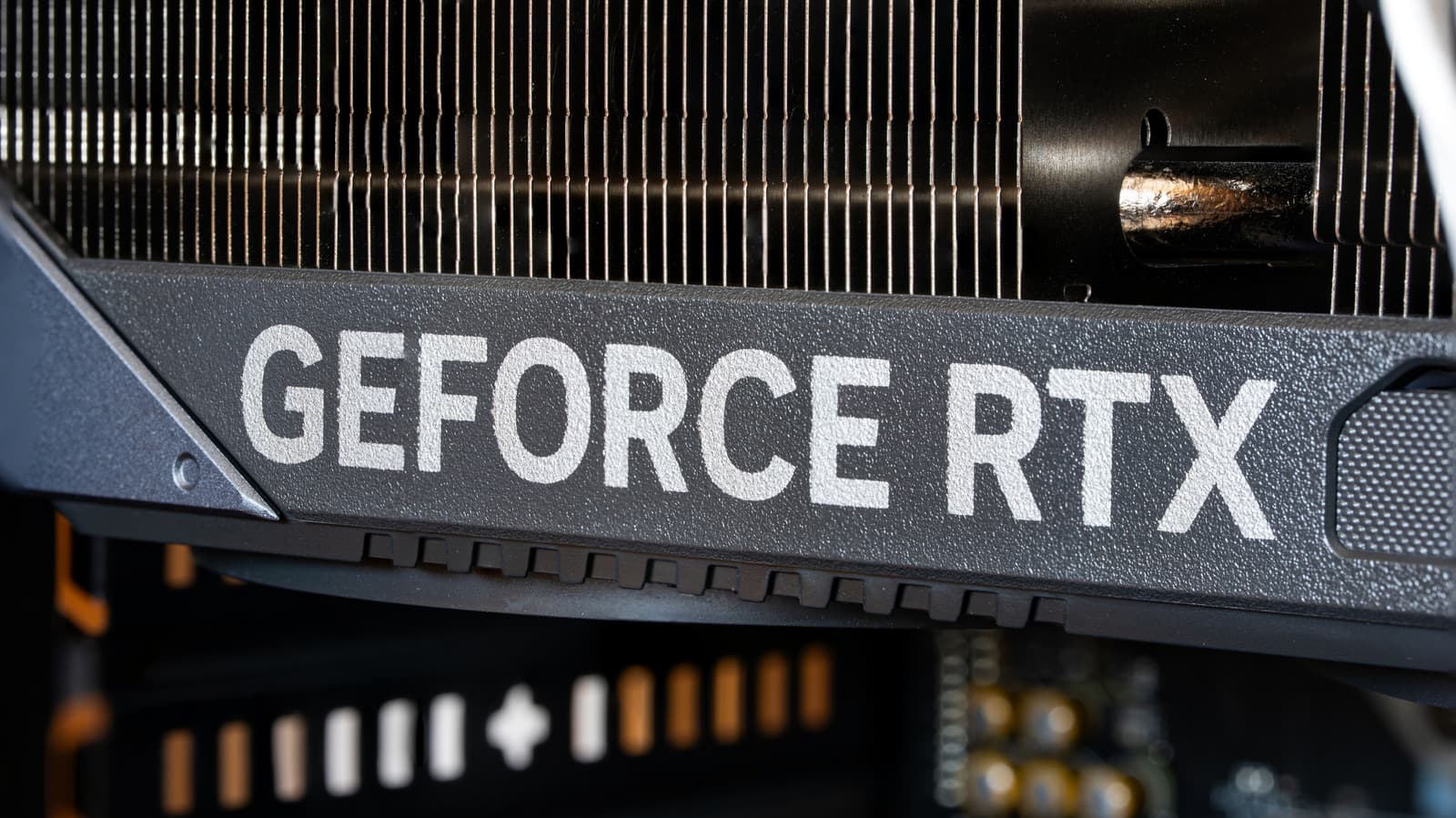
OPA WIRE, Sep 29 (OPA) — The global graphics card market is currently undergoing a seismic shift, driven by an insatiable demand for AI infrastructure. As data centers prioritize high-bandwidth memory, the supply chain for consumer-grade GDDR memory has tightened significantly. This scarcity is not merely a logistical hurdle; it is a direct catalyst for rising hardware costs, forcing gamers and professionals alike to reconsider their upgrade strategies in an environment where memory capacity has become the primary bottleneck for modern computing performance.
Recent empirical testing highlights the stark performance divide between memory capacities. Comparative benchmarks on cards like the RTX 5060 Ti reveal that 8GB models suffer from significant performance degradation at higher settings, with frame rates dropping by up to 16 percent compared to their 16GB counterparts. In demanding titles, the lack of VRAM forces the system to swap assets over the PCIe bus, leading to stuttering, texture pop-in, and, in extreme cases, total application failure. These metrics underscore that VRAM is no longer a secondary specification but the cornerstone of visual fidelity.
Historically, 8GB of VRAM was the industry standard for 1080p gaming. However, the landscape has shifted as developers optimize for higher-capacity hardware. While 8GB remains functional for entry-level gaming, 12GB is increasingly viewed as the baseline for 1440p, and 16GB has emerged as the mandatory threshold for 4K resolution and long-term future-proofing. The industry's pivot toward these higher capacities reflects the increasing complexity of game assets and the integration of advanced ray-tracing technologies.
Market dynamics are further complicated by manufacturers prioritizing AI-centric hardware over consumer components. With major players like Samsung, SK hynix, and Micron focusing on high-margin data center contracts, the supply of GDDR6 and GDDR7 for graphics cards has dwindled. Furthermore, GPU manufacturers are adjusting production lines to favor lower-memory configurations to maintain volume, effectively passing the cost of memory scarcity directly to the consumer through both price hikes and reduced availability of high-capacity budget cards.
Given the trajectory of price increases and the persistent memory shortage, the current market climate suggests that waiting for a price correction may be a strategic error. Investing in a 16GB card today offers a hedge against future inflation and ensures hardware longevity for the next five years. As the industry continues to align with AI-driven demand, the window for securing high-capacity hardware at current price points is rapidly closing, making immediate acquisition the most prudent path for long-term value.
Subscribe to the Global Briefing
Receive our flagship executive dispatch every morning. Essential geopolitical analysis, financial benchmarks, and breaking world events delivered to your inbox.
Mohammad Karamali
Verified Wire ContributorSenior correspondent covering geopolitics, regional developments, and strategic international affairs for OPA News (Optimum Public Affairs).
Related Stories & Follow-ups
Editorial Wire Technology
FEMA Alert Test Sparks Panic Amid Widespread Tech and Banking Outages
 Technology
Global Microsoft Outage Disrupts Critical Services Worldwide as 48-Hour Recovery Begins
 Technology
Nvidia Faces Global Crisis Following Shock Resignation of CEO Jensen Huang
Reader Discussion
Leave a Comment
0 Comments
Owner
Editorial Oversight & Machine-Assisted Reporting
Human-in-the-Loop VerifiedEditorial Oversight & Machine-Assisted Reporting: This dispatch was synthesized and localized via OPA automated intelligence under continuous human editorial supervision.
Wire Source
This report was synthesized from Engadget under journalistic fair use.