
The 2026 Smartwatch Landscape: Balancing Connectivity, Health, and Utility
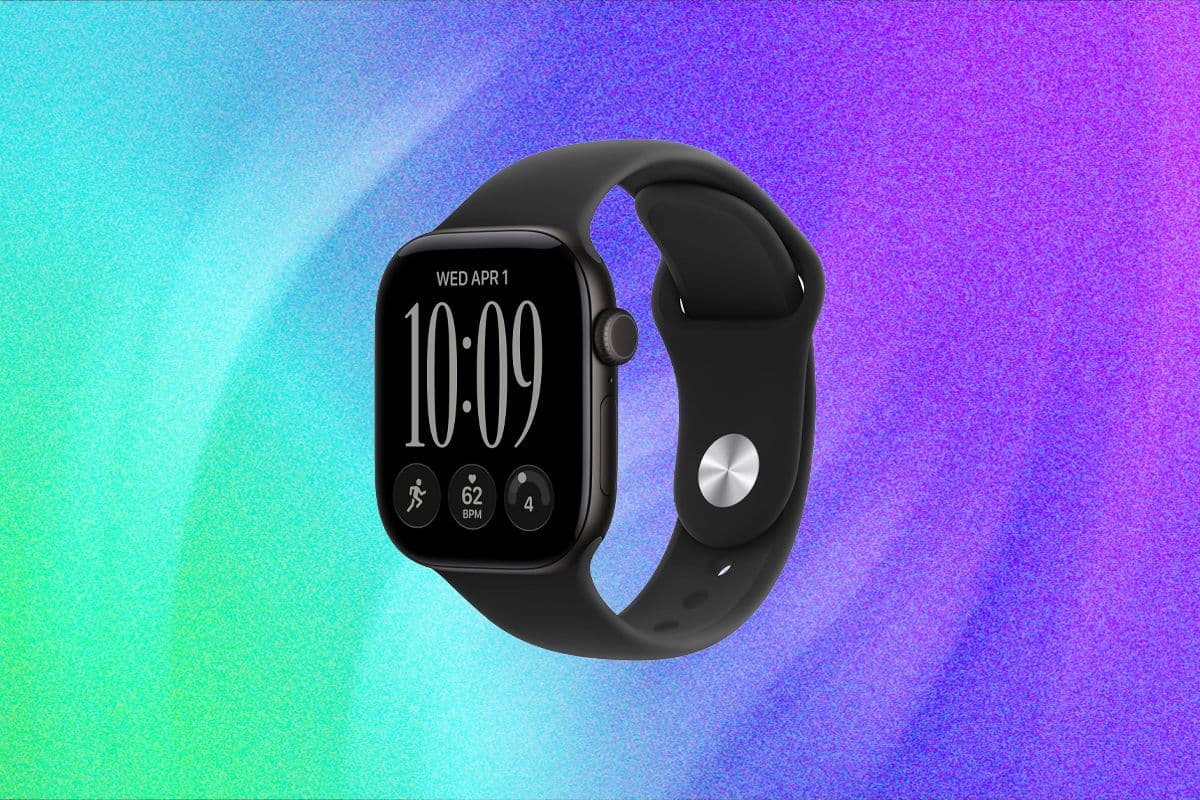
OPA WIRE, Sep 29 (OPA) — As we navigate 2026, the smartwatch market has reached a point of maturity where the focus has shifted from mere novelty to essential utility. Modern wearables are no longer just notification mirrors for smartphones; they have evolved into sophisticated health-monitoring hubs and fitness companions that allow users to maintain connectivity while reducing screen time. Despite rising component costs and supply chain pressures driving prices upward, the current generation of devices offers unprecedented accuracy in biometric tracking and seamless integration with mobile ecosystems.
Market leaders have solidified their positions through iterative but meaningful hardware improvements. The Apple Watch Series 12, priced at $399, remains the gold standard for iPhone users, bolstered by the S11 chip and a new Health Sensing System that tracks heart rate variability with increased frequency. Meanwhile, the $400 Google Pixel Watch 5 leads the Android segment, offering a refined Wear OS experience, repairable hardware, and advanced AI-driven features through Gemini, which now supports offline task execution for fitness enthusiasts.
Historically, the wearable sector was defined by rapid, often experimental changes. Today, the industry is characterized by consolidation. Manufacturers are prioritizing battery efficiency, sensor precision, and ecosystem-specific features like satellite messaging and advanced sleep apnea detection. While budget-friendly alternatives like the CMF Watch 3 Pro are successfully capturing the entry-level market, premium devices are increasingly marketed as indispensable health tools rather than mere fashion accessories or tech toys.
However, the industry faces significant hurdles, particularly regarding privacy and feature fragmentation. The integration of generative AI and microphone-based audio intelligence raises valid concerns about user data security. Furthermore, the practice of gating advanced health features—such as ECG and blood pressure monitoring—behind proprietary smartphone ecosystems creates a 'walled garden' effect that limits consumer choice and complicates the user experience for those who prefer cross-platform compatibility.
Looking ahead, the trajectory for smartwatches points toward deeper integration with medical-grade health monitoring and autonomous AI assistance. As battery technology continues to lag behind processing power, the next frontier will likely be energy optimization that allows for multi-day usage without compromising performance. For the average consumer, the choice in 2026 is less about finding the 'smartest' device and more about identifying the ecosystem that best aligns with their specific fitness goals and privacy requirements.
Subscribe to the Global Briefing
Receive our flagship executive dispatch every morning. Essential geopolitical analysis, financial benchmarks, and breaking world events delivered to your inbox.
Mohammad Karamali
Verified Wire ContributorSenior correspondent covering geopolitics, regional developments, and strategic international affairs for OPA News (Optimum Public Affairs).
Related Stories & Follow-ups
Editorial Wire Technology
Global Microsoft Outage Disrupts Critical Services Worldwide as 48-Hour Recovery Begins
 Technology
Nvidia Faces Global Crisis Following Shock Resignation of CEO Jensen Huang
 Technology
Nvidia CEO Jensen Huang Ousted Following Multiple Affairs and Security Scandals
Reader Discussion
Leave a Comment
0 Comments
Owner
Editorial Oversight & Machine-Assisted Reporting
Human-in-the-Loop VerifiedEditorial Oversight & Machine-Assisted Reporting: This dispatch was synthesized and localized via OPA automated intelligence under continuous human editorial supervision.
Wire Source
This report was synthesized from Wired under journalistic fair use.