
Connected Cars Exposed: New Research Reveals Extensive Data Harvesting Practices
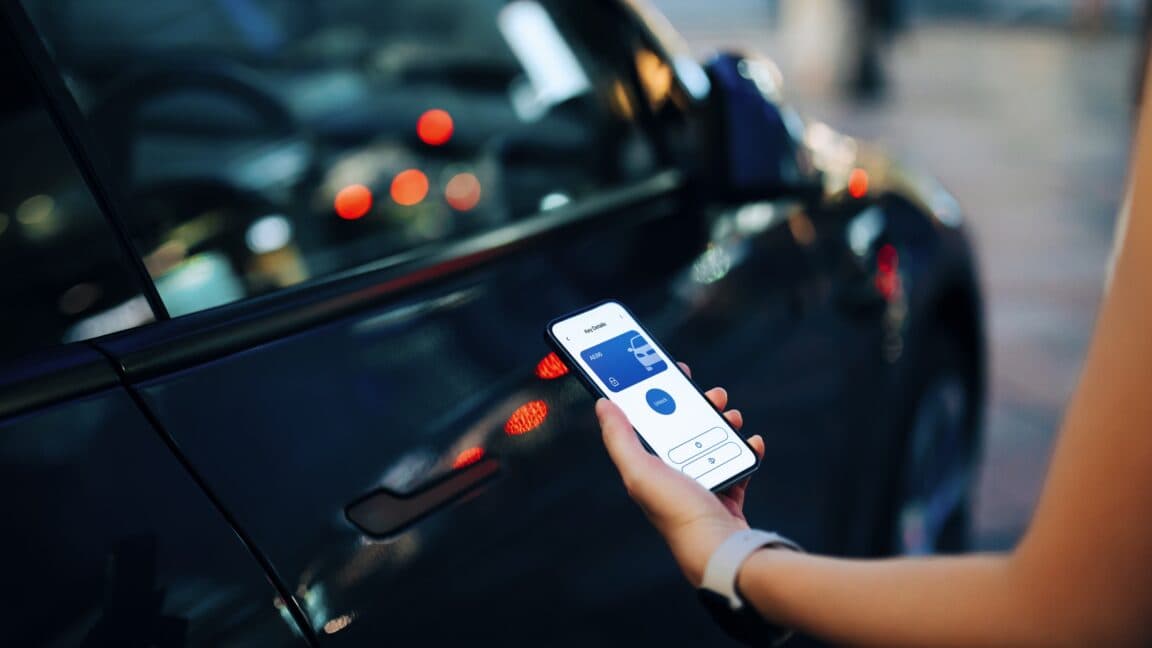
OPA WIRE, Sep 29 (OPA) — A groundbreaking study conducted by Northeastern University and Consumer Reports has confirmed that modern connected vehicles function as sophisticated data-harvesting platforms, frequently transmitting sensitive user information to third-party advertisers and Big Tech entities. By analyzing 21 vehicles from 19 major manufacturers, researchers moved beyond theoretical privacy policy reviews to empirically document the digital footprint of connected automobiles in real-world scenarios, including idling and active driving.
The findings quantify a pervasive culture of data extraction, with some manufacturers demonstrating significantly higher levels of transmission than others. While all tested vehicles communicated with their respective Original Equipment Manufacturers (OEMs), the scope of external data sharing varied wildly. Tesla’s Model 3 emerged as the most prolific data transmitter, contacting 34 distinct advertising and tracking domains alongside 37 domains linked to infotainment applications, far exceeding the baseline requirements for vehicle operation.
This research builds upon the 2023 Mozilla Foundation report, which famously labeled automobiles as the worst product category for consumer privacy. While Mozilla’s assessment relied on legal documentation, this study utilized technical network tracing to observe DNS traffic, TLS handshakes, and transmission volumes. Even when researchers attempted to isolate vehicles in Faraday tents to block cellular signals, the cars demonstrated persistent efforts to maintain connectivity, highlighting the aggressive nature of modern vehicle telemetry systems.
The ramifications for consumer privacy are profound, as the integration of Android Automotive OS and other third-party software has turned the vehicle cabin into a hub for behavioral profiling. The presence of domains like doubleclick.net and googlesyndication.com within automotive network traffic confirms that manufacturers are prioritizing advertising revenue over user confidentiality. This practice transforms the driving experience into a continuous stream of monetized personal data, often without the explicit or informed consent of the vehicle owner.
Looking ahead, this study serves as a critical wake-up call for regulators and consumers alike. As the automotive industry shifts toward software-defined vehicles, the pressure to monetize user data will likely intensify. Without stringent legislative frameworks that mandate data minimization and transparency, the connected car will remain a significant vulnerability in the personal privacy landscape, necessitating a fundamental shift in how automakers handle consumer information.
Subscribe to the Global Briefing
Receive our flagship executive dispatch every morning. Essential geopolitical analysis, financial benchmarks, and breaking world events delivered to your inbox.
Mohammad Karamali
Verified Wire ContributorSenior correspondent covering geopolitics, regional developments, and strategic international affairs for OPA News (Optimum Public Affairs).
Related Stories & Follow-ups
Editorial Wire Technology
FEMA Alert Test Sparks Panic Amid Widespread Tech and Banking Outages
 Technology
Global Microsoft Outage Disrupts Critical Services Worldwide as 48-Hour Recovery Begins
 Technology
Nvidia Faces Global Crisis Following Shock Resignation of CEO Jensen Huang
Reader Discussion
Leave a Comment
0 Comments
Owner
Editorial Oversight & Machine-Assisted Reporting
Human-in-the-Loop VerifiedEditorial Oversight & Machine-Assisted Reporting: This dispatch was synthesized and localized via OPA automated intelligence under continuous human editorial supervision.
Wire Source
This report was synthesized from Ars Technica under journalistic fair use.