
A local network of implants uses your body as the wiring
Key Takeaways
- SWANS uses ionic conduction through body tissue, extending implant battery life by over 15 times compared to Bluetooth.
- The system allows for multi-device coordination by using specific voltage thresholds, enabling precise control of implants.
- Testing in rats showed successful signal transmission through fat, muscle, and bone without causing adverse physiological effects.
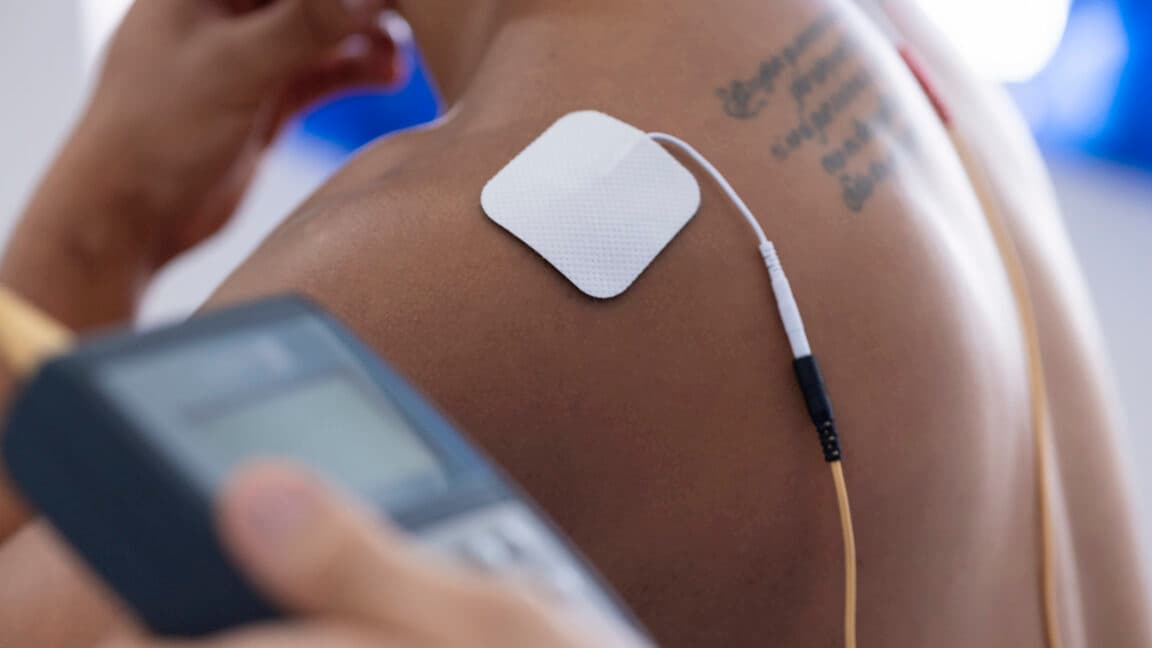
OPA WIRE, Oct 1 (OPA) — Researchers at Georgia Tech have pioneered a groundbreaking networking system called SWANS (Smart Wireless Autonomous Networking System) that utilizes human body tissue to transmit electrical signals between medical implants. Unlike traditional methods that rely on radio waves or Bluetooth, which suffer from significant signal attenuation and high power consumption, this new approach mimics the body's own nervous system by using ionic conduction. By leveraging the natural conductivity of human tissue, the system allows for seamless communication between various implanted devices, potentially revolutionizing how we manage chronic health conditions through interconnected medical technology.
The technical design of SWANS centers on a wearable hub that emits voltage pulses, which are then received by tiny, syringe-injectable implants. According to lead engineer Alex Abramson, this method is vastly more efficient than Bluetooth, extending battery life by over 15 times. The system operates by creating a brief electric field that spreads through the body; individual implants are programmed to respond only to specific pulse thresholds, ensuring that only the intended device reacts. This mechanism is akin to a person in a crowded room responding only when their specific name is called, allowing for precise control within a complex network of internal sensors and actuators.
The concept of using the body as a communication medium is not entirely new, as seen in FDA-cleared products like Abilify MyCite, which uses ionic conduction to confirm pill ingestion. However, previous systems were largely limited to simple, point-to-point links. The Georgia Tech team has significantly advanced this field by creating a scalable, multi-device network. Their research, published in Science, demonstrates that this technology can function across diverse tissue types, including fat, muscle, and bone, effectively overcoming the physical barriers that have historically hindered the development of sophisticated, multi-implant therapeutic ecosystems.
Practical testing has yielded impressive results, with the team successfully demonstrating the system in chicken breasts, pork bellies, and living rats. In one notable experiment, sensors on a rat's forelimb triggered a signal that caused a corresponding twitch in the hind leg, proving the system's capability for complex, real-time coordination. Furthermore, the researchers noted that the electrical pulses used are well within the safety limits established by existing pacemakers and neurostimulators. Even after two months of testing, the implants showed no significant adverse effects, such as excessive scar tissue or damage to surrounding nerves or cardiac function.
Looking ahead, the potential applications for SWANS are vast, particularly in the integration of neurostimulation and drug delivery. Currently, these therapies often operate in isolation, but SWANS could enable a unified network where a drug pump responds dynamically to data from a neurostimulator. While the system is not designed for high-bandwidth data transfer, its ability to pass critical health information between body parts makes it an ideal candidate for future therapeutic platforms. As the team moves toward larger animal studies and eventually human trials, the prospect of a fully integrated, body-wide therapeutic network appears increasingly attainable.
Subscribe to the Global Briefing
Receive our flagship executive dispatch every morning. Essential geopolitical analysis, financial benchmarks, and breaking world events delivered to your inbox.
Mohammad Karamali
Verified Wire ContributorSenior correspondent covering geopolitics, regional developments, and strategic international affairs for OPA News (Optimum Public Affairs).
Related Stories & Follow-ups
Editorial Wire Technology
FEMA Alert Test Sparks Panic Amid Widespread Tech and Banking Outages
 Technology
Global Microsoft Outage Disrupts Critical Services Worldwide as 48-Hour Recovery Begins
 Technology
Nvidia Faces Global Crisis Following Shock Resignation of CEO Jensen Huang
Reader Discussion
Leave a Comment
0 Comments
Owner
Editorial Oversight & Machine-Assisted Reporting
Human-in-the-Loop VerifiedEditorial Oversight & Machine-Assisted Reporting: This dispatch was synthesized and localized via OPA automated intelligence under continuous human editorial supervision.
Wire Source
This report was synthesized from Ars Technica under journalistic fair use.