
Best Smart Cat Trackers of 2026: Fi Mini vs. Tractive
Key Takeaways
- Fi Mini offers superior battery life (up to 2 weeks) and convenient USB-C charging.
- Tractive Cat 6 Mini provides advanced AI-driven health metrics, including heart and respiratory rates.
- Approximately 10 million pets go missing annually in the US, highlighting the utility of satellite-based GPS tracking.
OPA WIRE, Oct 3 (OPA) — Smart cat trackers have evolved into essential wearable health-monitoring devices, functioning much like human fitness trackers to provide peace of mind for pet owners. Beyond simple GPS location tracking, devices such as the Fi Mini and the Tractive series monitor vital wellness metrics, including activity levels and sleep patterns. These collars serve as early warning systems, alerting owners to subtle changes in behavior that could indicate underlying health issues, effectively bridging the gap between location security and proactive veterinary care.
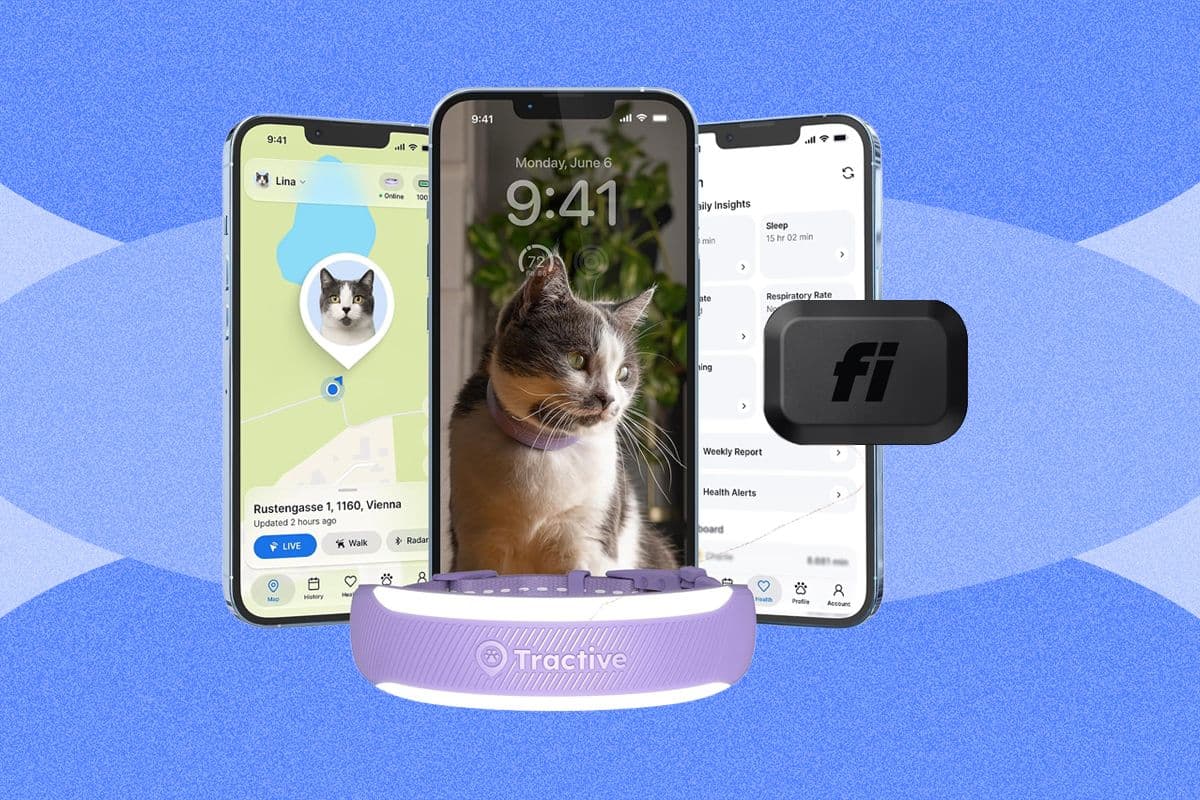
During extensive testing, the Fi Mini ($99) and Tractive Cat 6 Mini ($77) emerged as top contenders, each offering distinct advantages based on user priorities. The Fi Mini excels in battery longevity, lasting up to two weeks on a single charge, while the Tractive Cat 6 Mini prioritizes advanced health analytics, including heart and respiratory rate monitoring. Official data indicates that Tractive users benefit from AI-powered weekly summaries, while Fi users enjoy a more compact form factor and convenient USB-C charging capabilities.
Historically, pet tracking relied on limited Bluetooth technology, which proved unreliable for outdoor cats. Modern trackers utilize satellite-based GPS, allowing for the creation of virtual 'safe zones' and historical heat maps that visualize a pet's roaming habits. This technological shift is critical, as the American Veterinary Medical Association reports that approximately 10 million cats and dogs go missing annually in the United States, making reliable, real-time location monitoring a significant advancement in pet safety.
The ramifications of adopting these devices are substantial for both pet owners and veterinarians. Owners gain actionable insights into their pets' daily routines, while the ability to share health records and activity trends with clinics can lead to more accurate diagnoses. However, users must be aware of potential limitations, such as false alerts in small living spaces, the necessity of paid subscription plans for full functionality, and the variability of GPS signal strength in rural or densely vegetated environments.
Looking ahead, the integration of artificial intelligence into pet wearables is set to redefine animal healthcare. As these devices become more sophisticated, they will likely provide even deeper insights into feline physiology, potentially predicting illnesses before clinical symptoms appear. While no tracker is a perfect substitute for vigilant pet ownership, the combination of GPS precision and health-tracking data represents a significant leap forward in the responsible care of domestic animals, ensuring that our feline companions remain safe and healthy.
Subscribe to the Global Briefing
Receive our flagship executive dispatch every morning. Essential geopolitical analysis, financial benchmarks, and breaking world events delivered to your inbox.
Mohammad Karamali
Verified Wire ContributorSenior correspondent covering geopolitics, regional developments, and strategic international affairs for OPA News (Optimum Public Affairs).
Related Stories & Follow-ups
Editorial Wire Technology
FEMA Alert Test Sparks Panic Amid Widespread Tech and Banking Outages
 Technology
Global Microsoft Outage Disrupts Critical Services Worldwide as 48-Hour Recovery Begins
 Technology
Nvidia Faces Global Crisis Following Shock Resignation of CEO Jensen Huang
Reader Discussion
Leave a Comment
0 Comments
Owner
Editorial Oversight & Machine-Assisted Reporting
Human-in-the-Loop VerifiedEditorial Oversight & Machine-Assisted Reporting: This dispatch was synthesized and localized via OPA automated intelligence under continuous human editorial supervision.
Wire Source
This report was synthesized from Wired under journalistic fair use.