
Essential Practices to Avoid Critical Damage on Modern Foldable Smartphones
Key Takeaways
- Closing foldable phones on foreign objects like keys or sand remains the leading cause of internal screen punctures.
- Ingress protection ranges from IP48 to IP68 across models, but resistance degrades over time with mechanical wear.
- Users must avoid removing factory display films or applying unauthorized screen protectors and styluses.
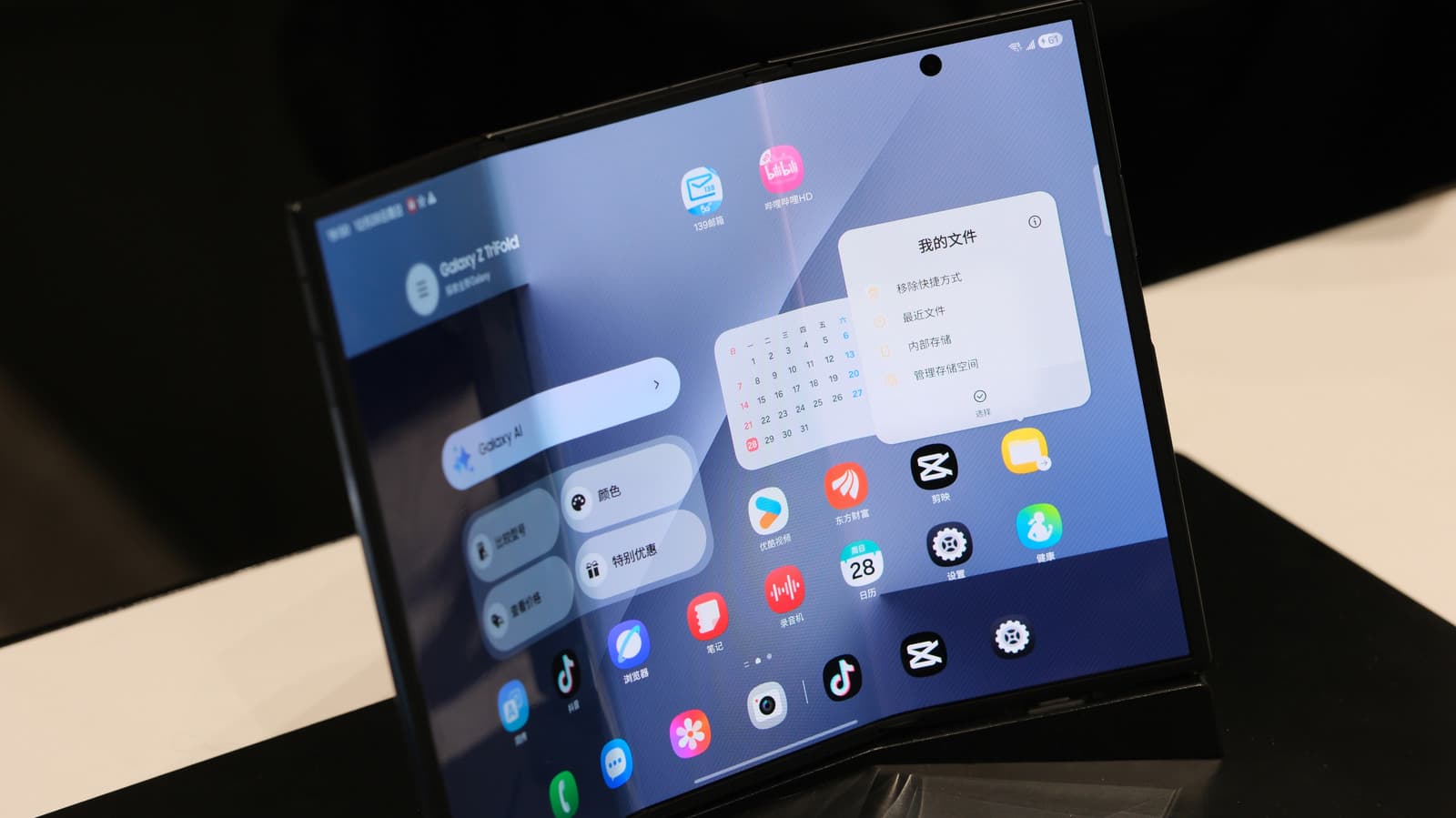
OPA WIRE, Oct 6 (OPA) — Foldable smartphones offer innovative form factors, but their flexible displays and mechanical hinges introduce specific vulnerabilities that standard slab phones do not face. The most frequent cause of catastrophic damage is trapping foreign objects inside the display when closing the device. Hardware manufacturers warn that everyday items such as coins, keys, or credit cards can easily scratch or puncture the soft inner panel, making careful inspection essential before folding.
Environmental protection varies significantly across modern foldable hardware. Devices such as the Galaxy Z Fold8 carry an IP48 ingress rating, offering protection against solid foreign objects 1 millimeter or larger, whereas high-end competitors like the iPhone Duo feature an IP68 dust-tight certification. In controlled laboratory testing, manufacturers frequently subject hinges to between 200,000 and 500,000 folds. However, hardware makers stress that these benchmarks do not guarantee real-world longevity, particularly because water and dust resistance naturally diminish over time as mechanical parts experience routine wear and tear.
Unlike traditional glass displays, the flexible internal screens require deliberate handling to avoid localized pressure damage. Users should refrain from pressing fingernails against the screen to remove debris, and they must avoid removing factory-applied protective films that resemble shipping wrap. Additionally, using third-party screen protectors or unapproved styluses can apply uneven pressure and compromise the structural integrity of the panel. Maintenance should be limited strictly to cleaning with a soft microfiber cloth.
Ultimately, preserving a foldable smartphone depends less on tracking daily hinge cycles and more on adopting consistent operational habits. Users working in dusty environments or coastal areas must remain vigilant, as sand and fine particulate matter pose serious risks to moving hinge assemblies. As foldable technology continues to mature, adherence to manufacturer maintenance guidelines remains the primary safeguard for ensuring device longevity.
Subscribe to the Global Briefing
Receive our flagship executive dispatch every morning. Essential geopolitical analysis, financial benchmarks, and breaking world events delivered to your inbox.
Mohammad Karamali
Verified Wire ContributorSenior correspondent covering geopolitics, regional developments, and strategic international affairs for OPA News (Optimum Public Affairs).
Related Stories & Follow-ups
Editorial Wire Technology
FEMA Alert Test Sparks Panic Amid Widespread Tech and Banking Outages
 Technology
Global Microsoft Outage Disrupts Critical Services Worldwide as 48-Hour Recovery Begins
 Technology
Nvidia Faces Global Crisis Following Shock Resignation of CEO Jensen Huang
Reader Discussion
Leave a Comment
0 Comments
Owner
Editorial Oversight & Machine-Assisted Reporting
Human-in-the-Loop VerifiedEditorial Oversight & Machine-Assisted Reporting: This dispatch was synthesized and localized via OPA automated intelligence under continuous human editorial supervision.
Wire Source
This report was synthesized from Engadget under journalistic fair use.