
Grant Sinclair's Ultra-Slim GamerCard Struggles With Emulation and Controls
Key Takeaways
- The GamerCard features a 60 fps screen but forces games into an unnatural aspect ratio on its square display.
- Emulation testing via RetroPie encountered severe input lag, unresponsiveness, and failed ROM loads.
- Developed by Grant Sinclair, the Raspberry Pi-based handheld functions as a programmable device rather than a polished console.
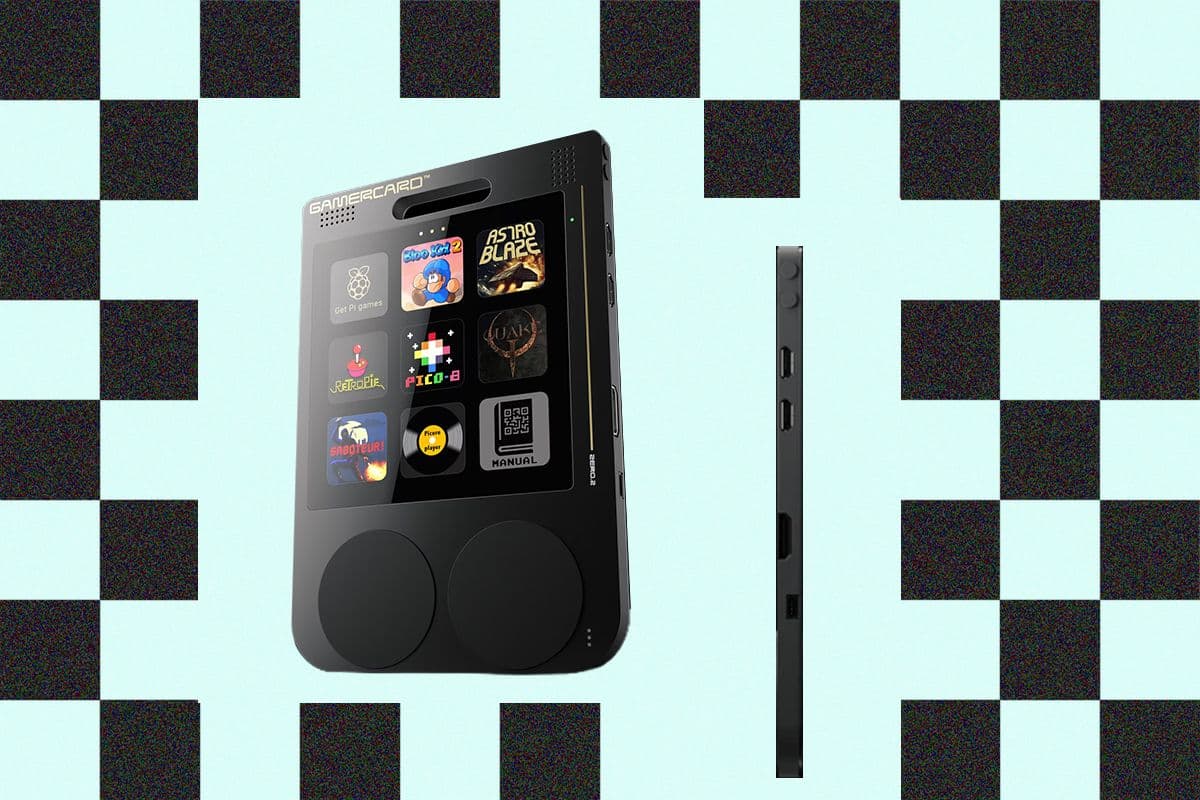
OPA WIRE, Oct 6 (OPA) — The ultra-slim GamerCard handheld console showcases an ambitious design concept hampered by severe technical shortcomings, leaving the device feeling more like an unfinished prototype than a commercial gaming product. While its bright, 60-frames-per-second display handles pixel art visually well, the system suffers from forced aspect-ratio stretching that distorts classic titles on its square screen without clear user controls to adjust them.
Performance evaluations revealed steep software hurdles across various retro gaming platforms. The device utilizes RetroPie, but compatibility tests showed it failed to load Game Boy ROMs entirely and produced unreliable save states during Super Nintendo Entertainment System (SNES) playback. Critical testing notes also highlighted that games suffer from "inconsistent control layouts, laggy inputs, and a general unresponsiveness," making both native and emulated gameplay deeply frustrating.
Built on a portable Raspberry Pi architecture, the device was developed by Grant Sinclair, nephew of legendary Sinclair ZX Spectrum inventor Clive Sinclair. Beyond gaming, the manufacturer promotes the credit-card-sized device as a versatile microcomputer that is "easily programmable" in MicroPython, C, C++, and Basic, while offering compatibility with the Pico-8 game development engine for makers and educators.
Despite its technical promise for hobbyists, the handheld currently suffers an identity crisis between casual retro gaming and do-it-yourself hardware tinkering. Industry observers conclude that unless a future iteration resolves its severe input lag, refines interface accessibility, and improves physical controls, the hardware will struggle to appeal to mainstream portable console enthusiasts beyond niche programmable device builders.
Subscribe to the Global Briefing
Receive our flagship executive dispatch every morning. Essential geopolitical analysis, financial benchmarks, and breaking world events delivered to your inbox.
Mohammad Karamali
Verified Wire ContributorSenior correspondent covering geopolitics, regional developments, and strategic international affairs for OPA News (Optimum Public Affairs).
Related Stories & Follow-ups
Editorial Wire Technology
Global Microsoft Outage Disrupts Critical Services Worldwide as 48-Hour Recovery Begins
 Technology
Nvidia Faces Global Crisis Following Shock Resignation of CEO Jensen Huang
 Technology
Nvidia CEO Jensen Huang Ousted Following Multiple Affairs and Security Scandals
Reader Discussion
Leave a Comment
0 Comments
Owner
Editorial Oversight & Machine-Assisted Reporting
Human-in-the-Loop VerifiedEditorial Oversight & Machine-Assisted Reporting: This dispatch was synthesized and localized via OPA automated intelligence under continuous human editorial supervision.
Wire Source
This report was synthesized from Wired under journalistic fair use.