
Bridge Neurotech Launches With $13.5 Million to Build Ultrasound Brain-Computer Interfaces
Key Takeaways
- Bridge Neurotech secured $13.5 million from investors, including General Catalyst, to advance noninvasive neural wearables.
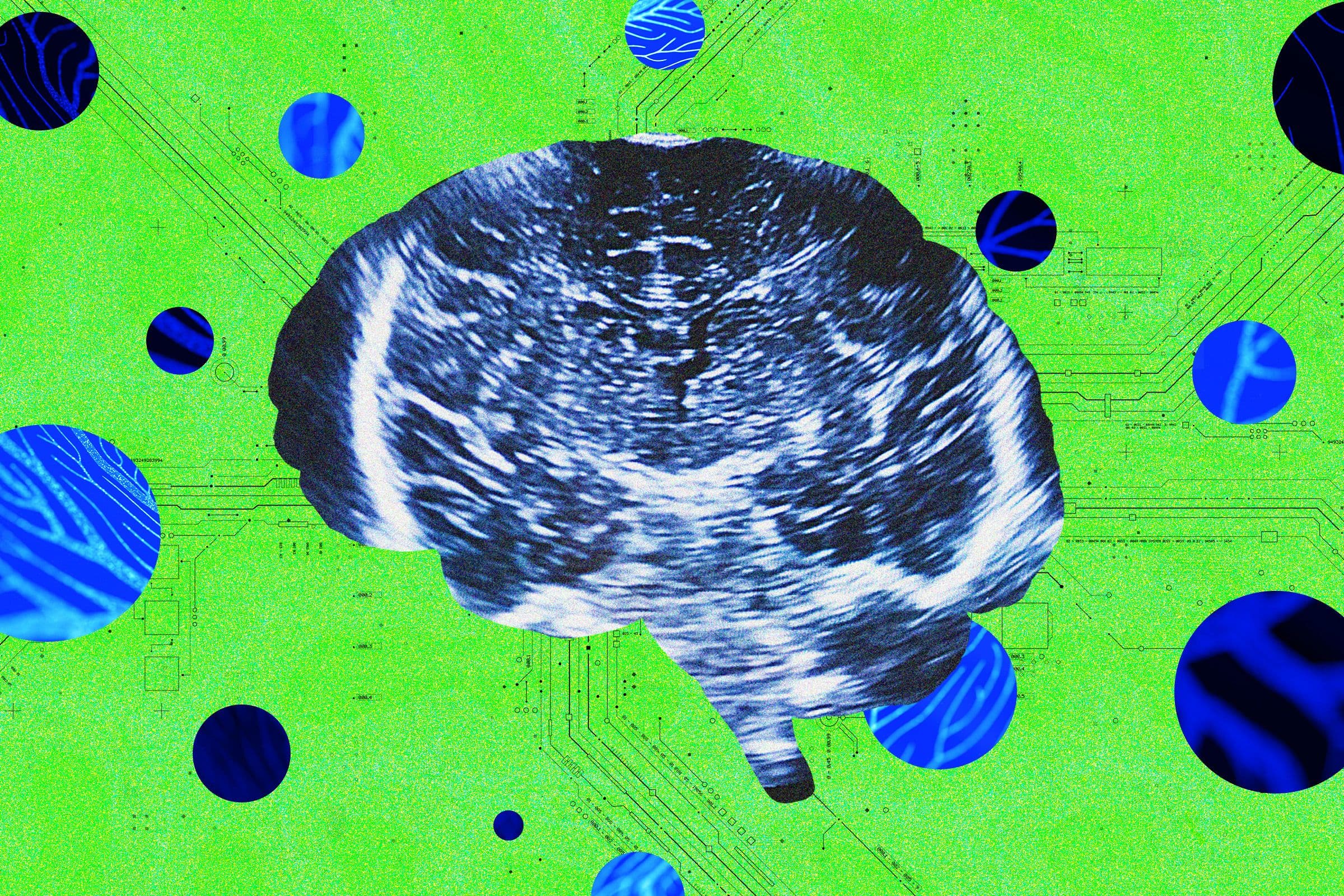
- The technology utilizes ultrasound to measure blood flow changes linked to brain activity through the skull's temporal window.
- Predictive AI will be deployed to overcome the multi-second latency inherent in hemodynamic neural tracking.
Bridge Neurotech has officially launched with $13.5 million in funding to develop a noninvasive, ultrasound-based brain-computer interface, setting up direct competition with Sam Altman-backed Merge Labs. The financing round includes backing from venture capital firm General Catalyst. Founded by Will Biederman, who previously developed early chip technology licensed by Neuralink, the startup seeks to bypass the surgical risks associated with traditional neural implants by utilizing sound waves instead of embedded electrodes.
Unlike invasive systems developed by Elon Musk's Neuralink, Synchron, and Paradromics that require drilling into the skull, Bridge aims to deliver a wearable alternative resembling headphones. "It fundamentally comes down to a difference in vision," Biederman stated regarding his decision to pursue noninvasive methods. Emphasizing the limits of current neurosurgery trials, which have reached only around 100 participants worldwide, Biederman noted, "The risks of neurosurgery really cannot be minimized or dismissed... Nobody really wants a hole in their head."
Both Bridge and Merge Labs trace their origins to Arbor Neuroscience, previously known as Forest Neurotech, a nonprofit established in 2023 to advance ultrasound neural imaging. Functional ultrasound measures blood flow changes that mirror neural activity by bouncing high-frequency sound waves off red blood cells. However, experts highlight that hemodynamic changes lag behind direct electrical impulses by several seconds, presenting latency challenges for rapid tasks such as real-time typing or motor control compared to direct brain implants.
To counter this physical delay, Bridge plans to incorporate predictive artificial intelligence models to anticipate user intentions and optimize interface response times. The company has initiated an observational clinical study in Redwood City, California, testing semiconductor-based probes developed with Butterfly Network on volunteers' temporal windows above the ear. While Bridge evaluates both medical and commercial consumer applications, the enterprise faces significant technical hurdles in penetrating thick skull bone without signal degradation.
Subscribe to the Global Briefing
Receive our flagship executive dispatch every morning. Essential geopolitical analysis, financial benchmarks, and breaking world events delivered to your inbox.
Related Stories & Follow-ups
Editorial Wire Technology
Anthropic Confirms Houthi Rebels Used Claude AI to Develop Advanced Missile Guidance Systems
 Technology
Tesla Unveils Roadster Featuring SpaceX-Derived Thruster Technology for Flight
 Technology
Elon Musk Unveils Flying Tesla Roadster Prototype with 2028 Production Target
Reader Discussion
Leave a Comment
0 Comments
Owner
Editorial Oversight & Machine-Assisted Reporting
Human-in-the-Loop VerifiedEditorial Oversight & Machine-Assisted Reporting: This dispatch was synthesized and localized via OPA automated intelligence under continuous human editorial supervision.
Wire Source
This report was synthesized from Wired under journalistic fair use.