
Googlebook Phone Integration Fails to Support Samsung Devices at Launch
Key Takeaways
- Googlebook 'Better Together' continuity features require Android 17, leaving Pixel devices as the only functional option at launch.
- Samsung, the world's largest Android OEM, does not yet support the feature, and older or budget models face prolonged software delays.
- Rival brands including Motorola, OnePlus, and Xiaomi currently face software lag or lack Googlebook hardware availability in their primary markets.
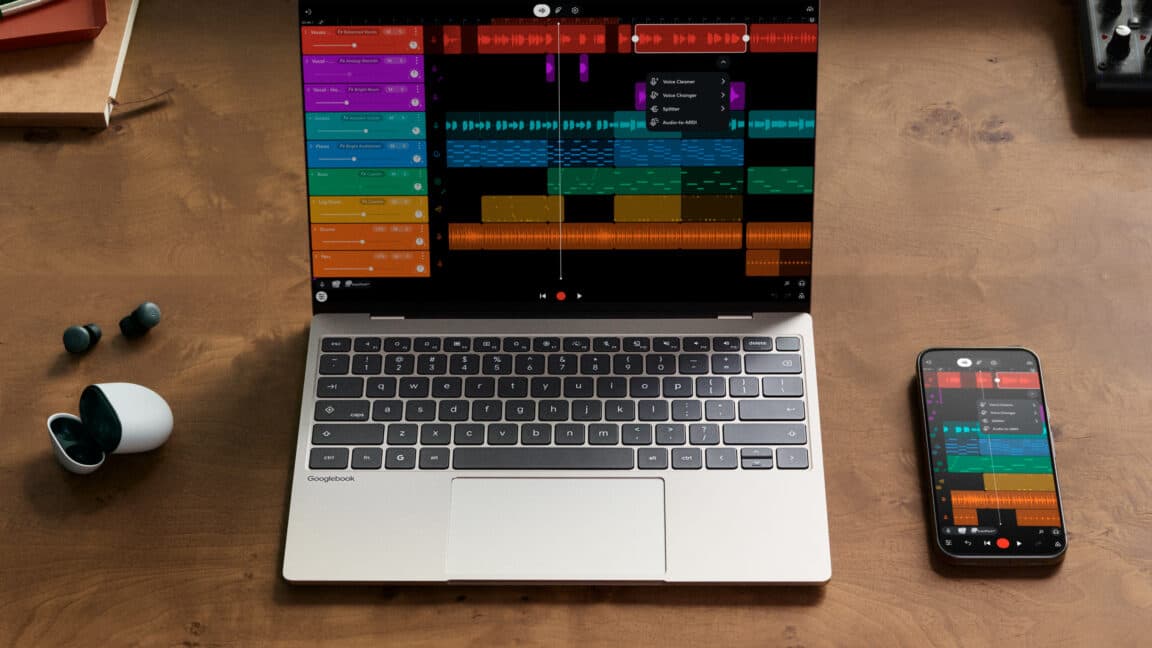
OPA WIRE, Oct 6 (OPA) — Google's refreshed laptop line, the Googlebook, has officially launched with limited cross-device interoperability, leaving Samsung smartphone users unable to use the flagship "Better Together" features out of the box. Despite Samsung being the dominant manufacturer in the Android ecosystem, the laptop platform's mobile integration suite currently functions exclusively with Google’s proprietary Pixel lineup at launch. The restriction stems from an unexpected hardware and software dependency that prevents millions of active Android users from accessing seamless desktop-mobile continuity.
The technical roadblock centers on the system's strict dependency on Android 17. Even when upcoming software patches roll out to Samsung hardware, only devices updated to Android 17 will support the connectivity framework. Users operating older or budget models face prolonged delays or complete exclusion from the required operating system update. Meanwhile, other original equipment manufacturers (OEMs) lag further behind; Motorola released its 2026 devices on Android 16 and awaits final updates, OnePlus remains in testing phases amid scaled-back regional operations, and Xiaomi's limited Android 17 rollout is hampered by Googlebooks not being sold in its core markets.
The incompatibility highlights a resurgence of fragmentation issues that previously plagued the Android ecosystem. Over recent development cycles, Google systematically relocated core platform capabilities into Google Play Services and modular system layers to prevent OS update delays from stalling consumer features. Consequently, modern Android iterations rarely gate major ecosystem functionalities behind base firmware versions. Googlebook connectivity stands as a notable exception, requiring native platform-level APIs exclusively built into version 17.
Launching without day-one support for Samsung poses an immediate strategic challenge for Google's renewed PC ambitions. Samsung represents the overwhelming majority of global Android hardware distribution, meaning early Googlebook adopters without Pixel devices will experience a significantly diminished ecosystem experience. The lack of upfront communication regarding these hardware limitations risks dampening early hardware sales, placing pressure on both Google and third-party partners to expedite software deployments.
Subscribe to the Global Briefing
Receive our flagship executive dispatch every morning. Essential geopolitical analysis, financial benchmarks, and breaking world events delivered to your inbox.
Mohammad Karamali
Verified Wire ContributorSenior correspondent covering geopolitics, regional developments, and strategic international affairs for OPA News (Optimum Public Affairs).
Related Stories & Follow-ups
Editorial Wire


Reader Discussion
Leave a Comment
0 Comments
Owner
Editorial Oversight & Machine-Assisted Reporting
Human-in-the-Loop VerifiedEditorial Oversight & Machine-Assisted Reporting: This dispatch was synthesized and localized via OPA automated intelligence under continuous human editorial supervision.
Wire Source
This report was synthesized from Ars Technica under journalistic fair use.