
AI Developer Challenges Adobe With Open Source Clones, Proclaiming 'Software Is Over'
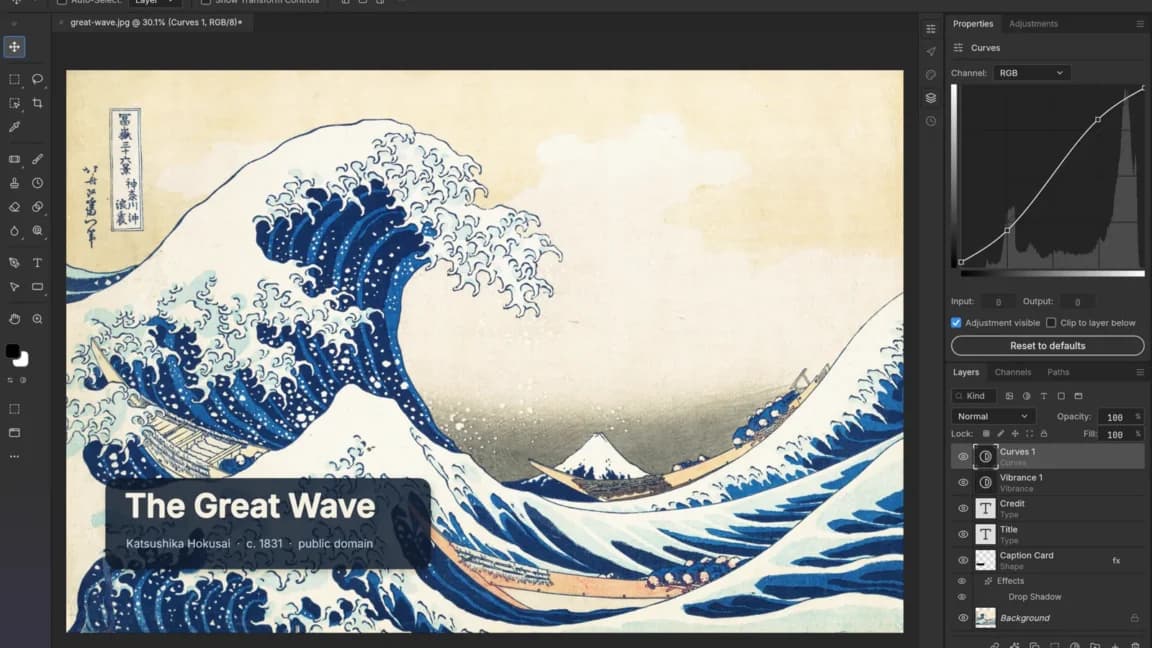
Key Takeaways
- A developer named Thomas has built open source clones of Adobe software using AI-assisted clean-room engineering under MIT and Apache licenses.
- The initiative is funded by selling token-based access to the Artcraft visual AI model rather than charging software subscriptions.
- While functional reverse engineering is legally permissible, mimicking Adobe’s design could lead to legal scrutiny regarding trade dress protections.
OPA WIRE, Oct 8 (OPA) — An independent software developer has launched an ambitious open source campaign targeting Adobe's creative suite, claiming that modern artificial intelligence makes traditional proprietary software obsolete. Developer Thomas, an experienced engineer in large-scale Rust projects, announced the release of clean-room, open source alternatives under permissive MIT and Apache licenses. Motivated by frustration over Adobe's subscription model and controversial cancellation fees, the project seeks to replicate commercial creative applications entirely through AI-accelerated programming workflows.
The initiative, dubbed ArtCraft, includes tools such as Filmcraft, which closely replicates the visual interface and capabilities of Adobe Premiere Pro. Thomas stated that he has utilized AI coding tools exclusively since February, claiming to have successfully replicated Adobe Photoshop's core feature set in a single development push. The open source alternatives will be financially sustained through commercial, token-based access to ArtCraft’s proprietary visual AI generation models and developer environment. "We have a team building popular software for filmmakers, so supporting this is fully funded," Thomas noted, ensuring the projects will not end up abandoned.
The venture represents the latest evolution in clean-room reverse engineering, where programmers replicate software functions without infringing on proprietary underlying code. Although functional replication is widely recognized as legally viable under fair use and software copyright precedents, the ArtCraft suite could encounter scrutiny regarding intellectual property and "trade dress" protections if its graphical user interfaces mimic Adobe's branded layouts too closely.
Looking forward, Thomas envisions an era where generative AI allows independent engineers to break tech monopolies, declaring on Hacker News that "software is over." The developer argued that AI enables teams to rapidly build performant, cross-platform clones to counter subscription lock-in and ad-driven ecosystems. "Now you can just create 1:1 functional equivalents, clean room, that are highly performant and cross-platform. Nothing is stopping you," Thomas wrote, framing the project as an early milestone in a broader effort to re-engineer core digital infrastructure.
Subscribe to the Global Briefing
Receive our flagship executive dispatch every morning. Essential geopolitical analysis, financial benchmarks, and breaking world events delivered to your inbox.
Mohammad Karamali
Verified Wire ContributorSenior correspondent covering geopolitics, regional developments, and strategic international affairs for OPA News (Optimum Public Affairs).
Related Stories & Follow-ups
Editorial Wire


Reader Discussion
Leave a Comment
0 Comments
Owner
Editorial Oversight & Machine-Assisted Reporting
Human-in-the-Loop VerifiedEditorial Oversight & Machine-Assisted Reporting: This dispatch was synthesized and localized via OPA automated intelligence under continuous human editorial supervision.
Wire Source
This report was synthesized from Ars Technica under journalistic fair use.