
The Reality of Blinding Security Cameras with Laser Pointers
Key Takeaways
- Permanent camera damage requires a high-powered laser held steady for approximately 10 seconds.
- Consumer laser pointers under 5mW are generally incapable of causing permanent sensor damage.
- Modern security systems use overlapping coverage and light-detection alerts to neutralize tampering attempts.
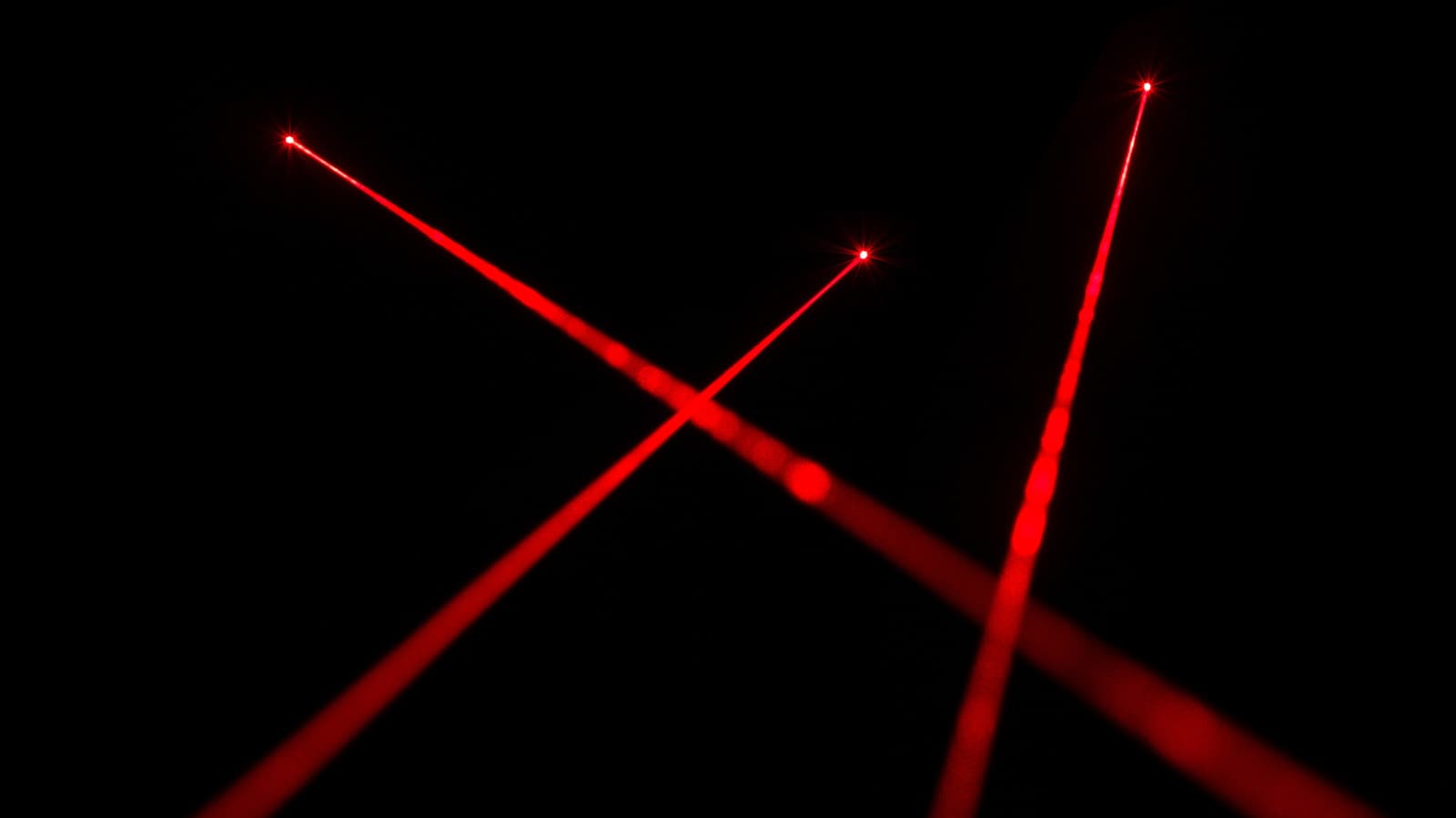
OPA WIRE, Oct 19 (OPA) — While pop culture often depicts criminals using laser pointers to disable security cameras, the reality of such an act is far more complex and difficult to execute. Security cameras utilize CMOS or CCD sensors designed to convert light into digital video, making them sensitive to high-intensity light sources. While a powerful laser can cause temporary glare or whiteout effects, causing permanent hardware damage requires a sustained, steady beam focused directly on the sensor for an extended period.
Technical analysis suggests that damaging a camera requires a high-powered laser, typically exceeding the 5mW limit set by the US Food and Drug Administration for consumer devices. Researchers at IPVM found that maintaining a steady aim on a camera lens from just five feet away is extremely difficult due to natural hand tremors. In one documented case, a man was arrested for damaging Church of Scientology surveillance equipment; while he caused over $2,000 in damage, the cameras successfully recorded his actions, leading to his capture.
Modern security technology is significantly more resilient than the equipment featured in older media. Experts, including the creators of 'Better Call Saul,' acknowledge that the 'laser-blinding' trope is largely a relic of 1960s-era camera technology. Today’s sensors and protective housing make it increasingly difficult for casual interference to render a system unusable. Furthermore, the legal repercussions of using high-powered lasers often far outweigh any potential tactical advantage gained by attempting to blind a lens.
To mitigate risks, security professionals recommend installing cameras at high elevations or steep angles, which makes precise aiming nearly impossible for an intruder. Implementing overlapping camera coverage ensures that if one unit is compromised, the area remains under surveillance. Additionally, modern security systems can be configured to send instant alerts when sensors detect sudden, intense light fluctuations, allowing for rapid response to potential tampering attempts. Ultimately, while lasers can cause localized dead pixels, they are rarely an effective tool for bypassing modern security infrastructure.
Subscribe to the Global Briefing
Receive our flagship executive dispatch every morning. Essential geopolitical analysis, financial benchmarks, and breaking world events delivered to your inbox.
Mohammad Karamali
Verified Wire ContributorSenior correspondent covering geopolitics, regional developments, and strategic international affairs for OPA News (Optimum Public Affairs).
Related Stories & Follow-ups
Editorial Wire Technology
Anthropic Confirms Houthi Rebels Used Claude AI to Develop Advanced Missile Guidance Systems
 Technology
OpenAI Confirms Development of Humanoid Robot Focused on Advanced AI Brain
 Technology
North Korea Tests New AI-Powered Submarine-Launched Torpedo System
Reader Discussion
Leave a Comment
0 Comments
Owner
Editorial Oversight & Machine-Assisted Reporting
Human-in-the-Loop VerifiedEditorial Oversight & Machine-Assisted Reporting: This dispatch was synthesized and localized via OPA automated intelligence under continuous human editorial supervision.
Wire Source
This report was synthesized from Engadget under journalistic fair use.