
Understanding the Trade-offs Between eSIM and Physical SIM Cards
Key Takeaways
- eSIM and physical SIM cards offer identical network performance and data speeds.
- eSIMs allow for multiple profiles and easier international travel management.
- Transferring eSIM service can be complex depending on carrier-specific requirements and device compatibility.
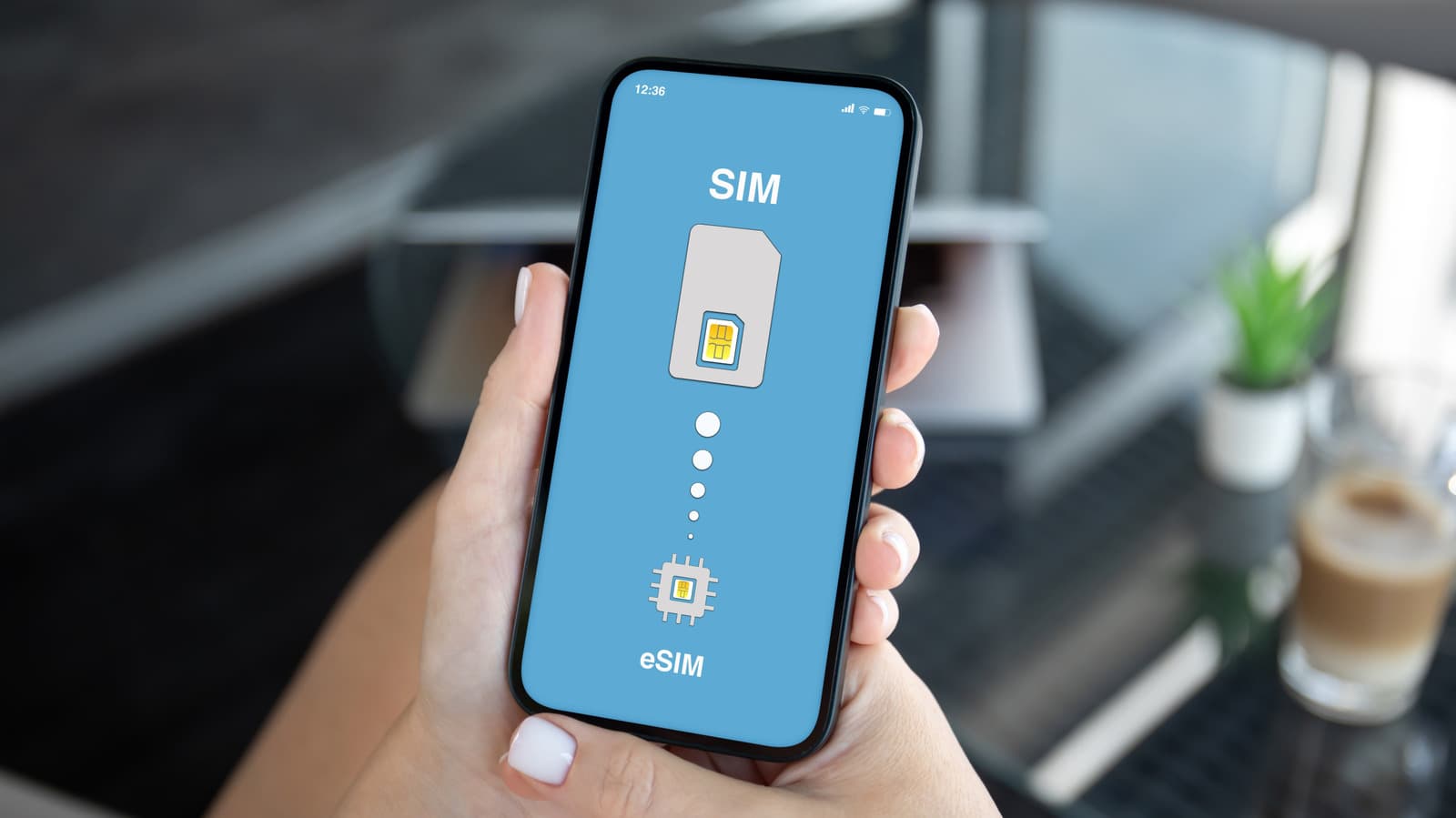
OPA WIRE, Oct 24 (OPA) — The primary distinction between eSIM and physical SIM cards lies in activation and portability rather than network quality. A physical SIM relies on a removable card inserted into a device tray, whereas an eSIM utilizes a built-in chip that downloads a carrier profile. Both methods identify a user's subscription to a mobile network, ensuring identical reception and data throughput.
eSIM technology allows users to store multiple profiles on a single device, facilitating easier management of work and personal lines. For international travelers, eSIMs enable the purchase of data plans in advance, bypassing the need to source physical cards upon arrival. Furthermore, removing the physical SIM slot allows manufacturers to reclaim internal space for larger batteries or additional hardware components.
Despite these advantages, eSIM adoption faces hurdles regarding device and carrier support. Transferring service between phones remains inconsistent; while some platforms support direct transfers, others require carrier-specific apps, QR codes, or customer service intervention. Additionally, eSIMs do not bypass carrier locks, meaning a device must be unlocked to switch providers. Users are advised to verify compatibility before purchasing travel plans or attempting to migrate existing numbers.
Critics of the transition often cite the simplicity of physical SIM cards, which remain compatible with a broader range of legacy hardware. While digital activation streamlines some processes, it does not eliminate risks such as account fraud or SIM-swap scams. Ultimately, users with dual-capable devices may choose to utilize both formats simultaneously, maintaining a physical SIM for primary connectivity while leveraging an eSIM for secondary data or travel needs.
Subscribe to the Global Briefing
Receive our flagship executive dispatch every morning. Essential geopolitical analysis, financial benchmarks, and breaking world events delivered to your inbox.
Mohammad Karamali
Verified Wire ContributorSenior correspondent covering geopolitics, regional developments, and strategic international affairs for OPA News (Optimum Public Affairs).
Related Stories & Follow-ups
Editorial Wire Technology
New Mexico Judge Fines Meta $25 Billion Over Deceptive Data Privacy Practices
 Technology
NSA Urges Immediate PHP Patching Following Discovery of Critical Vulnerabilities
 Technology
Global websites go offline as critical PHP software vulnerabilities exposed
Reader Discussion
Leave a Comment
0 Comments
Owner
Editorial Oversight & Machine-Assisted Reporting
Human-in-the-Loop VerifiedEditorial Oversight & Machine-Assisted Reporting: This dispatch was synthesized and localized via OPA automated intelligence under continuous human editorial supervision.
Wire Source
This report was synthesized from Engadget under journalistic fair use.