
Managing Smartphone Overheating During Android Auto and Apple CarPlay Use
Key Takeaways
- Wired connections are generally more thermally efficient than wireless Android Auto or CarPlay.
- Downloading maps and media for offline use reduces modem strain and heat generation.
- Mounting devices near air conditioning vents acts as a passive cooling system.
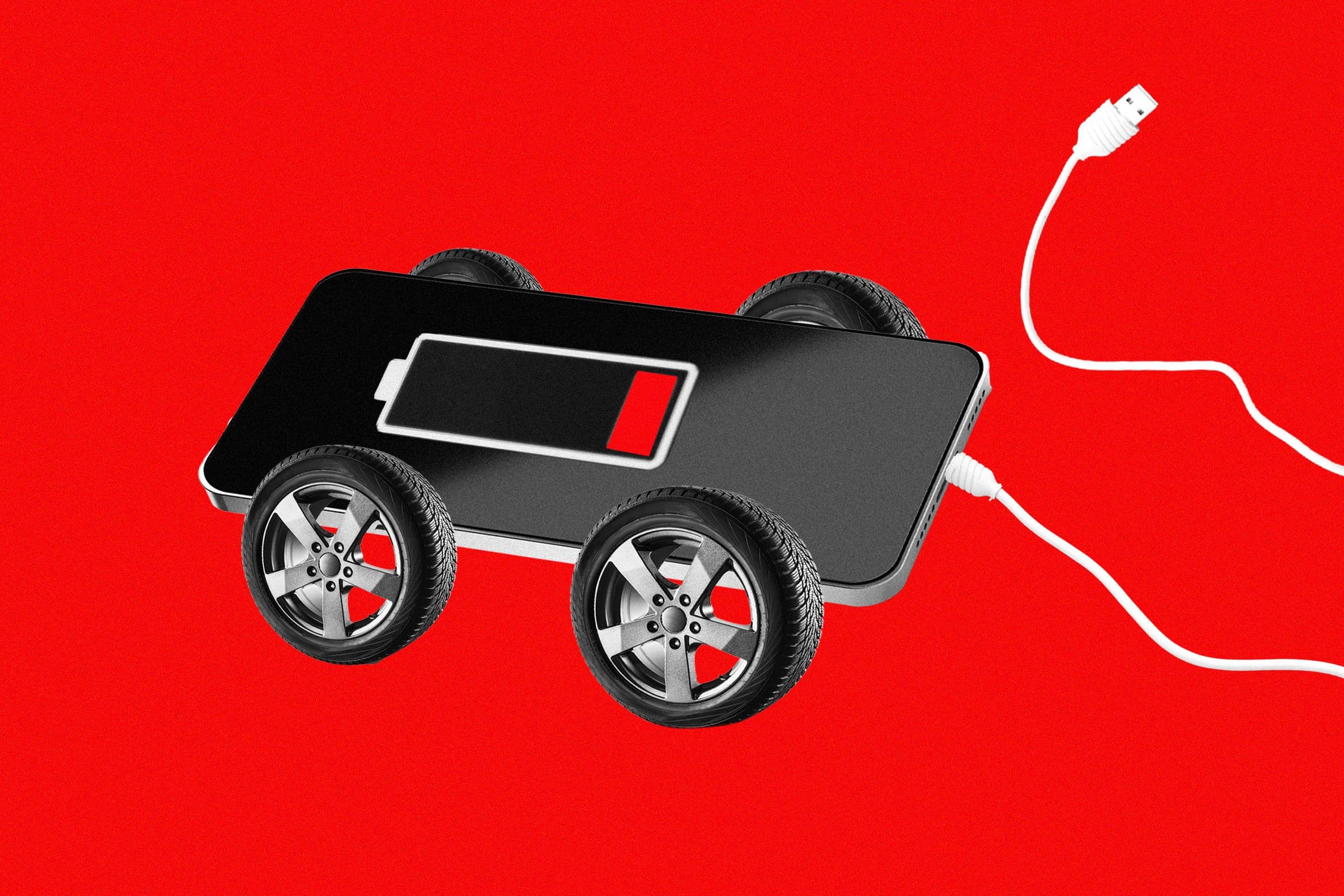
OPA WIRE, Oct 25 (OPA) — Android Auto and Apple CarPlay shift the processing burden from the vehicle's infotainment system to the mobile device. The handset must simultaneously manage cellular data, GPS navigation, and high-resolution display output, which often leads to significant thermal buildup and accelerated battery degradation. This stress is compounded when devices are used in wireless mode or placed in areas with restricted airflow.
Experts recommend prioritizing wired connections to reduce the processing load associated with wireless data transmission. While wired connections introduce charging heat, users can mitigate this by enabling battery charging limits found in iOS and Android system settings. Placing the device in a cool, shaded area or mounting it directly in front of an air conditioning vent provides an effective passive cooling solution during extended travel.
Reducing background tasks is another method to manage device temperature. Downloading maps, music, and podcasts for offline use prevents the modem from constantly searching for cellular signals, which is a primary driver of heat generation. Furthermore, removing protective cases during long drives can improve heat dissipation, as many materials trap thermal energy against the device chassis.
Drivers should remain vigilant regarding device placement to avoid direct sunlight, which can rapidly push internal temperatures beyond safe operating limits. By minimizing simultaneous high-demand tasks—such as wireless charging, streaming, and navigation—users can maintain optimal device health. Regular monitoring of the handset's temperature remains the most effective strategy for preventing hardware damage during vehicle use.
Subscribe to the Global Briefing
Receive our flagship executive dispatch every morning. Essential geopolitical analysis, financial benchmarks, and breaking world events delivered to your inbox.
Mohammad Karamali
Verified Wire ContributorSenior correspondent covering geopolitics, regional developments, and strategic international affairs for OPA News (Optimum Public Affairs).
Related Stories & Follow-ups
Editorial Wire Technology
New Mexico Judge Fines Meta $25 Billion Over Deceptive Data Privacy Practices
 Technology
NSA Urges Immediate PHP Patching Following Discovery of Critical Vulnerabilities
 Technology
Global websites go offline as critical PHP software vulnerabilities exposed
Reader Discussion
Leave a Comment
0 Comments
Owner
Editorial Oversight & Machine-Assisted Reporting
Human-in-the-Loop VerifiedEditorial Oversight & Machine-Assisted Reporting: This dispatch was synthesized and localized via OPA automated intelligence under continuous human editorial supervision.
Wire Source
This report was synthesized from Wired under journalistic fair use.