
SpaceX Starship Remains World's Tallest and Most Powerful Rocket
Key Takeaways
- The Starship launch vehicle stands 407 feet tall, making it the tallest rocket ever flown.
- The Super Heavy booster generates 18.1 million pounds-force of liftoff thrust using 33 Raptor engines.
- NASA's Artemis lunar missions require Starship to refuel in Earth orbit using a propellant depot and tanker spacecraft.
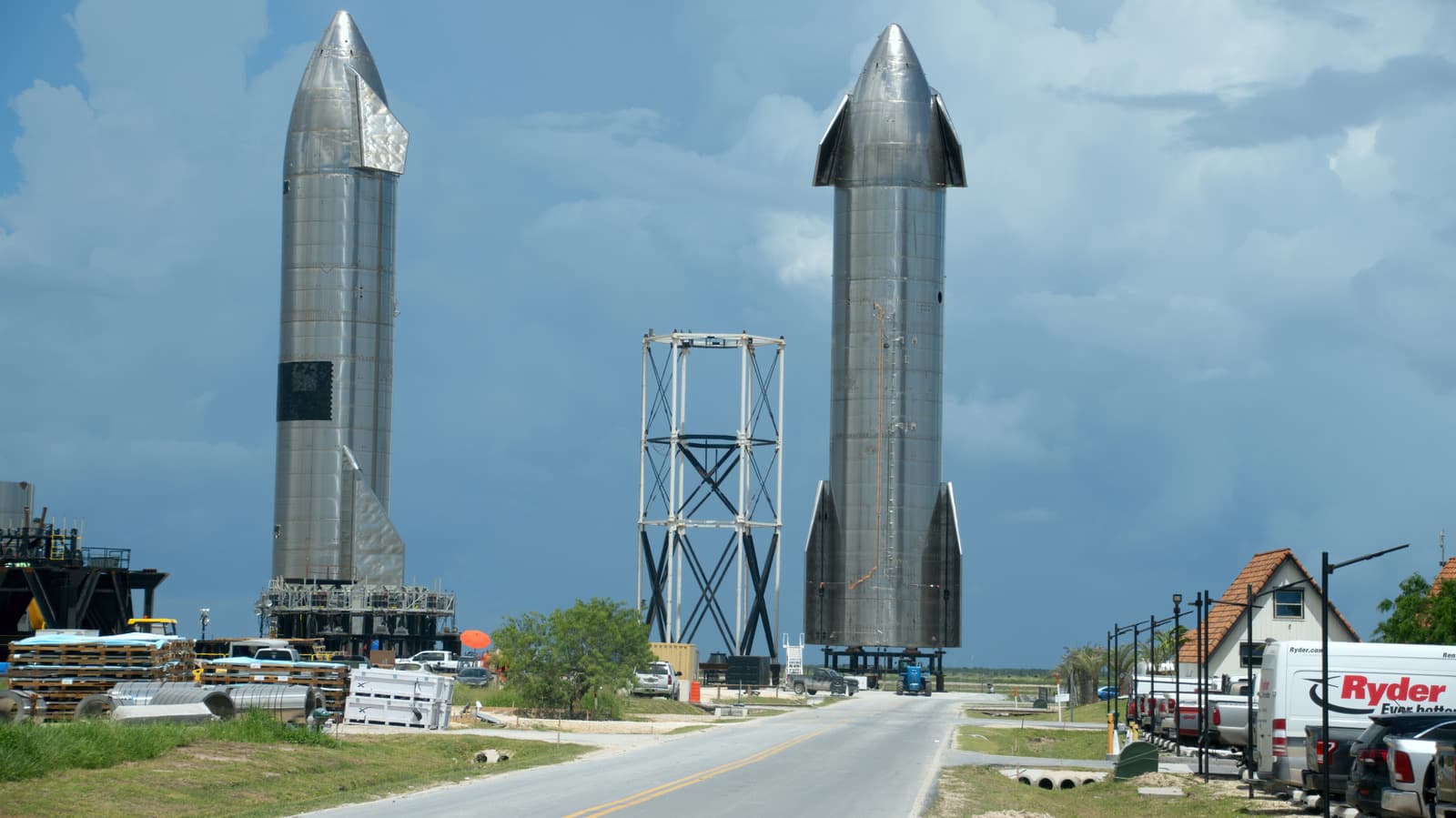
OPA WIRE, Nov 1 (OPA) — Standing at 407 feet, the fully stacked SpaceX Starship exceeds the height of the Statue of Liberty and the Hyperion tree. The vehicle consists of the 236.2-foot Super Heavy booster and the 170.6-foot Starship spacecraft. During the September 28, 2026, launch, the system generated 18.1 million pounds-force of liftoff thrust, surpassing the power of previous iterations and NASA’s Space Launch System, which produces between 8.8 million and 9.4 million pounds of thrust.
The Super Heavy booster utilizes 33 Raptor engines fueled by liquid methane and liquid oxygen to achieve its record-breaking thrust. Once the booster separates, the Starship upper stage engages three standard Raptor engines and three vacuum-optimized engines, providing an additional 3.5 million pounds-force of thrust. The entire architecture is engineered to manage a combined propellant capacity of 5,250 metric tons, requiring precise staging and engine efficiency to overcome the massive weight of the hardware.
SpaceX designed the system to facilitate deep-space transport, though current mission profiles for NASA’s Artemis program necessitate orbital refueling. Because the Starship lunar lander consumes a significant portion of its propellant to reach Earth orbit, the mission architecture relies on a specialized propellant depot and tanker Starships. These vessels must dock and transfer fuel before the lander can proceed to lunar orbit, presenting a complex technical requirement for cryogenic propellant storage in space.
The development of the Starship system represents a shift toward fully reusable launch vehicles capable of carrying both cargo and crew beyond Earth orbit. While the rocket’s immense power is necessary to fight gravity, the long-term viability of the program depends on the successful execution of orbital refueling and the recovery of both the booster and the spacecraft. SpaceX continues to refine the system to support NASA’s goal of returning humans to the lunar surface.
Subscribe to the Global Briefing
Receive our flagship executive dispatch every morning. Essential geopolitical analysis, financial benchmarks, and breaking world events delivered to your inbox.
Mohammad Karamali
Verified Wire ContributorSenior correspondent covering geopolitics, regional developments, and strategic international affairs for OPA News (Optimum Public Affairs).
Related Stories & Follow-ups
Editorial Wire
Reader Discussion
Leave a Comment
0 Comments
Owner
Editorial Oversight & Machine-Assisted Reporting
Human-in-the-Loop VerifiedEditorial Oversight & Machine-Assisted Reporting: This dispatch was synthesized and localized via OPA automated intelligence under continuous human editorial supervision.
Wire Source
This report was synthesized from Engadget under journalistic fair use.