
Tech Giants Turn to Scrapped Aircraft Engines to Power AI Data Centers
Key Takeaways
- xAI installed eight converted Boeing 747 and 767 turbines in Mississippi to power Colossus 2.
- ProEnergy converts retired aircraft engines into generators producing 50 megawatts each.
- Environmental coalitions have filed lawsuits challenging xAI's high carbon monoxide and VOC emission permits.
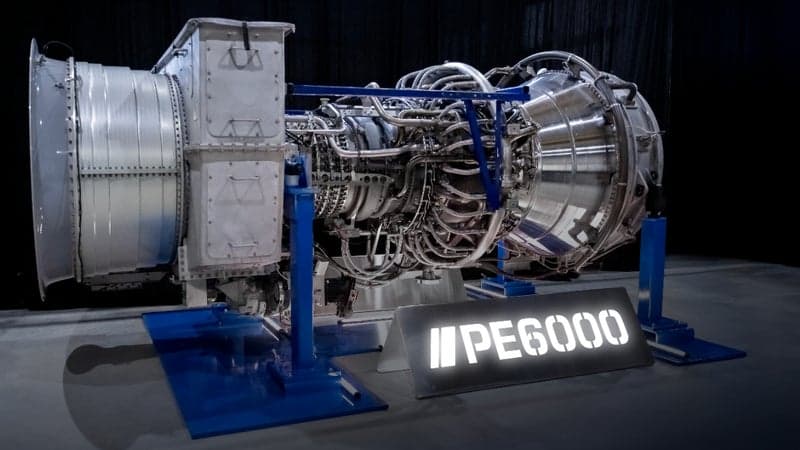
PARIS, Nov 4 (OPA) — Facing surging electricity costs and prolonged grid connection delays, American tech firms are scouring airplane boneyards for surplus turbine engines. President Donald Trump has mandated that data centers generate their own electricity to prevent strain on public infrastructure. Companies like ProEnergy are leading the conversion, adapting General Electric turbines from Boeing 747 and 767 aircraft to produce up to 50 megawatts per unit.
Elon Musk’s artificial intelligence firm, xAI, deployed eight converted Boeing turbines in Mississippi to power its Colossus 2 data center. Musk previously warned that incoming semiconductor shipments would sit idle without immediate alternative power sources. According to energy sector analyst Audun Martinsen, the primary objective is securing energy rapidly regardless of conventional efficiency metrics.
The scramble for generation capacity draws heavily from vast military stockpiles. The U.S. Energy Information Administration noted in January that roughly 4,000 retired military aircraft engines stored at a desert base near Tucson could theoretically generate 40,000 megawatts. ProEnergy reports that data center demand now surpasses inquiries from traditional energy suppliers.
Environmental groups, including the Southern Environmental Law Center and the NAACP, have launched lawsuits against xAI over relaxed emissions limits. Regulators granted xAI permits allowing carbon monoxide emission rates double those of standard turbines alongside higher volatile organic compound thresholds. The Trump administration has defended the deployment, asserting that legal challenges threaten national security and U.S. dominance in artificial intelligence.
Subscribe to the Global Briefing
Receive our flagship executive dispatch every morning. Essential geopolitical analysis, financial benchmarks, and breaking world events delivered to your inbox.
Mohammad Karamali
Verified Wire ContributorSenior correspondent covering geopolitics, regional developments, and strategic international affairs for OPA News (Optimum Public Affairs).
Related Stories & Follow-ups
Editorial Wire


Reader Discussion
Leave a Comment
0 Comments
Owner
Editorial Oversight & Machine-Assisted Reporting
Human-in-the-Loop VerifiedEditorial Oversight & Machine-Assisted Reporting: This dispatch was synthesized and localized via OPA automated intelligence under continuous human editorial supervision.
Wire Source
This report was synthesized from BFM TV Économie under journalistic fair use.