
Evaluating the Utility of Touchscreen Laptops Versus Dedicated Tablets
Key Takeaways
- Apple introduced its first touchscreen Mac, the PROLED MacBook Pro.
- Tablets offer cost and portability advantages but typically require paid add-on keyboards and lack adequate ports.
- Laptops maintain superiority in software capability, raw processing power, and native physical input options.
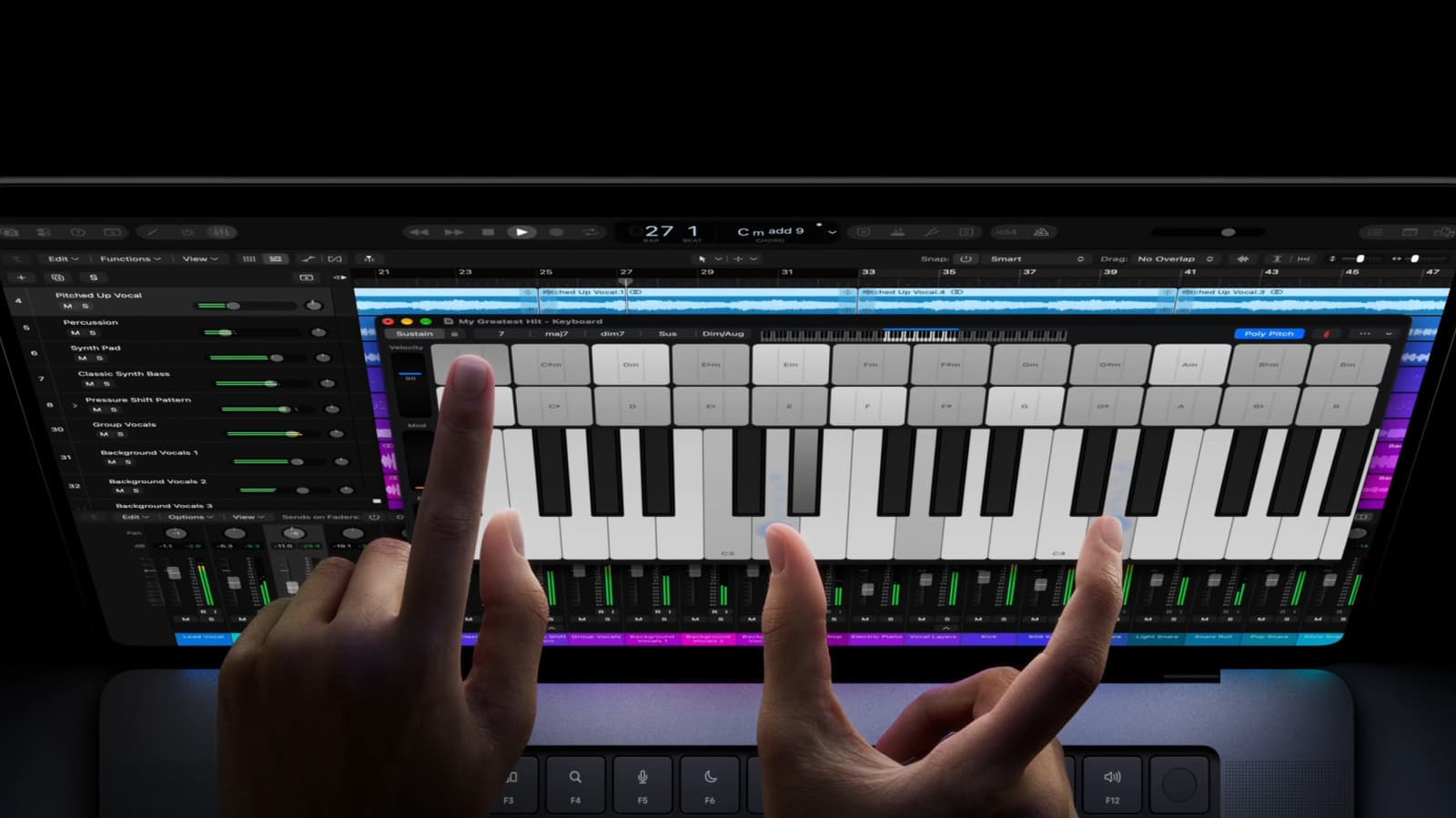
OPA WIRE, Nov 7 (OPA) — The hardware market presents a clear dividing line between touchscreen laptops and dedicated tablets. Apple recently announced its first-ever touchscreen Mac, the PROLED MacBook Pro, reversing a long-standing company skepticism toward touch interfaces on desktop-class machines. Meanwhile, iPads have increasingly adopted Mac-like processors and multitasking interfaces, blurring the functional boundaries between mobile devices and personal computers.
Tablets retain distinct advantages in cost and portability. They often sell for hundreds of dollars less than comparable laptops, an important factor as memory prices rise. Their lighter weight appeals directly to travelers requiring basic productivity or media consumption on long flights. However, dedicated tablets frequently skimp on physical ports, forcing users to purchase USB hubs or Thunderbolt docks to maintain workflow efficiency.
Laptops continue to dominate in software flexibility and raw horsepower. Operating systems like Windows, macOS, and Linux offer access to advanced applications that lack equivalent versions on Android or iPadOS. Furthermore, integrated physical keyboards and trackpads provide ergonomic typing and precise navigation without requiring costly add-on accessories. Professionals requiring heavy-duty GPUs and intensive multitasking capabilities find few alternatives to traditional laptop designs.
While touchscreen laptops offer secondary conveniences like scrolling through long documents, touch technology remains largely non-essential for standard computing tasks. Buyers must weigh whether the added expense of a touchscreen serves their actual workflow. Prioritizing funds toward essential hardware upgrades, such as increased RAM and storage capacity, often yields greater long-term value than purchasing a touchscreen device with limited practical application.
Subscribe to the Global Briefing
Receive our flagship executive dispatch every morning. Essential geopolitical analysis, financial benchmarks, and breaking world events delivered to your inbox.
Mohammad Karamali
Verified Wire ContributorSenior correspondent covering geopolitics, regional developments, and strategic international affairs for OPA News (Optimum Public Affairs).
Related Stories & Follow-ups
Editorial Wire


Reader Discussion
Leave a Comment
0 Comments
Owner
Editorial Oversight & Machine-Assisted Reporting
Human-in-the-Loop VerifiedEditorial Oversight & Machine-Assisted Reporting: This dispatch was synthesized and localized via OPA automated intelligence under continuous human editorial supervision.
Wire Source
This report was synthesized from Engadget under journalistic fair use.