
Researchers Deploy Machine Learning to Decode Animal Communication
Key Takeaways
- NatureLM-audio achieved 99% accuracy isolating frog sounds and 82% in identifying specific species during tests.
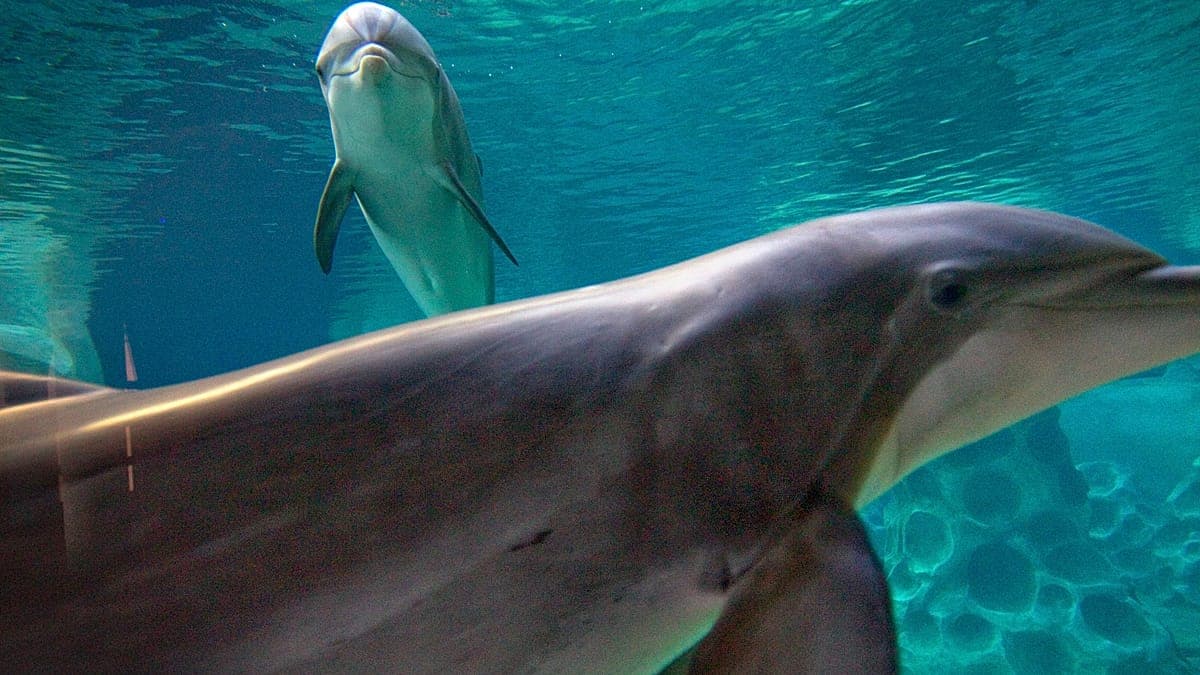
- Google DeepMind developed DolphinGemma using decades of Atlantic spotted dolphin recordings.
- A 2024 study analyzed over 8,700 sperm whale codas to identify complex structural rhythms in marine mammal communication.
OPA WIRE, Nov 9 (OPA) — Researchers are deploying advanced machine learning models to decode animal communication networks. The US-based non-profit Earth Species Project developed NatureLM-audio, a model designed to recognize, classify, and analyze large collections of biological audio recordings through natural-language prompts. During tests using data from Australia's FrogID project, the model achieved 99 percent accuracy in distinguishing frog sounds from other environmental recordings and 82 percent accuracy in identifying specific frog species.
Beyond basic identification, scientists are testing interactive systems. In collaboration with McGill University, the Earth Species Project created ZF-AIM to study vocal interactions between zebra finches by generating bird-like vocalisations in real time. Similarly, Google DeepMind developed DolphinGemma, a model trained on decades of Atlantic spotted dolphin recordings to predict subsequent sounds. Meanwhile, Project CETI utilized AI and underwater microphones to analyze sperm whale click sequences known as codas, referencing a 2024 Nature Communications study that detailed complex structural rhythms.
Despite these technological leaps, translating animal signals into human language remains a distinct challenge. Researchers emphasize that audio data must be evaluated alongside behavioral patterns, social dynamics, and environmental conditions to determine actual meaning. Identifying statistical regularities in acoustic outputs does not automatically translate to comprehending communicative intent.
Experts also warn of potential ethical risks associated with generating and broadcasting synthetic animal signals. Replicating mating or distress calls could disrupt wildlife populations, alter natural behaviors, or facilitate easier capture. Consequently, international research teams are evaluating regulatory frameworks to safeguard animal populations while advancing bioacoustic research.
Subscribe to the Global Briefing
Receive our flagship executive dispatch every morning. Essential geopolitical analysis, financial benchmarks, and breaking world events delivered to your inbox.
Mohammad Karamali
Verified Wire ContributorSenior correspondent covering geopolitics, regional developments, and strategic international affairs for OPA News (Optimum Public Affairs).
Related Stories & Follow-ups
Editorial Wire


Reader Discussion
Leave a Comment
0 Comments
Owner
Editorial Oversight & Machine-Assisted Reporting
Human-in-the-Loop VerifiedEditorial Oversight & Machine-Assisted Reporting: This dispatch was synthesized and localized via OPA automated intelligence under continuous human editorial supervision.
Wire Source
This report was synthesized from Euro News under journalistic fair use.