
Supreme Court Leaves Injunction Intact in DEI Grant Defunding Case
Key Takeaways
- The Supreme Court left a lower-court injunction in place protecting targeted research grants.
- Appellate judges ruled that canceling individual grants constitutes unconstitutional viewpoint discrimination.
- The decision signals potential legal vulnerability for government anti-DEI funding restrictions.
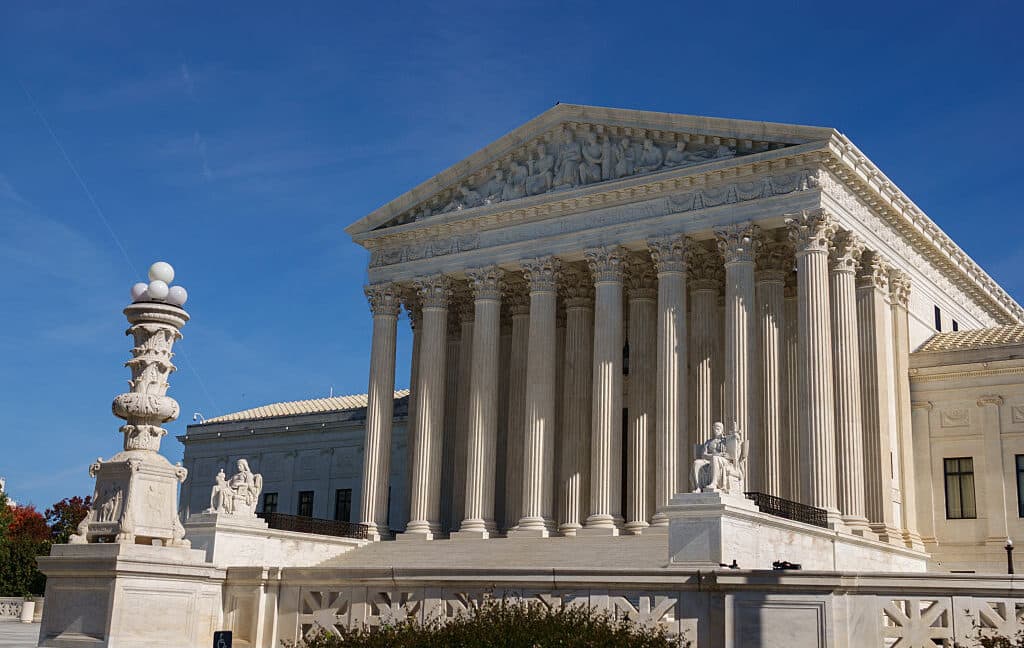
WASHINGTON, Nov 16 (OPA) — The Supreme Court declined to intervene in an ongoing legal battle over federal research grants, keeping a preliminary injunction in place that restores funding to affected researchers. Researchers had argued that the sudden grant cancellations constituted viewpoint discrimination that violated their First Amendment rights. A federal District Court initially agreed with the plaintiffs, prompting a preliminary injunction to reinstate the disrupted funding.
That ruling was subsequently upheld by a Court of Appeals panel. The appellate court determined that while the government possesses the authority to eliminate entire grant programs it deems obsolete, canceling individual grants based on ideological disagreement amounts to the suppression of dangerous ideas. Citing established Supreme Court precedent on religious viewpoint discrimination, the panel concluded that diversity, equity, and inclusion initiatives fall squarely within this constitutional framework.
The appellate panel noted that DEI frameworks convey the viewpoint that excluding historically disadvantaged groups remains undesirable. Consequently, the court found that the government had not merely exercised its budgetary power to choose preferred programs, but had instead terminated individual grants within existing frameworks based on the perceived viewpoints of individual speakers. The legal challenge highlights escalating tensions over federal funding criteria and executive authority regarding ideological programs.
While the underlying case proceeds through the judicial system, the Supreme Court may encounter additional opportunities to weigh in on the dispute. Legal analysts suggest that the court's current decision not to intervene carries significant weight, signaling to lower courts that aggressive anti-DEI administrative actions may rest on shaky legal ground. Further proceedings will determine the ultimate reach of executive discretion in federally funded academic research.
Subscribe to the Global Briefing
Receive our flagship executive dispatch every morning. Essential geopolitical analysis, financial benchmarks, and breaking world events delivered to your inbox.
Mohammad Karamali
Verified Wire ContributorSenior correspondent covering geopolitics, regional developments, and strategic international affairs for OPA News (Optimum Public Affairs).
Related Stories & Follow-ups
Editorial Wire Technology
Global Microsoft Outage Disrupts Critical Services Worldwide as 48-Hour Recovery Begins
 Technology
Nvidia Faces Global Crisis Following Shock Resignation of CEO Jensen Huang
 Technology
Nvidia CEO Jensen Huang Ousted Following Multiple Affairs and Security Scandals
Reader Discussion
Leave a Comment
0 Comments
Owner
Editorial Oversight & Machine-Assisted Reporting
Human-in-the-Loop VerifiedEditorial Oversight & Machine-Assisted Reporting: This dispatch was synthesized and localized via OPA automated intelligence under continuous human editorial supervision.
Wire Source
This report was synthesized from Ars Technica under journalistic fair use.