
Managing Home Network Congestion Amid Rising Device Density
Key Takeaways
- Netflix recommends a minimum stable connection of 15 Mbps for a single 4K video stream.
- The Federal Communications Commission defines baseline broadband minimum speed at 100 Mbps.
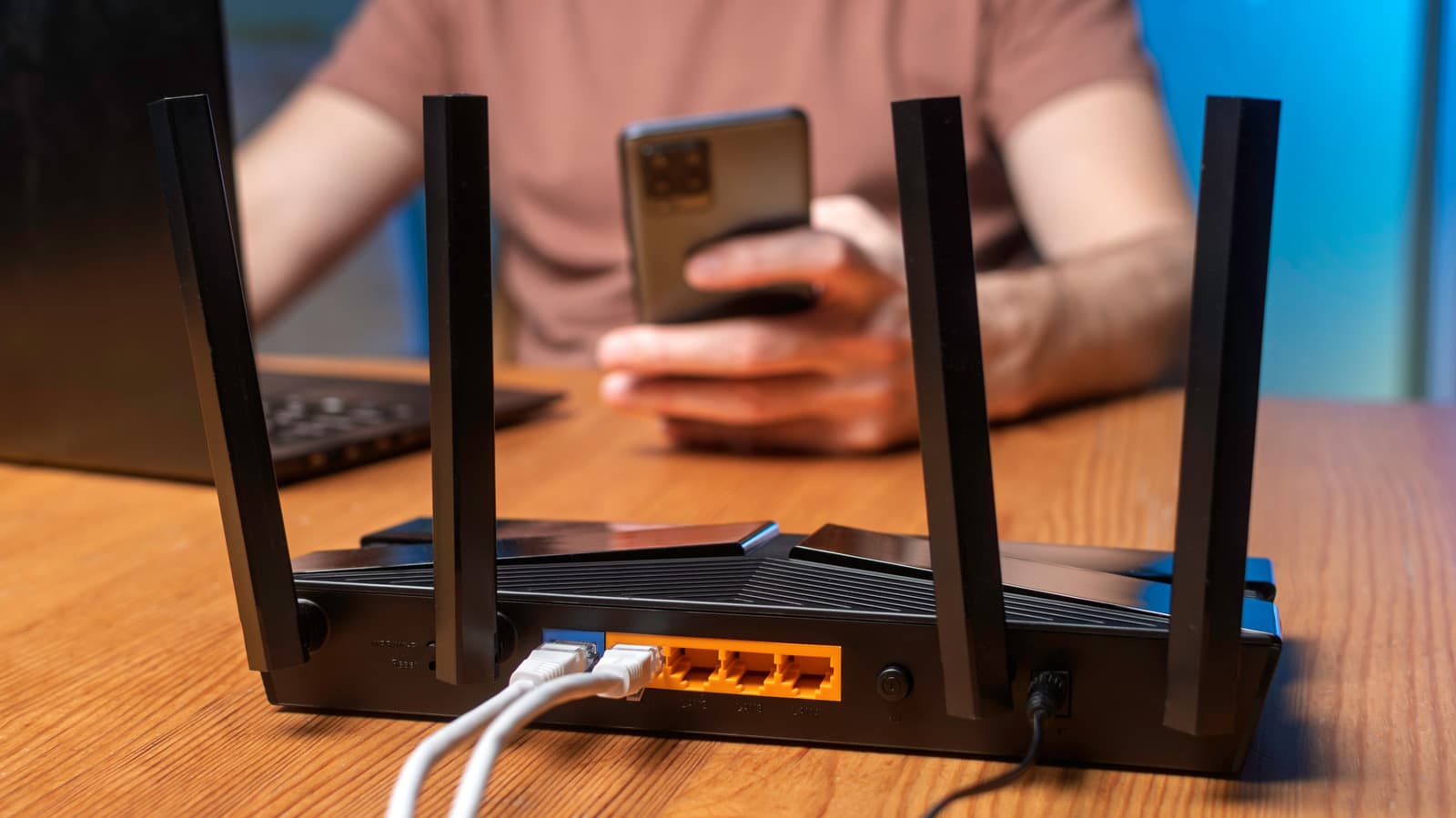
- Wired Ethernet connections for stationary devices reduce wireless congestion without altering ISP bandwidth limits.
OPA WIRE, Nov 22 (OPA) — Network congestion typically manifests as video buffering, high latency during online gaming, and extended download times. These bottlenecks generally stem from two primary limitations: the incoming internet service plan provided by an ISP and the local Wi-Fi connection established by the router. A high-speed internet plan cannot compensate for a weak wireless signal, just as an advanced router cannot exceed the throughput limits of a slow broadband subscription.
Bandwidth calculations require estimating simultaneous device usage rather than relying on flat speed ratings. For instance, Netflix recommends a stable connection of at least 15 megabits per second for each 4K video stream. A household operating 10 devices that each consume 10 megabits per second will fully saturate a 100 megabits per second download speed, which matches the Federal Communications Commission minimum broadband requirement, leaving zero capacity for network overhead.
Upload speeds, which handle video calls and security camera feeds, are traditionally slower than download speeds due to asymmetrical broadband allocation by ISPs. Strategic scheduling of intensive data tasks during off-peak hours helps mitigate these constraints. Additionally, offloading stationary hardware such as personal computers, gaming consoles, and smart televisions onto wired Ethernet connections removes heavy traffic burdens from the local wireless spectrum.
Most households require only a single router, supplemented by strategically placed access points or mesh systems when physical layout demands it. Hardware upgrades should be approached incrementally after diagnosing the specific constraint. Users deploying mesh systems alongside existing ISP gateways must configure the network properly to avoid double network address translation issues that frequently disrupt online gaming and port forwarding protocols.
Subscribe to the Global Briefing
Receive our flagship executive dispatch every morning. Essential geopolitical analysis, financial benchmarks, and breaking world events delivered to your inbox.
Mohammad Karamali
Verified Wire ContributorSenior correspondent covering geopolitics, regional developments, and strategic international affairs for OPA News (Optimum Public Affairs).
Related Stories & Follow-ups
Editorial Wire


Reader Discussion
Leave a Comment
0 Comments
Owner
Editorial Oversight & Machine-Assisted Reporting
Human-in-the-Loop VerifiedEditorial Oversight & Machine-Assisted Reporting: This dispatch was synthesized and localized via OPA automated intelligence under continuous human editorial supervision.
Wire Source
This report was synthesized from Engadget under journalistic fair use.