
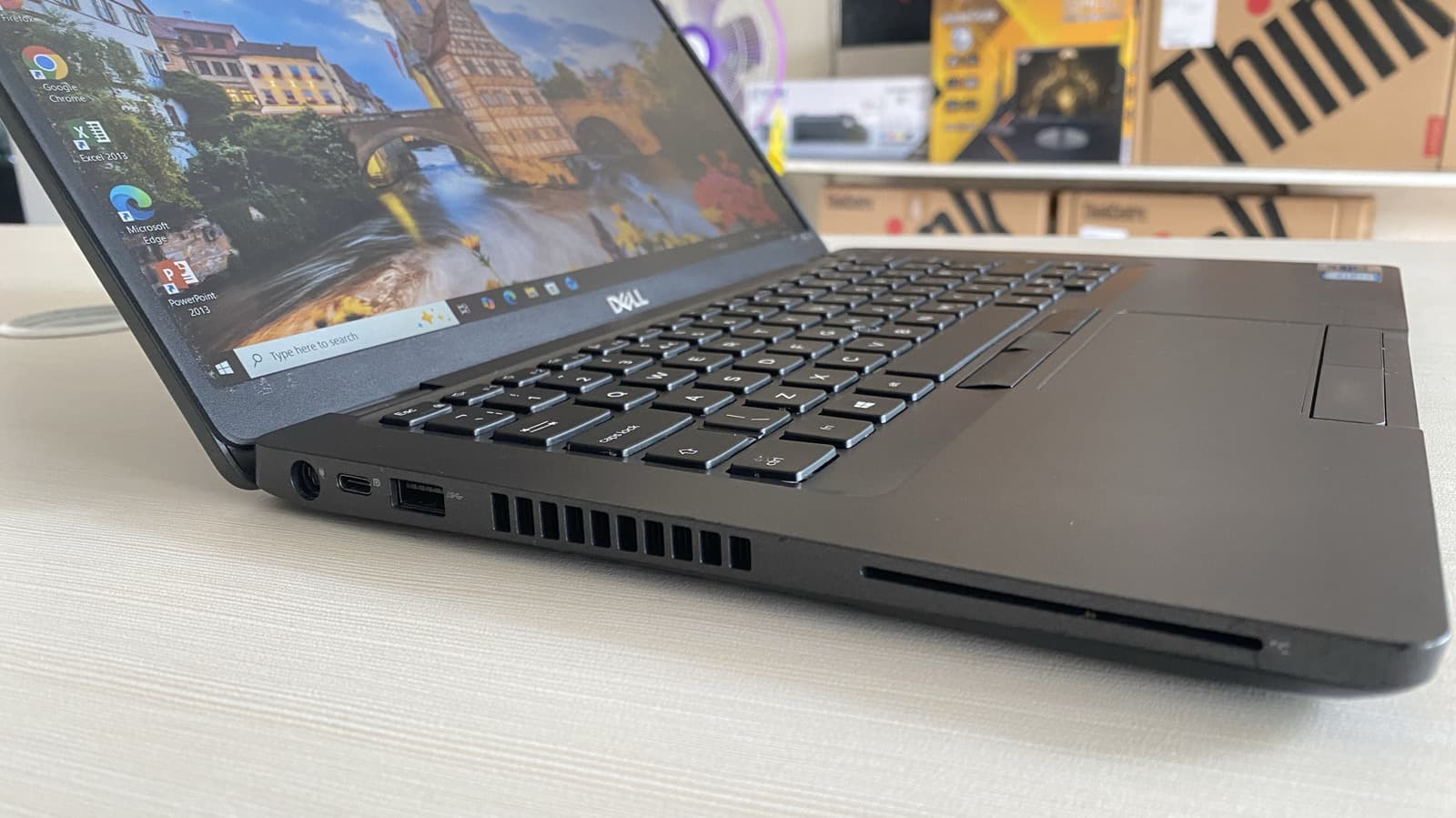
What is the smart card reader port on your laptop?
Key Takeaways
- SC ports function as smart card readers for security and ID badges.
- The hardware cannot process financial transactions or credit card payments.
- Built-in smart card slots are primarily found on enterprise and school-issued laptops.
OPA WIRE, Nov 22 (OPA) — The laptop market historically diverged into consumer devices focused on entertainment and commercial machines built for professional workflows. One enduring feature of enterprise hardware is the SC slot, or smart card reader. The hardware is designed to interface with physical security credentials and employee ID badges. Government agencies, security firms, and educational institutions frequently deploy these readers to restrict access to sensitive internal portals and networks.
While the technology shares visual similarities with point-of-sale terminals used in retail environments, laptop smart card slots serve an authentication function rather than a financial one. Inserting a standard credit or debit card into an SC port will not complete online transactions. The physical interface relies on embedded chips to verify user identity before granting system privileges.
Consumer laptops purchased from standard retail outlets rarely include built-in smart card readers. Devices equipped with the hardware typically originate from enterprise fleets or specialized educational deployments. For average users, configuring an SC reader for personal home security is technically possible but highly impractical compared to standard two-factor authentication methods.
As modern computing trends shift toward sleeker chassis designs and biometric authentication methods like fingerprint scanners and facial recognition, built-in smart card readers have become increasingly rare on new hardware releases. Enterprise environments continue to utilize them where legacy security policies mandate physical token verification.
Subscribe to the Global Briefing
Receive our flagship executive dispatch every morning. Essential geopolitical analysis, financial benchmarks, and breaking world events delivered to your inbox.
Mohammad Karamali
Verified Wire ContributorSenior correspondent covering geopolitics, regional developments, and strategic international affairs for OPA News (Optimum Public Affairs).
Related Stories & Follow-ups
Editorial Wire


Reader Discussion
Leave a Comment
0 Comments
Owner
Editorial Oversight & Machine-Assisted Reporting
Human-in-the-Loop VerifiedEditorial Oversight & Machine-Assisted Reporting: This dispatch was synthesized and localized via OPA automated intelligence under continuous human editorial supervision.
Wire Source
This report was synthesized from Engadget under journalistic fair use.