
Evaluating the Privacy Risks and Practical Benefits of Mobile Location-Sharing
Key Takeaways
- Mobile operating systems offer granular controls to limit location sharing to specific durations.
- A Life360 survey indicates 95 percent of surveyed US adults in relationships use location-sharing technology.
- Canadian regulators found in 2022 that the Tim Hortons app logged excessive personal location data.
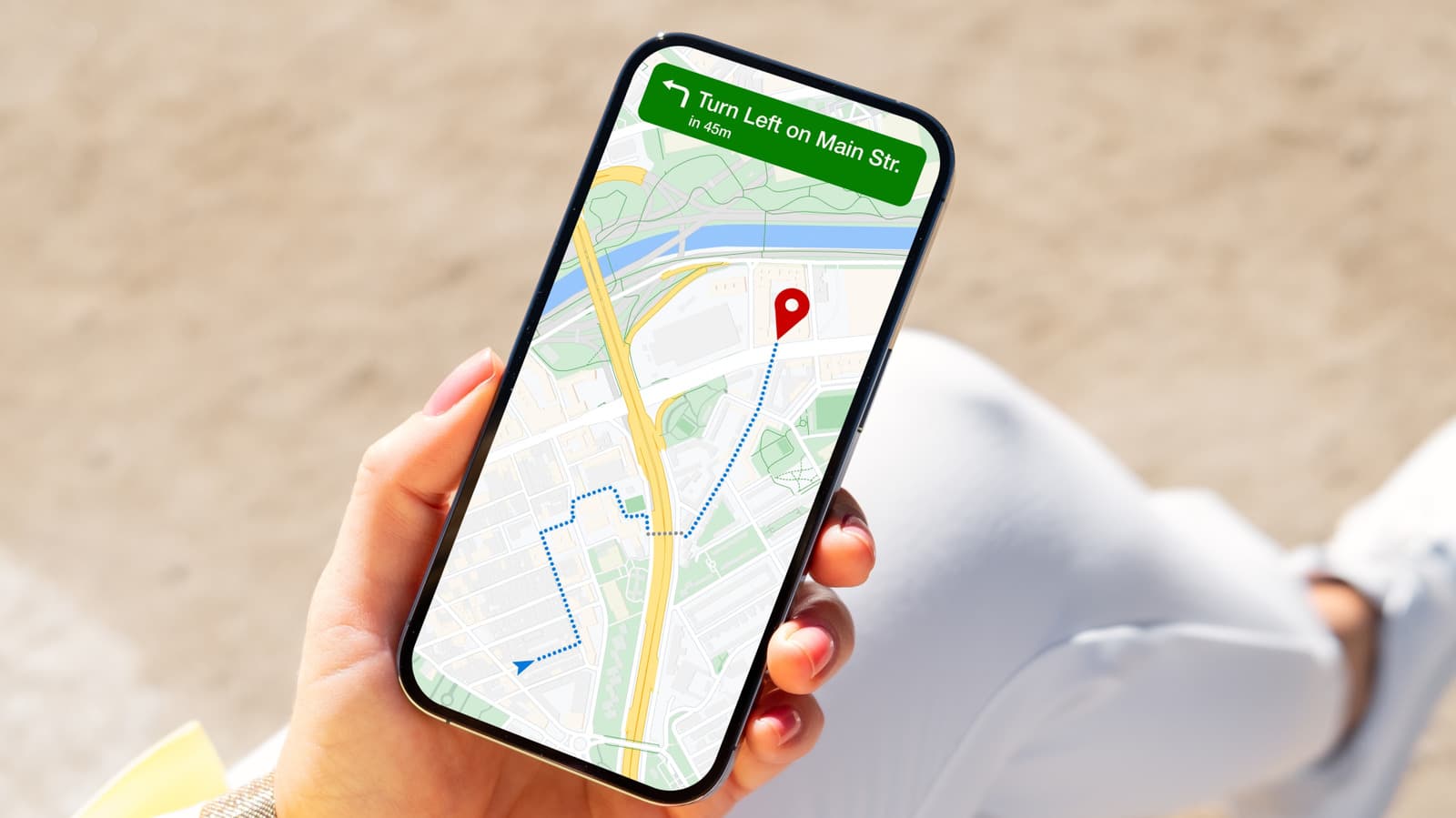
OPA WIRE, Nov 22 (OPA) — Smartphones and applications prompt users for location access upon installation, ranging from limited permissions when active to unrestricted background tracking. Navigation platforms, food delivery services, and device recovery utilities require real-time positioning to function effectively. Modern mobile operating systems provide granular controls to manage these permissions. Apple's iOS and Google's Android allow temporary sharing, scheduled access, and instant revocation of location data for specific contacts and applications.
Hardware trackers like Apple AirTags and Tile devices rely on Bluetooth to display item locations in real time on a map. Safety applications such as Uber's Share My Trip and Google Pixel's Personal Safety feature use location data to alert emergency services or share live routes with trusted contacts. A Life360 survey of 1,000 US adults in relationships indicates that 95 percent of surveyed couples utilize some form of location-sharing technology for coordination and peace of mind.
Despite these benefits, continuous tracking introduces distinct security vulnerabilities. Publicly available fitness tracking routes and geotagged social media posts can expose user routines to bad actors or stalkers. Regulatory scrutiny has also highlighted corporate overreach. Canadian privacy regulators determined in 2022 that the Tim Hortons mobile app collected excessive personal information and detailed location data beyond what was necessary for its service.
Experts recommend restricting location permissions to applications that strictly require them for core functionality. Users can substitute automated background tracking with manually entered addresses on delivery apps or utilize browser-based versions to minimize data exposure. Maintaining rigorous permissions hygiene allows consumers to retain modern safety benefits while mitigating data harvesting risks.
Subscribe to the Global Briefing
Receive our flagship executive dispatch every morning. Essential geopolitical analysis, financial benchmarks, and breaking world events delivered to your inbox.
Mohammad Karamali
Verified Wire ContributorSenior correspondent covering geopolitics, regional developments, and strategic international affairs for OPA News (Optimum Public Affairs).
Related Stories & Follow-ups
Editorial Wire


Reader Discussion
Leave a Comment
0 Comments
Owner
Editorial Oversight & Machine-Assisted Reporting
Human-in-the-Loop VerifiedEditorial Oversight & Machine-Assisted Reporting: This dispatch was synthesized and localized via OPA automated intelligence under continuous human editorial supervision.
Wire Source
This report was synthesized from Engadget under journalistic fair use.