
Paradromics Partners With Nvidia to Shrink Brain-Computer Interface Hardware
Key Takeaways
- Paradromics partnered with Nvidia to integrate AI hardware and software into its brain-computer interfaces.
- The collaboration utilizes Nvidia's Jetson module and Holoscan software to shrink bulky decoding carts into portable devices.
- Local processing aims to reduce latency and eliminate internet dependency for patients using speech-decoding implants.
OPA WIRE, Nov 23 (OPA) — Austin-based Paradromics announced a partnership with Nvidia to integrate the AI chipmaker's hardware and software into its brain-computer interface platforms. The collaboration focuses on processing complex neural data to help patients with motor neuron diseases communicate through synthesized voices.
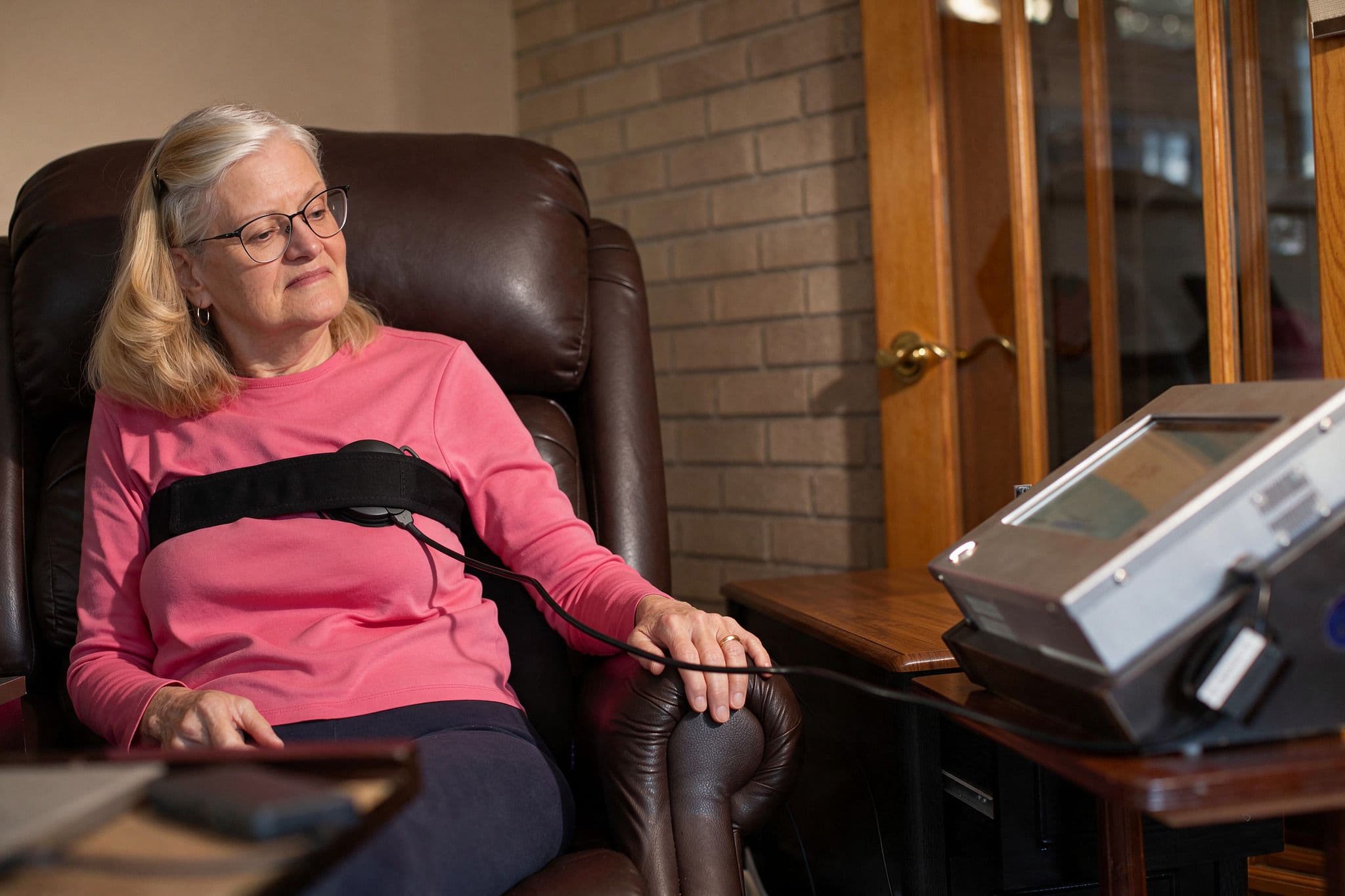
Mary, a Michigan woman with motor neuron disease, currently uses a Paradromics implant containing over 400 embedded electrodes. While the implant is invisible, its speech-decoding capabilities require an electronics cart plugged into an electrical outlet. Under the new partnership, Paradromics plans to use Nvidia's Jetson low-powered computing module and Holoscan AI sensor processing software to shrink the hardware down to a small box that fits on a wheelchair.
Decoding neural signals demands immense computing power, making brain-computer interfaces a primary use case for edge computing. Nvidia's technology will allow speech decoding to occur locally on devices near the user, significantly reducing lag times and eliminating the need for constant internet connectivity. David Niewolny, Nvidia's director of business development for health care and medical, noted that real-time processing is essential for maintaining natural conversation flows.
Looking ahead, Paradromics intends to integrate Nvidia's foundation models to make synthesized voices more expressive and human-like. Chief scientific officer Vikash Gilja stated that running these models locally on Nvidia hardware ensures patient mobility. Nvidia is also collaborating with other sector players, including Synchron, while maintaining that it will not access raw brain data through these partnerships.
Subscribe to the Global Briefing
Receive our flagship executive dispatch every morning. Essential geopolitical analysis, financial benchmarks, and breaking world events delivered to your inbox.
Mohammad Karamali
Verified Wire ContributorSenior correspondent covering geopolitics, regional developments, and strategic international affairs for OPA News (Optimum Public Affairs).
Related Stories & Follow-ups
Editorial Wire


Reader Discussion
Leave a Comment
0 Comments
Owner
Editorial Oversight & Machine-Assisted Reporting
Human-in-the-Loop VerifiedEditorial Oversight & Machine-Assisted Reporting: This dispatch was synthesized and localized via OPA automated intelligence under continuous human editorial supervision.
Wire Source
This report was synthesized from Wired under journalistic fair use.