
Evaluating Key Hardware and Software Features in Modern Home Security Cameras
Key Takeaways
- Night vision performance and a wide field of view are more critical than high 4K resolution.
- Outdoor security cameras require an IP68 dust and water resistance rating.
- Cloud recording prevents loss of video evidence if physical hardware is stolen or destroyed.
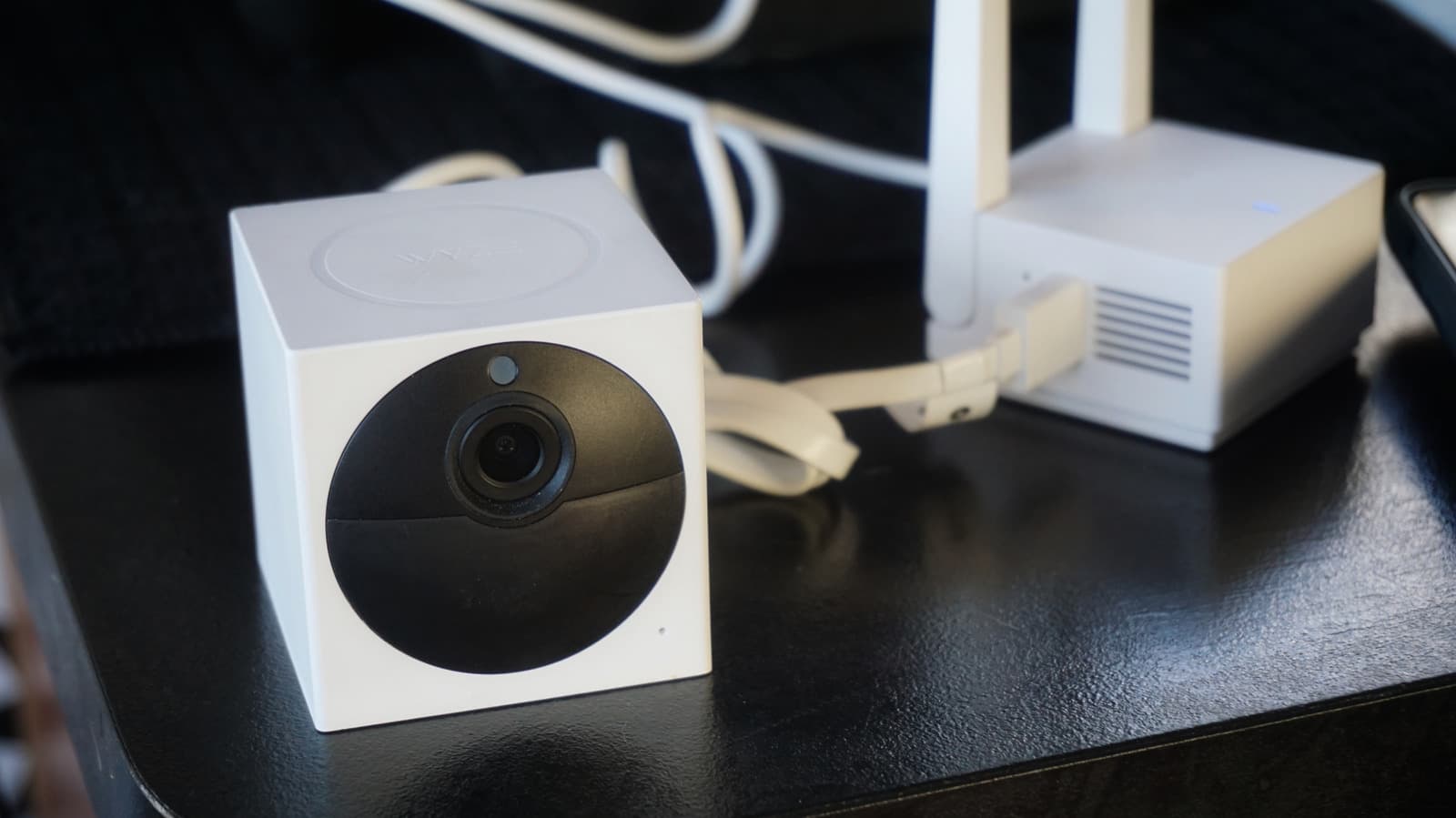
OPA WIRE, Nov 23 (OPA) — When purchasing home security hardware, resolution metrics are frequently overshadowed by the importance of sensor sensitivity and environmental design. Industry testing demonstrates that night vision clarity and a wide field of view—ideally reaching 180 degrees—are far more critical for identifying intruders than a standard 4K resolution upgrade. Outdoor installations demand an ingress protection rating of IP68 or higher to withstand dust and moisture, alongside operating temperature limits matched to the local climate. Battery-powered units require frequent recharging cycles every six to 12 months unless paired with dedicated solar panels.
AI-based object classification for humans, vehicles, and packages prevents excessive false alarms, though subscription models often gate these analytics. On-device processing eliminates recurring monthly fees but may limit advanced detection capabilities. Cloud recording remains a more secure option than local SD card storage, protecting video evidence against equipment theft or physical destruction during an intrusion. Third-party platform integrations with ecosystems like Amazon Alexa, Google Home, or Apple Home facilitate automated responses, such as activating lighting arrays upon motion detection.
Continuous operation during power outages or internet disruptions requires specialized redundancy, including cellular backup and local SD card storage, which significantly increases hardware and operational costs. Whole-home battery backups and cellular-enabled Wi-Fi routers offer complete network resilience but often require substantial financial investments. Professional monitoring services provide marginal utility for standard residential deployments, serving primarily to contact emergency services when homeowners are unreachable or traveling.
Deploying a comprehensive surveillance architecture involves balancing local privacy controls against remote accessibility and cloud storage security. Consumer requirements dictate whether a system operates entirely offline with local backups or integrates within broader smart home automation frameworks. Evaluating real-world sample images and climate compatibility remains essential before purchasing hardware intended to operate reliably in critical security scenarios.
Subscribe to the Global Briefing
Receive our flagship executive dispatch every morning. Essential geopolitical analysis, financial benchmarks, and breaking world events delivered to your inbox.
Mohammad Karamali
Verified Wire ContributorSenior correspondent covering geopolitics, regional developments, and strategic international affairs for OPA News (Optimum Public Affairs).
Related Stories & Follow-ups
Editorial Wire


Reader Discussion
Leave a Comment
0 Comments
Owner
Editorial Oversight & Machine-Assisted Reporting
Human-in-the-Loop VerifiedEditorial Oversight & Machine-Assisted Reporting: This dispatch was synthesized and localized via OPA automated intelligence under continuous human editorial supervision.
Wire Source
This report was synthesized from Engadget under journalistic fair use.