
Why the U.S. Is Imposing New Visa Restrictions on South Africa
Key Takeaways
- The U.S. administration implemented new visa restrictions on South Africa shortly after receiving a diplomatic letter intended to ease tensions.
- The State Department cited security concerns and immigration system integrity as the primary drivers for the new, more stringent policy.
- Business and academic leaders warn that the restrictions could severely disrupt investment, professional mobility, and long-standing research collaborations.
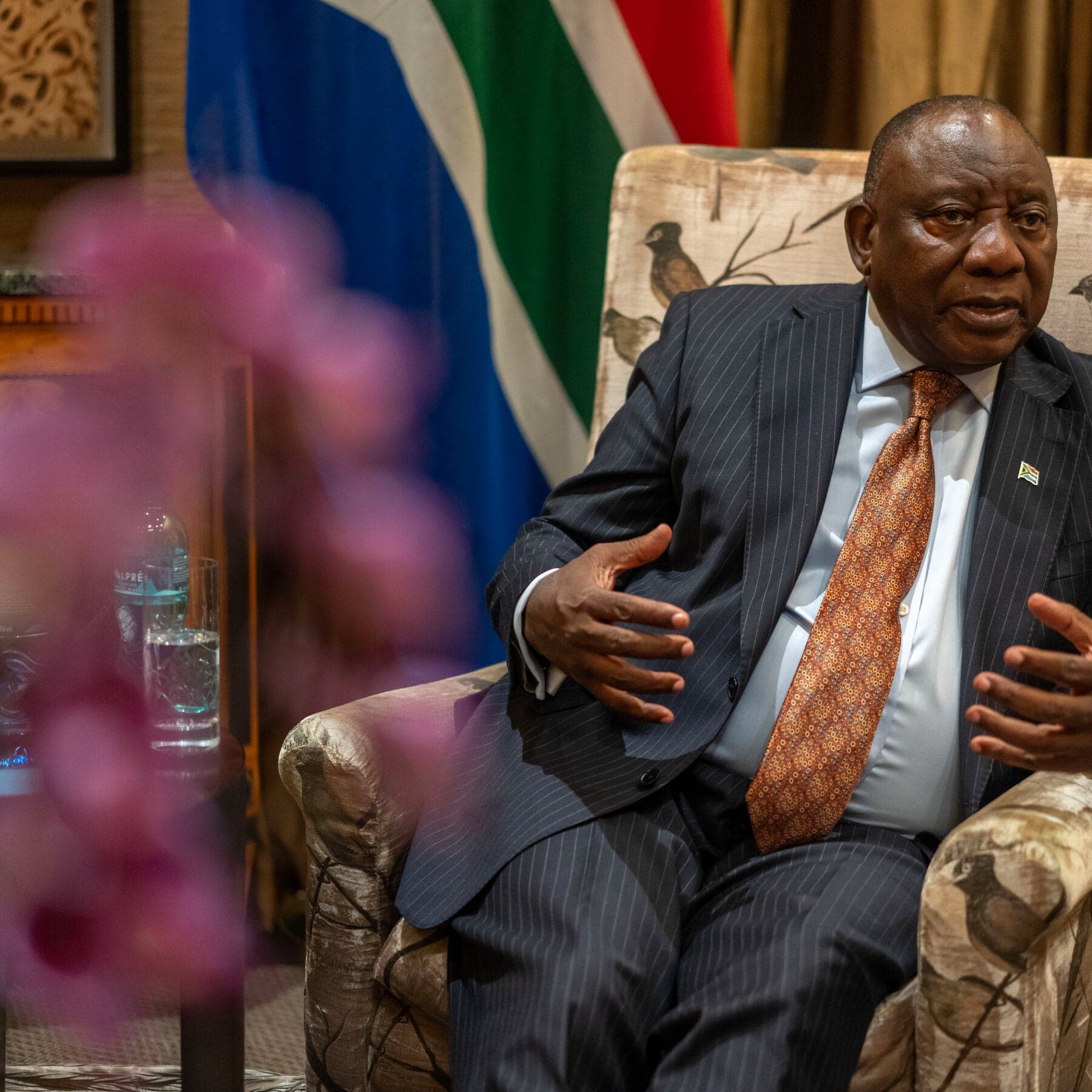
OPA WIRE, Sep 29 (OPA) — The Trump administration has officially announced a new set of stringent visa restrictions targeting South African nationals, a move that has sent shockwaves through diplomatic circles in Pretoria. This decision comes merely days after South African officials dispatched a formal letter to Washington, which they had optimistically hoped would de-escalate rising tensions and foster a more collaborative dialogue regarding immigration and security protocols. Instead, the administration opted for a confrontational approach, signaling a significant shift in the bilateral relationship that has historically been characterized by strategic cooperation and mutual economic interests.
Official data indicates that the new policy will impact thousands of applicants, including business travelers, students, and family members seeking entry into the United States. A spokesperson for the Department of State stated, 'The implementation of these measures is a necessary step to ensure the integrity of our immigration system and to address specific security concerns that have remained unresolved despite previous diplomatic overtures.' South African officials, however, have expressed profound disappointment, with a senior diplomat noting that the sudden imposition of these restrictions undermines the spirit of the recent correspondence and complicates ongoing negotiations.
Historically, the U.S.-South Africa relationship has been defined by complex dynamics, ranging from trade agreements to shared interests in regional stability across the African continent. Over the past decade, both nations have navigated various diplomatic hurdles, but the current visa dispute represents a notable low point. The context of this decision is rooted in broader U.S. immigration policy shifts that prioritize stricter vetting processes and reciprocal visa requirements, often leaving traditional allies caught in the crossfire of domestic political agendas and shifting foreign policy priorities.
The ramifications of these restrictions are expected to be far-reaching, affecting not only individual travelers but also the broader economic and cultural exchange programs between the two nations. Business leaders in South Africa have warned that the increased bureaucratic burden could stifle investment and hinder the mobility of professionals, potentially leading to a cooling of commercial ties. Furthermore, the academic community has voiced concerns regarding the potential disruption of research collaborations and student exchange programs, which have long served as a cornerstone of the soft power influence between the United States and South Africa.
Looking ahead, geopolitical analysts suggest that the future of this relationship remains precarious as both sides weigh the costs of continued escalation. Experts argue that unless there is a swift return to high-level diplomatic engagement, the visa dispute could spill over into other sectors, including trade and defense cooperation. The long-term consequences may include a permanent shift in South Africa's international alignment, as the nation may seek to diversify its partnerships in response to what it perceives as an unpredictable and increasingly restrictive American foreign policy stance.
Subscribe to the Global Briefing
Receive our flagship executive dispatch every morning. Essential geopolitical analysis, financial benchmarks, and breaking world events delivered to your inbox.
Mohammad Karamali
Verified Wire ContributorSenior correspondent covering geopolitics, regional developments, and strategic international affairs for OPA News (Optimum Public Affairs).
Related Stories & Follow-ups
Editorial WireWitkoff travels to Russia for talks as Zelenskyy demands Ukraine's inclusion in negotiations
 World | Politics
Trump Backs Netanyahu as Iran Conflict Shadows U.S. Midterms and Israeli Elections
 World | Politics
French protests threaten to reshape political landscape ahead of presidential vote
Reader Discussion
Leave a Comment
0 Comments
Owner
Editorial Oversight & Machine-Assisted Reporting
Human-in-the-Loop VerifiedEditorial Oversight & Machine-Assisted Reporting: This dispatch was synthesized and localized via OPA automated intelligence under continuous human editorial supervision.
Wire Source
This report was synthesized from New York Times under journalistic fair use.