
Greece Announces Plans for Migrant Deportation Centers in Africa
Key Takeaways
- Greece plans to launch migrant deportation centers in Africa by July 2027.
- Minister Plevris advocates for bypassing standard asylum procedures during mass arrival crises.
- Human rights groups warn that externalizing border control threatens international asylum standards.
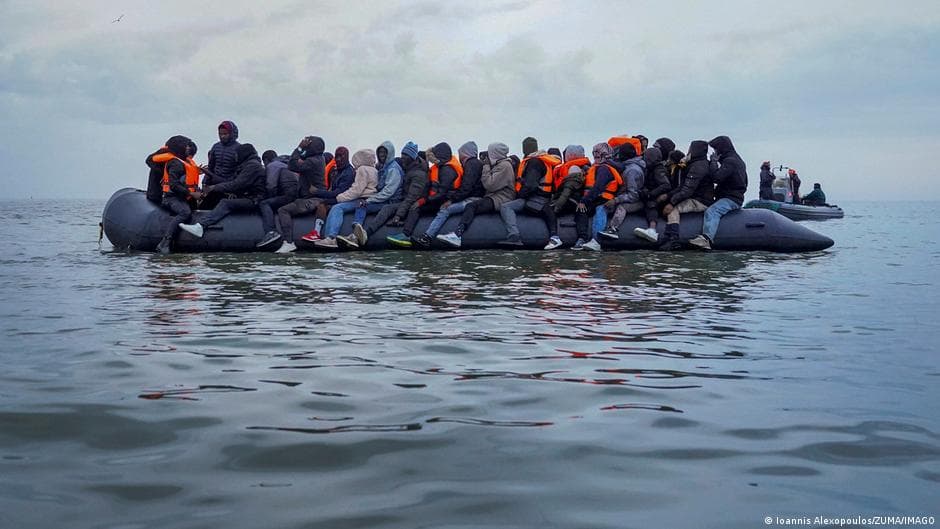
OPA WIRE, Sep 30 (OPA) — Greece is advancing a controversial plan to establish migrant deportation centers in Africa for individuals whose asylum applications have been rejected by the European Union. Greek Migration Minister Thanassis Plevris confirmed that a host country has been identified, though he refrained from disclosing its name due to the sensitivity of the ongoing negotiations. The initiative aims to streamline the return process for those who do not qualify for protection within the bloc, marking a significant shift in EU border management strategy.
During an interview with Greek television network ANT1, Plevris stated that Greece intends to have these centers operational by July 2027, coinciding with its six-month presidency of the Council of the European Union. He emphasized that the government is coordinating with Germany, Austria, the Netherlands, and Denmark, alongside the International Organization for Migration (IOM), to ensure the project's viability. Plevris noted that in crisis scenarios, such as mass border crossings, standard asylum procedures must be bypassed in favor of immediate expulsion.
The concept of 'return centers' outside the EU has been a subject of intense debate for years. While countries like Italy have explored similar arrangements in Albania, the focus on African nations like Rwanda or Uganda has sparked significant scrutiny. Historically, the EU has struggled with the logistical and legal hurdles of returning migrants to their countries of origin, leading to the current push for third-country processing facilities to manage the influx of displaced persons more effectively.
Human rights organizations have vehemently criticized the proposal, warning that such centers could lead to the criminalization of migration and the erosion of international asylum protections. The potential for human rights abuses in these remote facilities remains a primary concern for NGOs, who argue that externalizing border control does not absolve the EU of its legal and moral obligations. Meanwhile, the political pressure to reduce irregular migration continues to mount across member states facing domestic electoral challenges.
Looking ahead, the success of this initiative depends on the cooperation of the host nation and the legal framework established by the EU. Experts suggest that while the plan may deter some irregular migration, it faces significant legal challenges in European courts. The upcoming meeting of the Council of Justice and Home Affairs will be critical in determining whether this model becomes a standard feature of EU migration policy or remains a contentious, isolated effort by a coalition of member states.
Subscribe to the Global Briefing
Receive our flagship executive dispatch every morning. Essential geopolitical analysis, financial benchmarks, and breaking world events delivered to your inbox.
Mohammad Karamali
Verified Wire ContributorSenior correspondent covering geopolitics, regional developments, and strategic international affairs for OPA News (Optimum Public Affairs).
Related Stories & Follow-ups
Editorial WireWitkoff travels to Russia for talks as Zelenskyy demands Ukraine's inclusion in negotiations
 World | Politics
Trump Backs Netanyahu as Iran Conflict Shadows U.S. Midterms and Israeli Elections
 World | Politics
French protests threaten to reshape political landscape ahead of presidential vote
Reader Discussion
Leave a Comment
0 Comments
Owner
Editorial Oversight & Machine-Assisted Reporting
Human-in-the-Loop VerifiedEditorial Oversight & Machine-Assisted Reporting: This dispatch was synthesized and localized via OPA automated intelligence under continuous human editorial supervision.
Wire Source
This report was synthesized from DW Persian under journalistic fair use.