
American Forces Withdraw From Iraq 23 Years After Invading
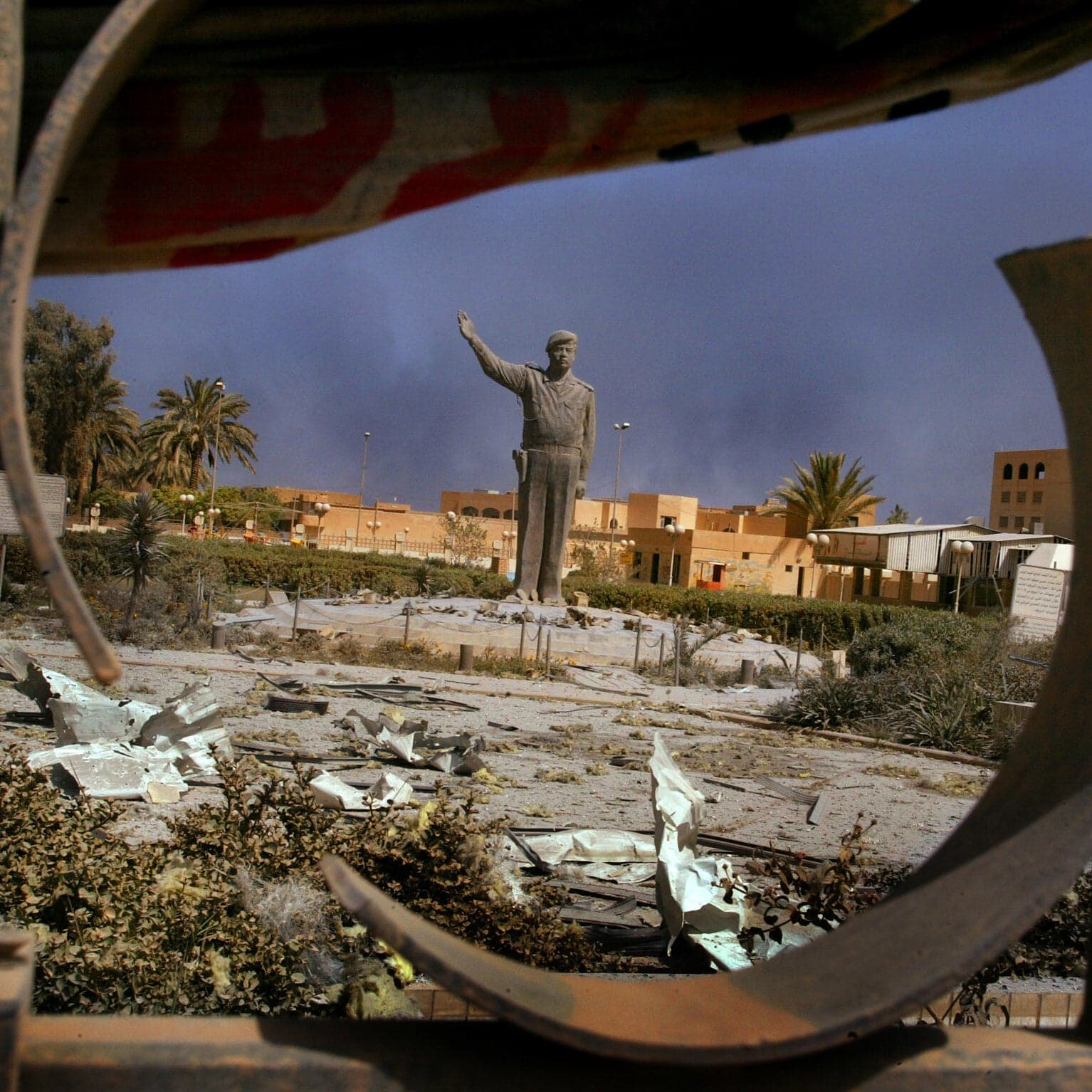
Key Takeaways
- The U.S. military presence in Iraq has officially ended 23 years after the 2003 invasion.
- The withdrawal marks a major shift in Middle Eastern geopolitical strategy and regional security dynamics.
- Analysts emphasize that the long-term legacy of the intervention remains a subject of intense debate regarding nation-building efficacy.
OPA WIRE, Sep 30 (OPA) — The United States has officially concluded its military presence in Iraq, marking the end of a complex and transformative two-decade chapter that began with the 2003 invasion. This withdrawal represents a significant geopolitical shift, effectively closing the book on an era defined by the pursuit of regional stability and the dismantling of the previous regime. As the final convoys depart, the departure serves as a poignant reminder of the enduring challenges that have characterized the American experience in the Middle East since the turn of the millennium.
Official reports indicate that the drawdown involved thousands of personnel and vast logistical assets, concluding a mission that cost trillions of dollars and claimed countless lives. Military spokespeople stated that the transition to local security control is complete, emphasizing that the Iraqi government is now fully responsible for maintaining internal order. Despite these assurances, critics point to the staggering human and financial toll, noting that the initial objectives of the intervention often shifted under the weight of unforeseen sectarian violence and political instability.
Historically, the 2003 invasion was predicated on intelligence regarding weapons of mass destruction, which were never found, leading to a prolonged occupation that reshaped the nation's social and political fabric. Over the subsequent twenty-three years, the American military presence evolved from an occupying force into a training and advisory role, yet it remained a lightning rod for regional tensions. Correspondents who covered the region throughout this period frequently noted a persistent disconnect between American policy goals and the ground-level reality of Iraqi society.
This withdrawal carries profound ramifications for the regional balance of power, leaving a vacuum that local and international actors are eager to influence. For the Iraqi people, the departure of foreign troops is met with a mixture of relief and deep anxiety regarding the future of national sovereignty and security. Neighboring nations are closely monitoring the situation, as the absence of a direct American military footprint alters the strategic calculus for alliances and proxy dynamics across the broader Middle Eastern landscape.
Looking ahead, analysts suggest that the legacy of the American intervention will be debated for generations, particularly regarding the long-term efficacy of nation-building efforts. The future of Iraq remains precarious, as the country faces the dual challenges of economic reconstruction and the consolidation of a fractured political system. While the military chapter has closed, the diplomatic and humanitarian responsibilities remain, ensuring that the relationship between Washington and Baghdad will continue to evolve in a post-intervention world.
Subscribe to the Global Briefing
Receive our flagship executive dispatch every morning. Essential geopolitical analysis, financial benchmarks, and breaking world events delivered to your inbox.
Mohammad Karamali
Verified Wire ContributorSenior correspondent covering geopolitics, regional developments, and strategic international affairs for OPA News (Optimum Public Affairs).
Related Stories & Follow-ups
Editorial WireWitkoff travels to Russia for talks as Zelenskyy demands Ukraine's inclusion in negotiations
 World | Politics
Trump Backs Netanyahu as Iran Conflict Shadows U.S. Midterms and Israeli Elections
 World | Politics
French protests threaten to reshape political landscape ahead of presidential vote
Reader Discussion
Leave a Comment
0 Comments
Owner
Editorial Oversight & Machine-Assisted Reporting
Human-in-the-Loop VerifiedEditorial Oversight & Machine-Assisted Reporting: This dispatch was synthesized and localized via OPA automated intelligence under continuous human editorial supervision.
Wire Source
This report was synthesized from New York Times under journalistic fair use.