
After Two Decades, U.S. Forces Leave Iraq to an Uncertain Future
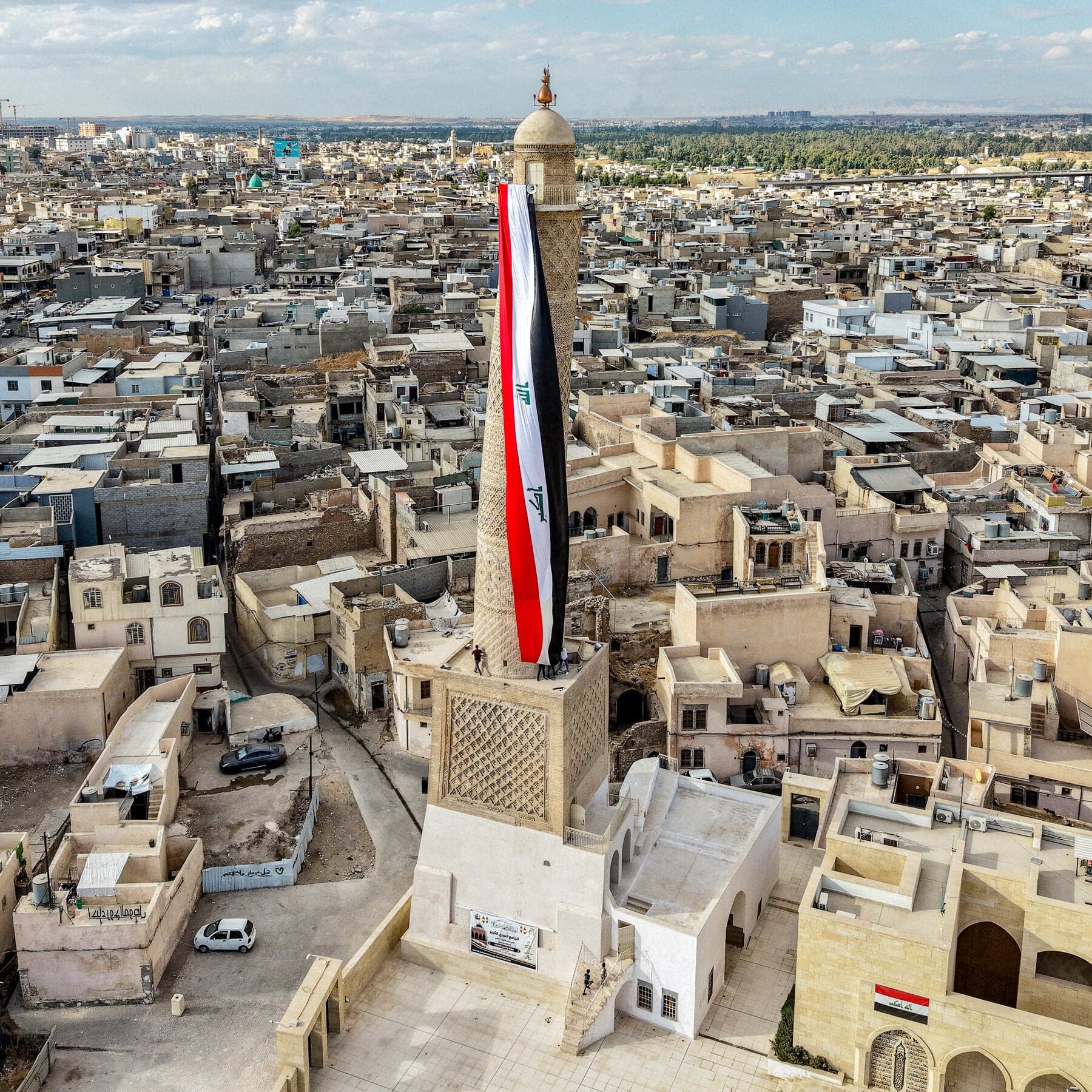
Key Takeaways
- The U.S. military withdrawal marks the end of a 20-year presence initiated by the 2003 invasion.
- Iraq faces a security vacuum, raising concerns about internal stability and regional influence from Iran.
- The transition involves the full handover of security responsibilities to local Iraqi authorities.
OPA WIRE, Sep 30 (OPA) — The final withdrawal of United States military forces from Iraq marks the conclusion of a two-decade-long chapter that fundamentally reshaped the Middle East. As the last convoys depart, the nation stands at a precarious crossroads, caught between the lingering influence of Washington and the encroaching power of Tehran. For many Iraqis, the departure is a moment of profound relief, signaling the end of a foreign presence that was often synonymous with instability and conflict. Yet, for others, the vacuum left behind creates a palpable sense of dread regarding the country's sovereignty and internal security.
Official data indicates that the drawdown involved the departure of thousands of personnel and the transfer of critical infrastructure to local authorities. A senior U.S. military official stated, 'We have fulfilled our mission parameters to transition security responsibilities fully to the Iraqi state.' Conversely, local political leaders have expressed mixed sentiments, with some factions celebrating the move as a reclamation of national dignity, while others warn that the Iraqi military remains ill-equipped to handle the complex security threats posed by insurgent remnants and regional geopolitical pressures.
This departure follows twenty years of intermittent warfare, beginning with the 2003 invasion that toppled Saddam Hussein. The subsequent years were defined by sectarian violence, the rise and fall of the Islamic State, and a persistent struggle to build a functioning democratic government. The American presence was intended to stabilize the region, yet it frequently became a lightning rod for anti-Western sentiment and a focal point for the broader proxy conflict between the United States and Iran, leaving a legacy that is as complicated as it is bloody.
The ramifications of this exit are expected to be felt across the entire region. Neighboring states are closely monitoring the power dynamics in Baghdad, fearing that a weakened Iraqi state could become a battleground for regional hegemony. Domestically, the Iraqi government faces the daunting task of maintaining order without the logistical and intelligence support that U.S. forces provided. Citizens are particularly concerned about the potential for renewed civil strife and the erosion of civil liberties as various militias vie for control in the absence of a dominant foreign arbiter.
Looking ahead, geopolitical analysts suggest that Iraq's future will be defined by its ability to navigate the competing interests of its neighbors. The absence of U.S. troops removes a primary security guarantee, forcing Baghdad to seek new alliances or risk falling further into the orbit of Iranian influence. Experts warn that without significant internal reform and a unified national vision, the country risks sliding back into the cycles of violence that have plagued it since the turn of the century. The coming months will be the ultimate test of Iraq's resilience as a sovereign nation.
Subscribe to the Global Briefing
Receive our flagship executive dispatch every morning. Essential geopolitical analysis, financial benchmarks, and breaking world events delivered to your inbox.
Mohammad Karamali
Verified Wire ContributorSenior correspondent covering geopolitics, regional developments, and strategic international affairs for OPA News (Optimum Public Affairs).
Related Stories & Follow-ups
Editorial WireWitkoff travels to Russia for talks as Zelenskyy demands Ukraine's inclusion in negotiations
 World | Politics
Trump Backs Netanyahu as Iran Conflict Shadows U.S. Midterms and Israeli Elections
 World | Politics
French protests threaten to reshape political landscape ahead of presidential vote
Reader Discussion
Leave a Comment
0 Comments
Owner
Editorial Oversight & Machine-Assisted Reporting
Human-in-the-Loop VerifiedEditorial Oversight & Machine-Assisted Reporting: This dispatch was synthesized and localized via OPA automated intelligence under continuous human editorial supervision.
Wire Source
This report was synthesized from New York Times under journalistic fair use.