
Tokyo Shatters Meteorological Records with 34 Consecutive Days of Rainfall
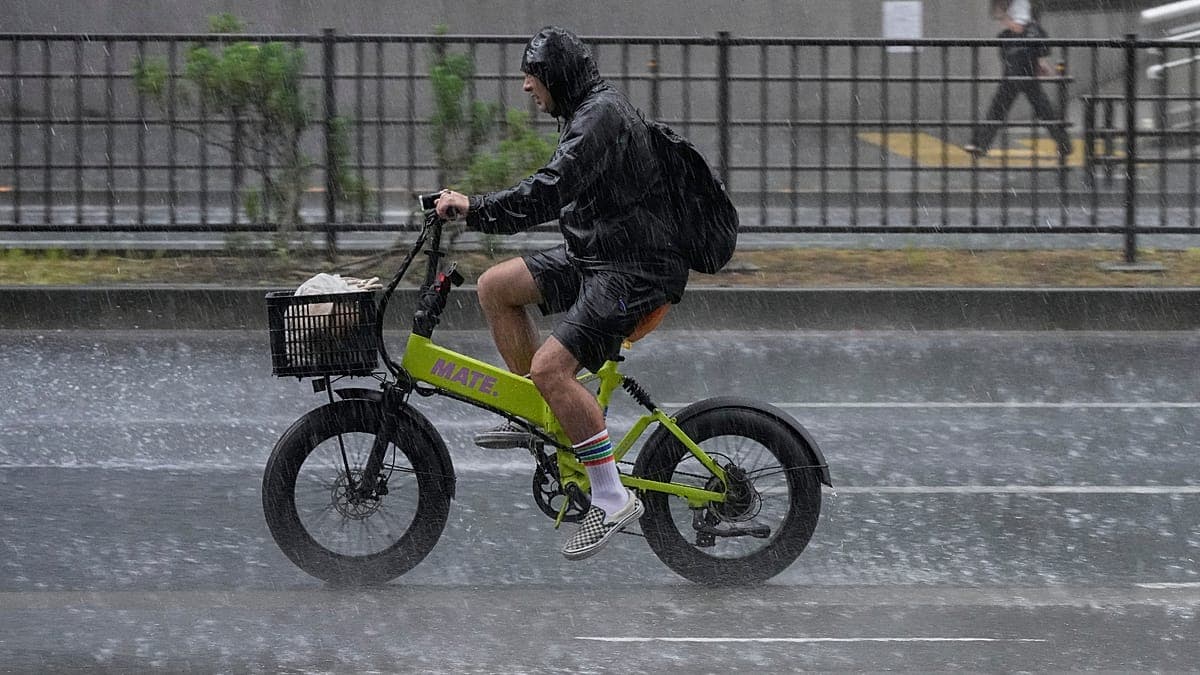
OPA WIRE, Sep 29 (OPA) — Tokyo has officially entered the history books for all the wrong reasons, as the Japan Meteorological Agency (JMA) confirmed that the capital has experienced 34 consecutive days of rainfall. This unprecedented weather pattern has surpassed the previous record of 33 days, which was set during a prolonged rainy season between June and July 2019. The relentless precipitation has transformed the urban landscape, creating significant logistical challenges for one of the world's most densely populated metropolitan areas.
Quantitatively, the data indicates a sustained atmospheric disturbance that has kept the city under a near-constant deluge. While the JMA continues to monitor the intensity of the rainfall, the sheer duration of this event is what distinguishes it from typical seasonal patterns. The accumulation of water has tested the city’s sophisticated drainage systems, with officials noting that the persistent nature of the rain has prevented the ground from drying, leading to saturated soil and increased risks of localized flooding.
Historically, Tokyo’s climate is characterized by distinct seasonal shifts, including the 'tsuyu' rainy season. However, the current phenomenon appears to deviate from historical norms, raising questions among climatologists about the influence of shifting weather patterns in the Pacific region. The previous record of 33 days, established in 2019, was widely considered an outlier at the time, but the current 34-day streak suggests a potential shift in the frequency of extreme weather events affecting the Kanto Plain.
The ramifications of this record-breaking weather are multifaceted, impacting everything from daily commerce to public infrastructure. Commuters have faced significant delays, and the constant moisture has created hazardous conditions on roadways, leading to a spike in traffic incidents. Furthermore, the agricultural sectors surrounding the capital are bracing for the potential long-term effects of waterlogged crops, which could influence local food supply chains if the pattern persists.
Looking ahead, the JMA remains on high alert, urging residents to exercise caution as the forecast remains uncertain. While meteorologists are analyzing whether this event is a localized anomaly or a symptom of broader climate instability, the immediate priority remains public safety. As Tokyo navigates this historic deluge, the city’s resilience is being tested, serving as a stark reminder of the vulnerability of even the most advanced urban centers to extreme meteorological phenomena.
Subscribe to the Global Briefing
Receive our flagship executive dispatch every morning. Essential geopolitical analysis, financial benchmarks, and breaking world events delivered to your inbox.
Mohammad Karamali
Verified Wire ContributorSenior correspondent covering geopolitics, regional developments, and strategic international affairs for OPA News (Optimum Public Affairs).
Related Stories & Follow-ups
Editorial Wire


Reader Discussion
Leave a Comment
0 Comments
Owner
Editorial Oversight & Machine-Assisted Reporting
Human-in-the-Loop VerifiedEditorial Oversight & Machine-Assisted Reporting: This dispatch was synthesized and localized via OPA automated intelligence under continuous human editorial supervision.
Wire Source
This report was synthesized from Euro News Persian under journalistic fair use.