
North Korea Expands Strategic Connectivity with New Infrastructure Links to China and Russia
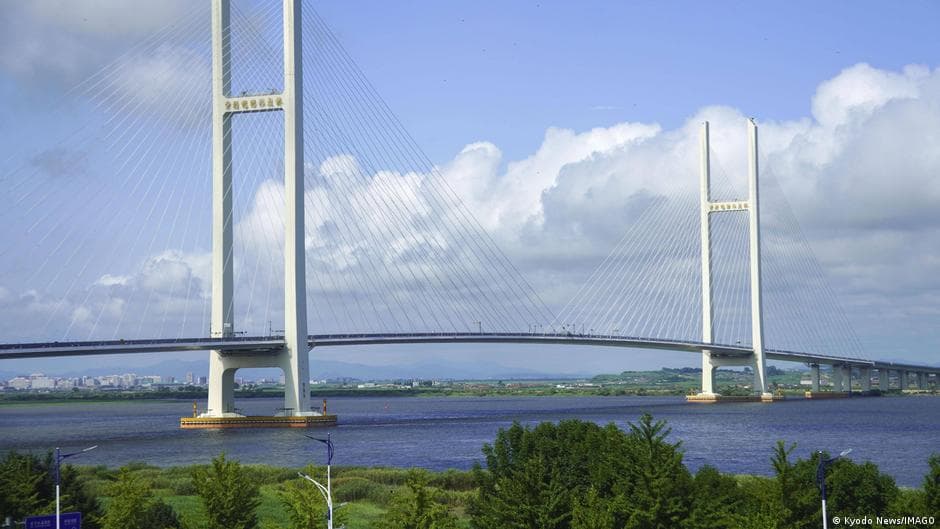
OPA WIRE, Sep 29 (OPA) — North Korea is poised to inaugurate the long-delayed New Yalu River Bridge, a massive infrastructure project connecting the trade hub of Sinuiju to China’s Dandong. After remaining dormant for over a decade, recent satellite analysis from the 38 North think tank confirms that Pyongyang has finally completed the necessary customs, immigration, and logistics facilities on its side of the border. The bridge is expected to open in early October, coinciding with the 77th anniversary of diplomatic relations between the two nations, marking a significant step in reviving cross-border commerce that had been severely restricted since the onset of the COVID-19 pandemic.
This development follows the September 7 opening of a new road bridge over the Tumen River, which provides a direct land route between North Korea’s Rason region and Russia’s Primorsky region. While the older Sino-Korean Friendship Bridge has long served as the primary artery for rail and road traffic, the new four-lane, 3,000-meter-long Yalu River span is designed to handle significantly higher freight volumes. These infrastructure upgrades represent a calculated shift in Pyongyang’s logistics strategy, aimed at modernizing its trade capabilities while simultaneously balancing its dependence on its two most powerful neighbors.
Historically, the New Yalu River Bridge project dates back to 2009, with construction beginning in 2011. Despite the bridge structure being completed in 2014, it remained unused for years due to North Korea’s failure to develop the necessary approach roads and customs infrastructure. Analysts suggest this delay was a deliberate choice by the Kim regime to maintain a degree of autonomy, avoiding an over-reliance on Beijing. By finally operationalizing these links, Pyongyang is signaling a cautious return to economic engagement, albeit under a highly centralized state-controlled trade framework.
The geopolitical implications of these bridges are profound. By strengthening ties with both Moscow and Beijing, Pyongyang is effectively diversifying its economic and diplomatic lifelines. This strategy allows North Korea to leverage its deepening military cooperation with Russia—highlighted by the provision of arms and personnel for the Ukraine conflict—against China’s desire to maintain its status as the North’s primary benefactor. This triangular dynamic provides Kim Jong Un with increased diplomatic leverage, potentially emboldening his stance toward South Korea and the United States.
Looking ahead, while the opening of these bridges is expected to accelerate trade recovery toward pre-pandemic levels, experts warn against anticipating an immediate economic boom. North Korea’s persistent foreign currency shortages and its increasingly centralized control over imports suggest that trade will remain strictly managed. Nevertheless, these infrastructure projects underscore a pivotal moment in North Korean foreign policy, as the nation seeks to integrate itself more deeply into regional supply chains while carefully navigating the competing interests of its strategic allies.
Subscribe to the Global Briefing
Receive our flagship executive dispatch every morning. Essential geopolitical analysis, financial benchmarks, and breaking world events delivered to your inbox.
Mohammad Karamali
Verified Wire ContributorSenior correspondent covering geopolitics, regional developments, and strategic international affairs for OPA News (Optimum Public Affairs).
Related Stories & Follow-ups
Editorial Wire


Reader Discussion
Leave a Comment
0 Comments
Owner
Editorial Oversight & Machine-Assisted Reporting
Human-in-the-Loop VerifiedEditorial Oversight & Machine-Assisted Reporting: This dispatch was synthesized and localized via OPA automated intelligence under continuous human editorial supervision.
Wire Source
This report was synthesized from DW English under journalistic fair use.