
Malaysia Faces International Scrutiny Over Repatriation of Myanmar Migrants
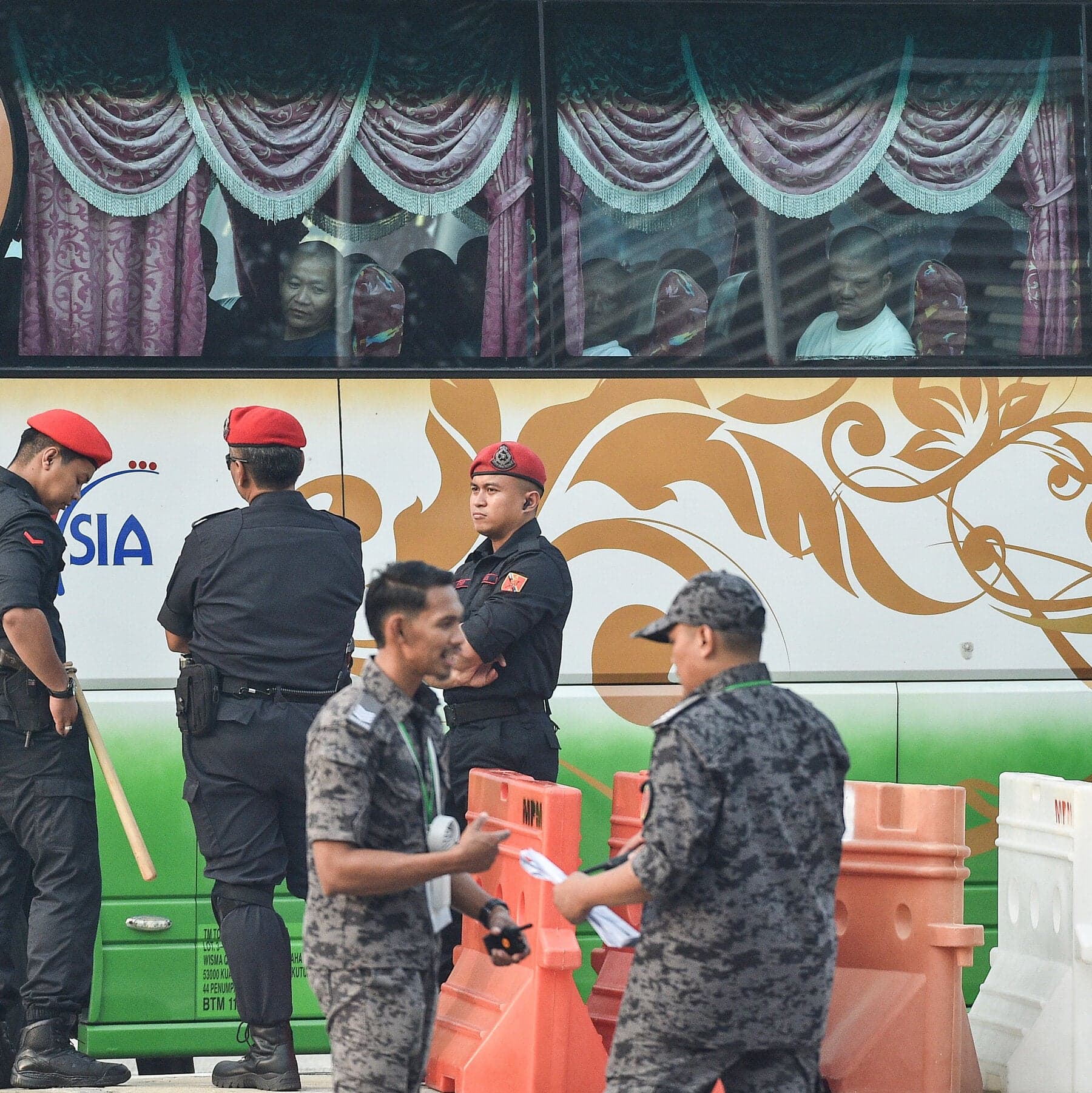
OPA WIRE, Sep 29 (OPA) — The Malaysian government has initiated a controversial repatriation program for undocumented migrants from Myanmar, asserting that the process is voluntary and intended to manage the nation's irregular migration crisis. However, the move has triggered a firestorm of criticism from international human rights organizations and regional observers, who argue that returning individuals to a nation currently embroiled in a brutal civil war and systemic political instability constitutes a grave violation of the principle of non-refoulement. The government maintains that it is working in coordination with relevant authorities to ensure the safety of those returning, yet the lack of transparency surrounding the vetting process remains a primary point of contention.
Quantifiable data regarding the scale of these repatriations remains opaque, though reports indicate that hundreds of individuals have already been processed through immigration detention centers. Human rights monitors estimate that thousands more remain in custody, awaiting potential deportation. The economic strain of maintaining detention facilities, coupled with the political pressure to address domestic labor market concerns, has accelerated the government's timeline for these removals. Despite these pressures, the absence of independent monitoring by the United Nations High Commissioner for Refugees (UNHCR) in these detention centers has left the international community unable to verify the voluntary nature of the departures.
This crisis is deeply rooted in the aftermath of the 2021 military coup in Myanmar, which decimated the country's democratic institutions and ignited widespread armed resistance. Malaysia, which has long served as a sanctuary for those fleeing persecution, has seen its immigration policy shift toward a more restrictive stance as the domestic political climate has hardened. The current situation reflects a broader regional trend where Southeast Asian nations are increasingly prioritizing national security and sovereignty over humanitarian obligations, often at the expense of vulnerable populations who have no viable path to legal status.
The ramifications of these repatriations are severe, extending beyond the immediate physical danger faced by the returnees. By facilitating these returns, Malaysia risks damaging its diplomatic standing and undermining regional efforts to find a peaceful resolution to the Myanmar conflict. Furthermore, the precedent set by these actions could embolden other nations in the region to adopt similar hardline policies, potentially triggering a humanitarian domino effect that would leave displaced persons with nowhere to turn. The legal and ethical implications of sending individuals back to a conflict zone are profound, challenging the commitment of ASEAN member states to human rights standards.
Looking ahead, the situation remains precarious as international pressure mounts on Kuala Lumpur to halt the deportations. The path forward requires a delicate balance between managing national borders and upholding international humanitarian law. Without a significant shift in policy or the involvement of international observers to ensure the safety of returnees, the cycle of forced migration and dangerous repatriation is likely to continue. The global community will be watching closely to see if Malaysia chooses to prioritize its international reputation and humanitarian duties over the immediate political expediency of mass deportation.
Subscribe to the Global Briefing
Receive our flagship executive dispatch every morning. Essential geopolitical analysis, financial benchmarks, and breaking world events delivered to your inbox.
Mohammad Karamali
Verified Wire ContributorSenior correspondent covering geopolitics, regional developments, and strategic international affairs for OPA News (Optimum Public Affairs).
Related Stories & Follow-ups
Editorial Wire


Reader Discussion
Leave a Comment
0 Comments
Owner
Editorial Oversight & Machine-Assisted Reporting
Human-in-the-Loop VerifiedEditorial Oversight & Machine-Assisted Reporting: This dispatch was synthesized and localized via OPA automated intelligence under continuous human editorial supervision.
Wire Source
This report was synthesized from New York Times under journalistic fair use.