
Nagyrév: The Hungarian village where hundreds of men were murdered by their wives
Key Takeaways
- Between 1911 and 1929, women in Nagyrév, Hungary, were accused of poisoning over 50 men with arsenic.
- The ringleader, midwife Zsuzsanna Fazekas, provided the poison as a 'solution' to domestic abuse and forced marriages.
- Eight women were sentenced to death, and some estimates suggest the total death toll in the region reached 300.
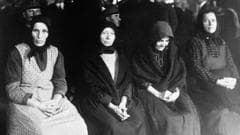
OPA WIRE, Sep 29 (OPA) — In the early 20th century, the remote Hungarian village of Nagyrév became the site of one of history's most chilling mass murder cases. Between 1911 and 1929, dozens of women were accused of systematically poisoning their husbands, fathers, and other male relatives using arsenic. This dark chapter, which shocked the nation and the world, centered on a group of women who became known as the 'Angel Makers,' operating under the influence of the local midwife, Zsuzsanna Fazekas.
Legal proceedings began in 1929, involving nearly 50 women who faced trial for the deaths of over 50 men. While the official death toll was significant, some estimates suggest the total number of victims in the region could reach 300. During the trials, testimonies revealed that the women were driven by a desperate desire to escape abusive marriages, sexual violence, and the rigid social constraints of a society where divorce was virtually impossible and women were often forced into arranged unions.
Historically, Nagyrév was an isolated community within the Austro-Hungarian Empire, lacking basic medical infrastructure. Zsuzsanna Fazekas arrived in the village in 1911 and quickly established herself as the sole provider of medical and reproductive services. Her influence grew as she learned the intimate secrets of the village women, eventually offering arsenic as a 'simple solution' to their domestic suffering. The crimes remained hidden for nearly two decades until an unusual spike in cemetery burials drew the attention of local authorities.
The ramifications of these events were profound, as the discovery of arsenic in exhumed bodies led to a series of high-profile trials. Eight women were sentenced to death, while others received life imprisonment. The case sparked intense debate regarding the motivations behind the killings, ranging from poverty and greed to the trauma of war and the desire for freedom after husbands returned from the front lines. The social structure of the village was permanently altered, and reports suggest that the treatment of women by their husbands improved significantly in the aftermath.
Expert analysis continues to explore the complexities of the Nagyrév case, noting that it remains a haunting example of how systemic oppression can lead to extreme violence. Historians like Géza Cseh emphasize that while the 'Angel Makers' were held accountable, the underlying issues of domestic abuse and lack of agency for women in that era were never fully addressed. Today, the village serves as a grim historical reminder of the consequences of a society that denies its members basic rights and legal recourse, leaving them trapped in cycles of violence.
Subscribe to the Global Briefing
Receive our flagship executive dispatch every morning. Essential geopolitical analysis, financial benchmarks, and breaking world events delivered to your inbox.
Mohammad Karamali
Verified Wire ContributorSenior correspondent covering geopolitics, regional developments, and strategic international affairs for OPA News (Optimum Public Affairs).
Related Stories & Follow-ups
Editorial Wire


Reader Discussion
Leave a Comment
0 Comments
Owner
Editorial Oversight & Machine-Assisted Reporting
Human-in-the-Loop VerifiedEditorial Oversight & Machine-Assisted Reporting: This dispatch was synthesized and localized via OPA automated intelligence under continuous human editorial supervision.
Wire Source
This report was synthesized from BBC Persian under journalistic fair use.