
Morocco: King appoints first woman prime minister
Key Takeaways
- Fatima Zahra Mansouri is the first woman to be appointed prime minister in Morocco's history.
- The PAM party won 97 of 395 parliamentary seats, though the election saw record-low voter turnout.
- Mansouri's primary challenges include managing 2030 World Cup investments and addressing national inflation.
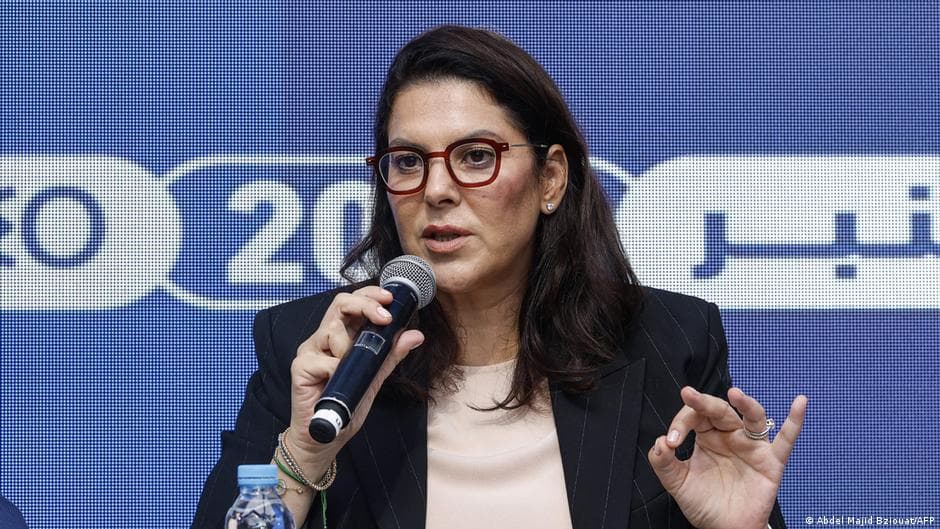
OPA WIRE, Sep 30 (OPA) — Fatima Zahra Mansouri has been appointed as Morocco's first female prime minister, a historic milestone announced by the royal cabinet on Tuesday. King Mohammed VI has officially tasked Mansouri with the formation of the next government, following her center-right Authenticity and Modernity Party (PAM) victory in the recent parliamentary elections. This appointment marks a significant shift in the North African nation's political landscape, as the country navigates a transition toward greater gender representation in its highest executive office.
The PAM secured 97 out of 395 seats in the House of Representatives, outperforming its closest rival by 31 seats. Despite the victory, the election process faced scrutiny due to the lowest voter turnout in two decades. Expressing her gratitude, Mansouri stated, "For the first time in our country's history, a woman is taking on the responsibility of leading the government. This is a source of pride not only for me but for all Moroccan women." She is now only the second woman in the Arab world to hold such a position, following Tunisia's Najla Bouden.
Mansouri’s political career is deeply rooted in local governance and party leadership. She previously served as the first female mayor of Marrakesh, first elected in 2009 and returning to the role in 2021. A member of the PAM since its inception in 2008, she has risen through the ranks to become a central figure in the party, which was originally established by royal adviser Fouad Ali El Himma to serve as a secular counterweight to Islamist political movements within the kingdom.
The incoming administration faces immediate pressure to address pressing socio-economic challenges, including high inflation, wage stagnation, and unemployment. Furthermore, Mansouri is expected to manage the massive infrastructure investments required for Morocco's co-hosting of the 2030 FIFA World Cup. While the PAM has expressed a willingness to form a broad coalition, several opposition groups, including the moderate Islamist Justice and Development party and the Federation of Democratic Left, have already signaled their intent to remain outside the government.
Looking ahead, political analysts suggest that Mansouri’s tenure will be defined by her ability to balance these ambitious economic goals with the high expectations of Morocco's youth. "We are fully aware that this period will be significant and marked by high expectations from Moroccans, particularly young people," Mansouri noted. Her success will likely depend on her capacity to implement concrete, realistic solutions that resonate with a disillusioned electorate, potentially setting a new precedent for governance in the region.
Subscribe to the Global Briefing
Receive our flagship executive dispatch every morning. Essential geopolitical analysis, financial benchmarks, and breaking world events delivered to your inbox.
Mohammad Karamali
Verified Wire ContributorSenior correspondent covering geopolitics, regional developments, and strategic international affairs for OPA News (Optimum Public Affairs).
Related Stories & Follow-ups
Editorial Wire


Reader Discussion
Leave a Comment
0 Comments
Owner
Editorial Oversight & Machine-Assisted Reporting
Human-in-the-Loop VerifiedEditorial Oversight & Machine-Assisted Reporting: This dispatch was synthesized and localized via OPA automated intelligence under continuous human editorial supervision.
Wire Source
This report was synthesized from DW English under journalistic fair use.