
Russia Expands Military Forces; Zelensky Reports New Mobilization Efforts
Key Takeaways
- Russia has increased its authorized military personnel to over 2.44 million, with 1.55 million active troops.
- President Zelensky reports that over 8,000 North Korean soldiers are currently in Russia, with 10,000 more in preparation.
- Russian military spending is projected to reach 17.1 trillion rubles next year, representing a 27% increase.
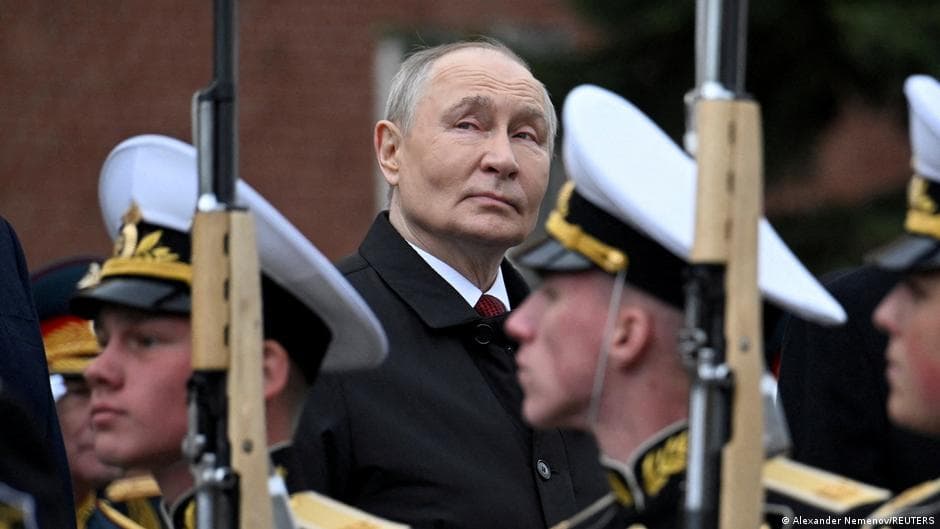
OPA WIRE, Sep 30 (OPA) — Russian President Vladimir Putin has signed a decree mandating an increase of 15,500 personnel in the country's armed forces. The official directive sets the total authorized strength of the Russian military at 2,441,630, with 1,550,500 of those serving as active military personnel. While the Kremlin has not provided a specific justification for this latest expansion, it follows a series of similar announcements made throughout March, June, and July of this year, signaling a sustained effort to bolster troop numbers amid the ongoing conflict in Ukraine.
Ukrainian President Volodymyr Zelensky has stated that Moscow has already initiated a new wave of mobilization. Citing intelligence reports, Zelensky noted that Russia is actively seeking to recruit foreign nationals to bolster its ranks. Furthermore, the Ukrainian leader highlighted the presence of North Korean troops in Russia, claiming that over 8,000 soldiers are currently stationed there, with preparations underway to deploy an additional 10,000 troops following specialized training. Zelensky asserted that Moscow is compensating Pyongyang through technology transfers, including technical support for the production of Shahed-type attack drones.
Speculation regarding a new mobilization in Russia has persisted for months, driven by the need to offset significant casualties sustained on the front lines in Ukraine. Although Putin has previously dismissed these concerns, the persistent expansion of military personnel suggests a strategic pivot. The involvement of North Korean forces marks a significant escalation, with Zelensky warning that the expansion of this 'evil' creates a global threat that transcends regional boundaries, effectively linking the security of Europe to the stability of the Indo-Pacific.
As the military buildup continues, Kyiv remains under constant threat, with recent reports indicating multiple explosions caused by drone and missile strikes. Meanwhile, Pope Francis has called for renewed diplomatic efforts to end the conflict, urging leaders from Russia, Ukraine, and other nations to engage in direct dialogue. However, many Western diplomats, including former German Ambassador to Moscow Rüdiger von Fritsch, remain skeptical of the possibility of negotiations, arguing that the Kremlin currently lacks any genuine intent to reach a peaceful resolution.
Looking ahead, the economic strain of this prolonged conflict is becoming increasingly apparent. Leaked government documents reveal that Russia plans to increase its military spending to 17.1 trillion rubles (approximately $202 billion) next year, a 27 percent increase from previous estimates. This surge in defense expenditure is expected to double the projected budget deficit to 3.2 percent of GDP by 2026. To manage these costs, the government is considering tax hikes on the mining and metals sectors, underscoring the long-term financial burden of the war on the Russian state.
Subscribe to the Global Briefing
Receive our flagship executive dispatch every morning. Essential geopolitical analysis, financial benchmarks, and breaking world events delivered to your inbox.
Mohammad Karamali
Verified Wire ContributorSenior correspondent covering geopolitics, regional developments, and strategic international affairs for OPA News (Optimum Public Affairs).
Related Stories & Follow-ups
Editorial Wire


Reader Discussion
Leave a Comment
0 Comments
Owner
Editorial Oversight & Machine-Assisted Reporting
Human-in-the-Loop VerifiedEditorial Oversight & Machine-Assisted Reporting: This dispatch was synthesized and localized via OPA automated intelligence under continuous human editorial supervision.
Wire Source
This report was synthesized from DW Persian under journalistic fair use.