
Bomb by Bomb, the Slow Death of My Hometown in Ukraine
Key Takeaways
- Kramatorsk, once considered a safe haven, is now suffering from a 40 percent increase in shelling intensity.
- Approximately 60 percent of the city's residential infrastructure has been damaged or destroyed.
- The ongoing destruction is viewed by analysts as a strategic effort to depopulate the region and break civilian morale.
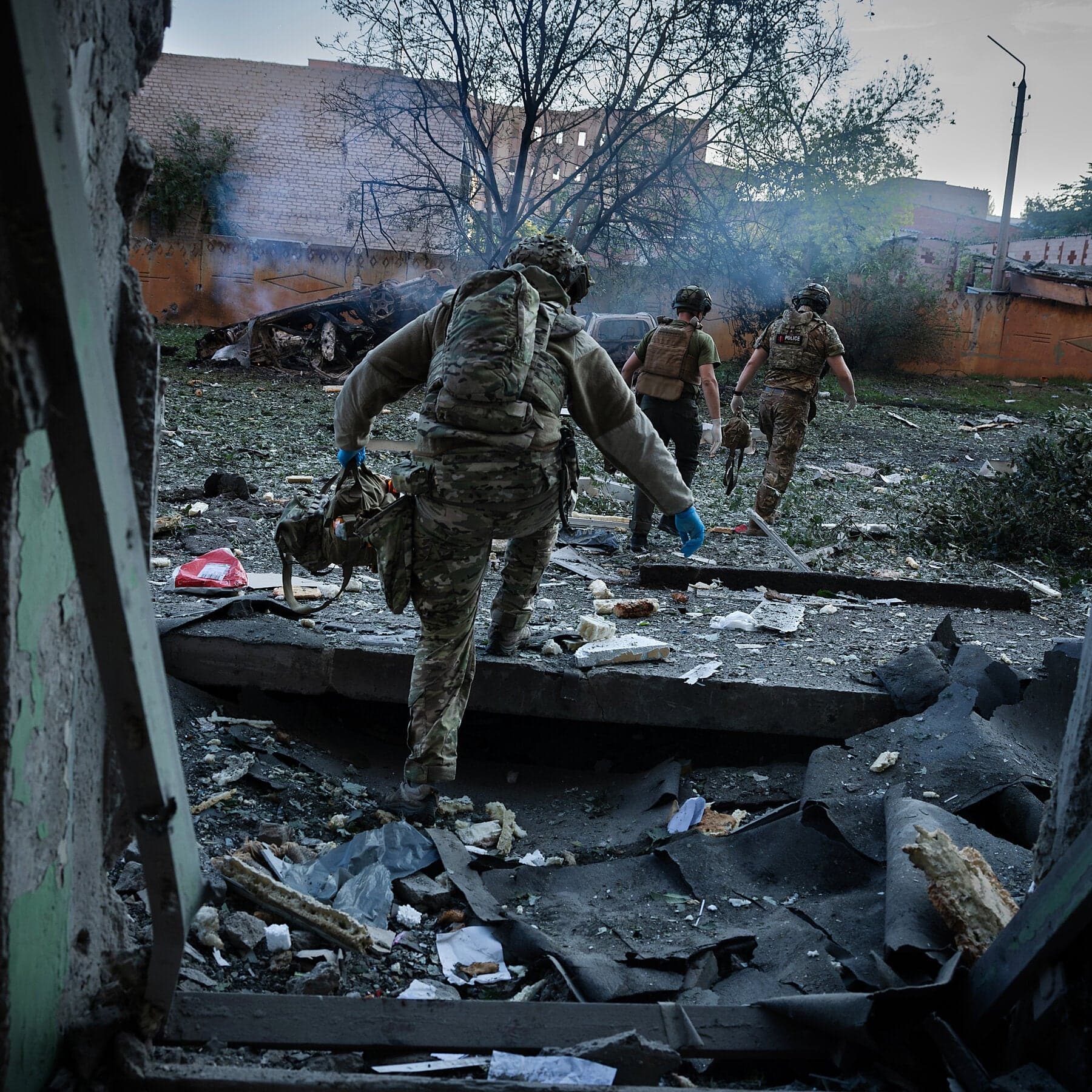
OPA WIRE, Sep 29 (OPA) — For a significant duration following the Russian invasion of Ukraine, residents of Kramatorsk held onto a fragile hope that their city, a vital industrial hub in the Donetsk region, might escape the worst of the devastation. This optimism, however, has been systematically dismantled by relentless artillery fire and targeted airstrikes that have transformed the urban landscape into a shadow of its former self. The slow, agonizing erosion of the city is not merely a matter of physical destruction but a profound psychological blow to those who call it home, as the familiar streets of their youth are erased by the cold mechanics of modern warfare.
Local authorities report that the intensity of the shelling has increased by over 40 percent in the last quarter, with civilian infrastructure bearing the brunt of the impact. 'Every day, we lose a piece of our history,' says a local municipal official, noting that essential services like water and electricity are now intermittent at best. The data suggests that nearly 60 percent of the city's residential buildings have sustained damage, ranging from shattered windows to total structural collapse, leaving thousands of families in a state of perpetual displacement and uncertainty regarding their future.
Kramatorsk has long served as a strategic and cultural anchor in eastern Ukraine, known for its heavy machinery production and its role as a regional administrative center. Historically, the city survived the turbulence of the 2014 conflict with relatively minor scars, which fostered a belief among its inhabitants that it could remain a sanctuary. This historical resilience, once a source of pride, now serves as a painful contrast to the current reality, where the front lines have crept closer, turning a once-thriving industrial heartland into a primary target for Russian military operations.
The ramifications of this destruction extend far beyond the immediate loss of property. The systematic targeting of Kramatorsk has triggered a mass exodus of the remaining population, severing social ties and dismantling the local economy. Families are forced to choose between the danger of staying in their ancestral homes or the trauma of becoming refugees in a foreign land. International observers warn that the erasure of such cities is a deliberate strategy to break the morale of the Ukrainian people, effectively turning the region into a desolate buffer zone devoid of civilian life.
Looking ahead, military analysts suggest that the fate of Kramatorsk is inextricably linked to the broader trajectory of the war. As the conflict enters a more attritional phase, the city faces the prospect of becoming a ghost town unless the security situation shifts dramatically. Experts argue that the reconstruction of such urban centers will require decades of investment and a complete cessation of hostilities, a prospect that remains elusive. The slow death of Kramatorsk serves as a grim microcosm of the war's broader toll, illustrating the high cost of sovereignty in the face of an unrelenting aggressor.
Subscribe to the Global Briefing
Receive our flagship executive dispatch every morning. Essential geopolitical analysis, financial benchmarks, and breaking world events delivered to your inbox.
Mohammad Karamali
Verified Wire ContributorSenior correspondent covering geopolitics, regional developments, and strategic international affairs for OPA News (Optimum Public Affairs).
Related Stories & Follow-ups
Editorial Wire


Reader Discussion
Leave a Comment
0 Comments
Owner
Editorial Oversight & Machine-Assisted Reporting
Human-in-the-Loop VerifiedEditorial Oversight & Machine-Assisted Reporting: This dispatch was synthesized and localized via OPA automated intelligence under continuous human editorial supervision.
Wire Source
This report was synthesized from New York Times under journalistic fair use.