
Live Updates: Clash in Cockpit Prompts Distress Signal on Israel-Bound Flight
Key Takeaways
- A commercial flight from Dubai to Tel Aviv made an emergency landing in Saudi Arabia following a cockpit altercation.
- Both Israeli and Saudi military forces scrambled fighter jets to intercept the aircraft due to hijacking concerns.
- All passengers are safe, and the crew members involved are currently under investigation by Saudi authorities.
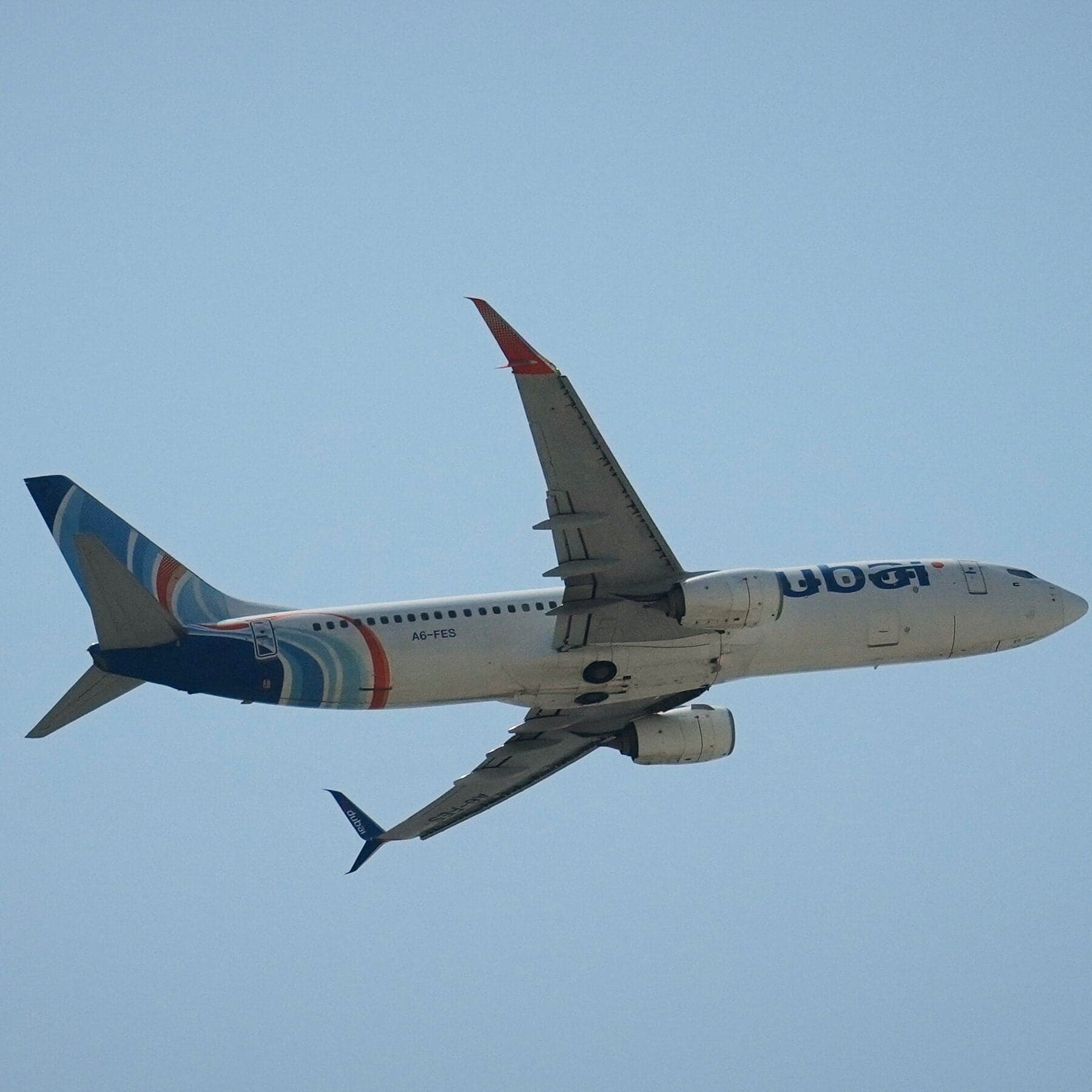
OPA WIRE, Sep 30 (OPA) — A commercial flight en route from Dubai to Tel Aviv triggered a high-stakes international security operation today after a physical altercation between crew members inside the cockpit forced the pilot to issue a distress signal. The incident, which occurred over Saudi Arabian airspace, prompted an immediate and coordinated response from both Israeli and Saudi military authorities, who scrambled fighter jets to intercept the aircraft amid fears of a potential hijacking or terrorist infiltration. The plane eventually made a safe emergency landing in Saudi Arabia, where local authorities took control of the situation to ensure the safety of all passengers and crew on board.
Preliminary reports indicate that the altercation involved a dispute over flight protocols, though specific details regarding the nature of the clash remain under investigation. Aviation officials confirmed that the distress signal was activated at approximately 14:00 local time, triggering automatic security protocols across the region. An airline spokesperson stated, 'The safety of our passengers remains our absolute priority, and we are cooperating fully with Saudi and Israeli authorities to determine the exact sequence of events that led to this emergency landing.' No injuries were reported among the passengers, though the crew members involved in the dispute are currently being held for questioning by Saudi security services.
This incident occurs against a backdrop of heightened geopolitical sensitivity in the Middle East, where airspace security is treated with extreme caution. Historically, flights between the United Arab Emirates and Israel have become more frequent following the Abraham Accords, yet the route remains subject to complex security oversight. The rapid deployment of fighter jets from both nations underscores the fragile nature of regional security cooperation, as both countries maintain robust defense postures to prevent unauthorized incursions or threats to civilian aviation. The event serves as a stark reminder of the complexities involved in managing cross-border transit in a region where diplomatic tensions often intersect with operational aviation safety.
The ramifications of this event are expected to be far-reaching, potentially impacting future flight corridors and security protocols for international carriers operating in the region. Passengers on the flight expressed confusion and terror as the aircraft deviated from its flight path, with many reporting that they were unaware of the cockpit dispute until the emergency landing was announced. International aviation bodies are now calling for a comprehensive review of cockpit security and crew management procedures to prevent similar incidents. Furthermore, the incident has sparked a flurry of diplomatic activity, with officials from both Israel and the UAE seeking to reassure the public that the event was an isolated operational failure rather than a broader security threat.
Looking ahead, analysts suggest that this incident will likely lead to stricter vetting processes for flight crews and enhanced communication protocols between regional air traffic control centers. While the immediate threat has been neutralized, the long-term consequences involve potential shifts in how Saudi Arabia manages its airspace for Israeli-bound traffic. Experts emphasize that the successful coordination between the Saudi and Israeli militaries, despite the lack of formal diplomatic ties in some sectors, demonstrates a pragmatic approach to regional security. Future investigations will focus on the psychological and professional stressors that contributed to the cockpit clash, with the aviation industry bracing for new regulatory mandates aimed at ensuring that such internal conflicts never again jeopardize the safety of commercial air travel.
Subscribe to the Global Briefing
Receive our flagship executive dispatch every morning. Essential geopolitical analysis, financial benchmarks, and breaking world events delivered to your inbox.
Mohammad Karamali
Verified Wire ContributorSenior correspondent covering geopolitics, regional developments, and strategic international affairs for OPA News (Optimum Public Affairs).
Related Stories & Follow-ups
Editorial Wire


Reader Discussion
Leave a Comment
0 Comments
Owner
Editorial Oversight & Machine-Assisted Reporting
Human-in-the-Loop VerifiedEditorial Oversight & Machine-Assisted Reporting: This dispatch was synthesized and localized via OPA automated intelligence under continuous human editorial supervision.
Wire Source
This report was synthesized from New York Times under journalistic fair use.