
Indian Pilot Stabbed on FlyDubai Flight Recalls Sudden Attack
Key Takeaways
- Captain Smit Machchhar successfully prevented a crash after being stabbed by his co-pilot mid-flight.
- The incident has triggered a global review of pilot mental health and cockpit security protocols.
- Aviation authorities are investigating the internal threat posed by crew members despite existing security measures.
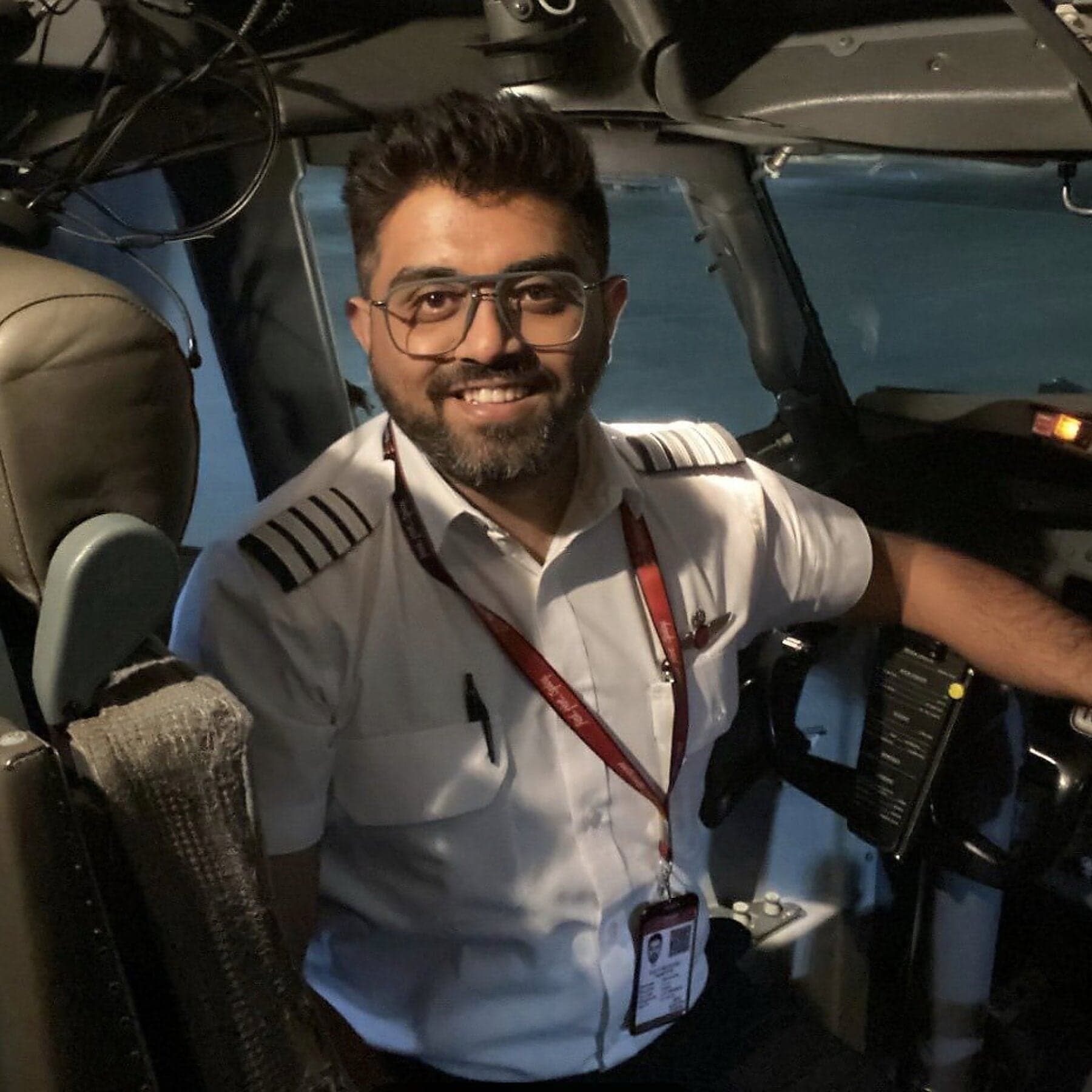
OPA WIRE, Oct 3 (OPA) — In a harrowing midair incident that has sent shockwaves through the aviation industry, Captain Smit Machchhar, an Indian pilot operating a FlyDubai flight from Dubai to Tel Aviv, was suddenly attacked and stabbed by his own co-pilot. The incident, which occurred at cruising altitude, forced Captain Machchhar to engage in a desperate struggle for control of the aircraft while grappling with severe physical injuries. Despite the life-threatening nature of the assault, the captain managed to maintain composure, ensuring the safety of the passengers and crew on board until the flight could be stabilized and diverted safely.
Official reports indicate that the altercation involved a sudden escalation of violence within the cockpit, leaving the captain with significant wounds. Captain Machchhar later recounted the terrifying moments, stating, "I had to act," emphasizing that his primary focus remained on preventing a catastrophic crash. Aviation authorities have confirmed that the co-pilot was immediately restrained following the incident. While the airline has not disclosed the specific motive behind the attack, the incident has prompted an immediate investigation into the mental health protocols and security vetting processes currently utilized by commercial airlines globally.
This event is particularly rare in modern commercial aviation, where cockpit security has been significantly tightened since the events of September 11, 2001. Historically, flight decks have been designed as impenetrable fortresses, with strict access controls to prevent unauthorized entry. However, this incident highlights a critical vulnerability: the potential for internal threats from within the flight crew itself. The aviation community is now grappling with the reality that even the most secure cockpit environments are susceptible to human volatility, raising questions about the efficacy of current psychological screening for pilots.
The ramifications of this attack extend far beyond the immediate trauma experienced by the passengers and crew. FlyDubai and other regional carriers are now facing intense scrutiny regarding their crew management and monitoring systems. Passengers have expressed widespread concern over the safety of air travel, leading to calls for increased surveillance within the cockpit. Furthermore, the incident has sparked a debate among labor unions and aviation regulators about the balance between pilot privacy and the necessity of monitoring crew behavior during long-haul flights to ensure operational safety.
Looking ahead, industry experts suggest that this incident will likely lead to a comprehensive overhaul of cockpit safety protocols. Future measures may include enhanced real-time biometric monitoring of pilots and the potential integration of advanced AI-driven systems capable of detecting erratic behavior or physical distress. While the aviation industry remains one of the safest modes of transportation, this incident serves as a stark reminder that human factors remain the most unpredictable variable. The long-term consequences will likely involve stricter regulatory mandates and a renewed focus on the mental well-being of flight crews worldwide.
Subscribe to the Global Briefing
Receive our flagship executive dispatch every morning. Essential geopolitical analysis, financial benchmarks, and breaking world events delivered to your inbox.
Mohammad Karamali
Verified Wire ContributorSenior correspondent covering geopolitics, regional developments, and strategic international affairs for OPA News (Optimum Public Affairs).
Related Stories & Follow-ups
Editorial Wire


Reader Discussion
Leave a Comment
0 Comments
Owner
Editorial Oversight & Machine-Assisted Reporting
Human-in-the-Loop VerifiedEditorial Oversight & Machine-Assisted Reporting: This dispatch was synthesized and localized via OPA automated intelligence under continuous human editorial supervision.
Wire Source
This report was synthesized from New York Times under journalistic fair use.