
Exiled Russian and Belarusian Journalists Leverage Satellites and Digital Platforms to Fight State Propaganda
Key Takeaways
- Exiled media use satellite broadcasts and YouTube to evade tracking and reach millions across Russia and Belarus.
- Moscow and Minsk continue to target dissidents with extensive prison sentences, in absentia rulings, and extremist designations.
- Reporters Without Borders' 2024 Svoboda satellite provides Russian-language independent reporting free from domestic digital surveillance.
OPA WIRE, Oct 5 (OPA) — Independent journalists from Russia and Belarus operating in exile are utilizing satellite broadcasts, YouTube, and messaging applications to circumvent aggressive state censorship and counter Kremlin and Minsk propaganda. Following relentless crackdowns on dissenting voices and harsh war censorship laws, media figures abroad are finding innovative channels to maintain direct connections with domestic audiences while operating under persistent cross-border threats from state security agencies.
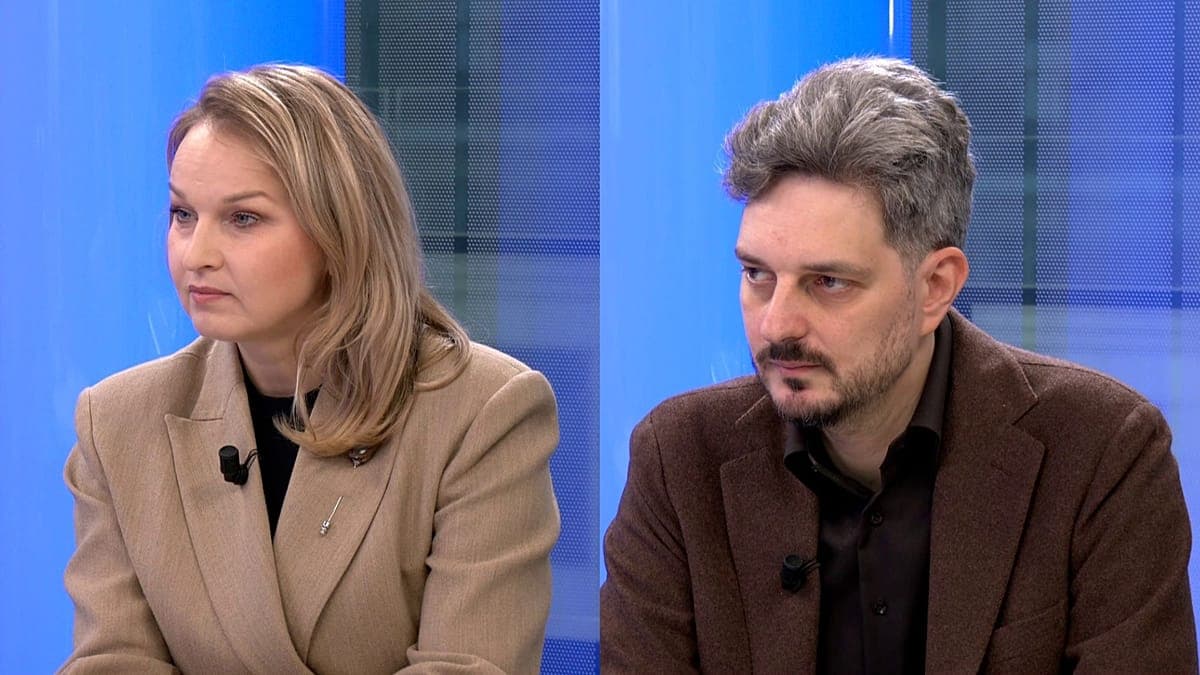
Alina Koushyk, editor-in-chief of the Poland-based Belsat TV, emphasized that satellite networks like the Svoboda satellite launched by Reporters Without Borders remain vital because viewers cannot easily be digitally traced. "Journalism is not a crime. For many years, I've been working just to say the truth, an alternative point of view," Koushyk noted, warning that Russian and Belarusian operatives operate openly in Europe. Meanwhile, exiled Russian YouTuber Maxim Katz, sentenced in absentia to eight years in prison, garners approximately one million daily views through YouTube and Telegram, arguing that reporting must address everyday Russian life: "If you want to talk with the Russian audience, you should talk as you would talk in a kitchen in St. Petersburg."
Both Minsk and Moscow have systematically criminalized independent reporting since the 2022 full-scale invasion of Ukraine. Russia enacted strict censorship legislation imposing up to 15 years imprisonment for criticizing military actions, while Belarus designated Belsat and other independent outlets as "extremist" organizations, subjecting staff and viewers to up to seven years in prison. Although recent diplomatic deals resulted in the release of select detainees like Katsyaryna Andreeva, journalists including Ihar Ilyash and Denis Ivashin remain incarcerated under President Alexander Lukashenko's administration.
Despite physical displacement and ongoing security challenges, exiled media organizations maintain that factual reporting and cultural preservation build societal resistance to authoritarian narratives. While Katz voiced concern that wartime atrocities could hinder Russia's reintegration with Europe even if Vladimir Putin's regime collapses, both he and Koushyk remain committed to eventually returning home to continue their journalistic missions on the ground.
Subscribe to the Global Briefing
Receive our flagship executive dispatch every morning. Essential geopolitical analysis, financial benchmarks, and breaking world events delivered to your inbox.
Mohammad Karamali
Verified Wire ContributorSenior correspondent covering geopolitics, regional developments, and strategic international affairs for OPA News (Optimum Public Affairs).
Related Stories & Follow-ups
Editorial Wire


Reader Discussion
Leave a Comment
0 Comments
Owner
Editorial Oversight & Machine-Assisted Reporting
Human-in-the-Loop VerifiedEditorial Oversight & Machine-Assisted Reporting: This dispatch was synthesized and localized via OPA automated intelligence under continuous human editorial supervision.
Wire Source
This report was synthesized from Euro News under journalistic fair use.