
Iran Executes Two Protesters Over Deadly Clashes in Isfahan
Key Takeaways
- Alireza Sepahi and Alireza Raeisi were executed over the deaths of four security officers in Isfahan.
- UN Special Rapporteur Mai Sato denounced systemic fair trial abuses, coerced confessions, and reported torture in the case.
- A total of 12 defendants were sentenced to death in the Alikhani Square case, with seven now executed.
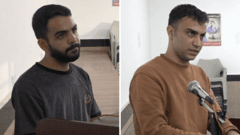
Iran's judiciary has executed two protesters, Alireza Sepahi and Alireza Raeisi, in connection with violent unrest that occurred at Alikhani Square in Malekshahr, Isfahan. Defense attorney Shahrzad Shahbazi confirmed the executions were carried out at dawn on Monday, following charges linked to the deaths of four security personnel during protests. State-linked outlets described Sepahi as the primary defendant in the case, accusing the pair of burning a member of the security forces alive.
International human rights organizations and UN officials have sharply criticized the judicial process, highlighting extensive procedural violations and the denial of fair trial guarantees. UN Special Rapporteur on human rights in Iran, Mai Sato, condemned the proceedings, stating that the case involved "serious concerns regarding the treatment of defendants and fair trial standards." Sato revealed allegations that Sepahi and his cousin were tortured in front of their families, while Sepahi’s appeal had initially been accepted before being summarily dismissed without a retrial.
The case stems from protests on January 8 (18 Dey), during which authorities allege that four Basij and law enforcement officers were surrounded and killed by demonstrators. Human rights monitors noted that out of 59 individuals originally detained, 12 were sentenced to death, with five other co-defendants—including Sepahi’s cousin—having been executed earlier. Sepahi's mother remains imprisoned under charges tied to the same file, underscoring the broad sweep of the security crackdown in the area.
Human Rights Watch has warned that Iran's expedited legal mechanisms frequently rely on coerced confessions and denial of chosen legal representation, compressing trials from arrest to execution in as little as a few weeks. Despite last-minute legal petitions and symbolic domestic gestures, Iranian authorities proceeded with the executions, reaffirming Tehran's strict reliance on capital punishment to deter public unrest and suppress anti-government demonstrations across regional urban centers.
Related Stories & Follow-ups
Editorial Wire World
WorldZelenskyy Claims Starlink Speed Restrictions Hamper Ukraine’s Ability to Intercept Russian Drones
 World
WorldZelenskyy Urges Action After Trump Pauses Sanctions on Russia Amid Escalating War
 World
WorldPalestinians Injured as Settler Attacks Intensify During Olive Harvest in West Bank
Reader Discussion
Leave a Comment
0 Comments
Owner
Editorial Oversight & Machine-Assisted Reporting
Human-in-the-Loop VerifiedEditorial Oversight & Machine-Assisted Reporting: This dispatch was synthesized and localized via OPA automated intelligence under continuous human editorial supervision.
Wire Source
This report was synthesized from BBC Persian under journalistic fair use.