
US Sanctions Target Iranian Aviation, Yet Boeing Aircraft Continues International Routes
Key Takeaways
- Iranian carriers continue operating international long-haul flights despite heavy U.S. sanctions.
- A Boeing jumbo jet remains active on routes between Tehran and Southeast Asian destinations.
- Iran maintains aging Western-built aircraft via third-party parts networks and domestic workarounds.
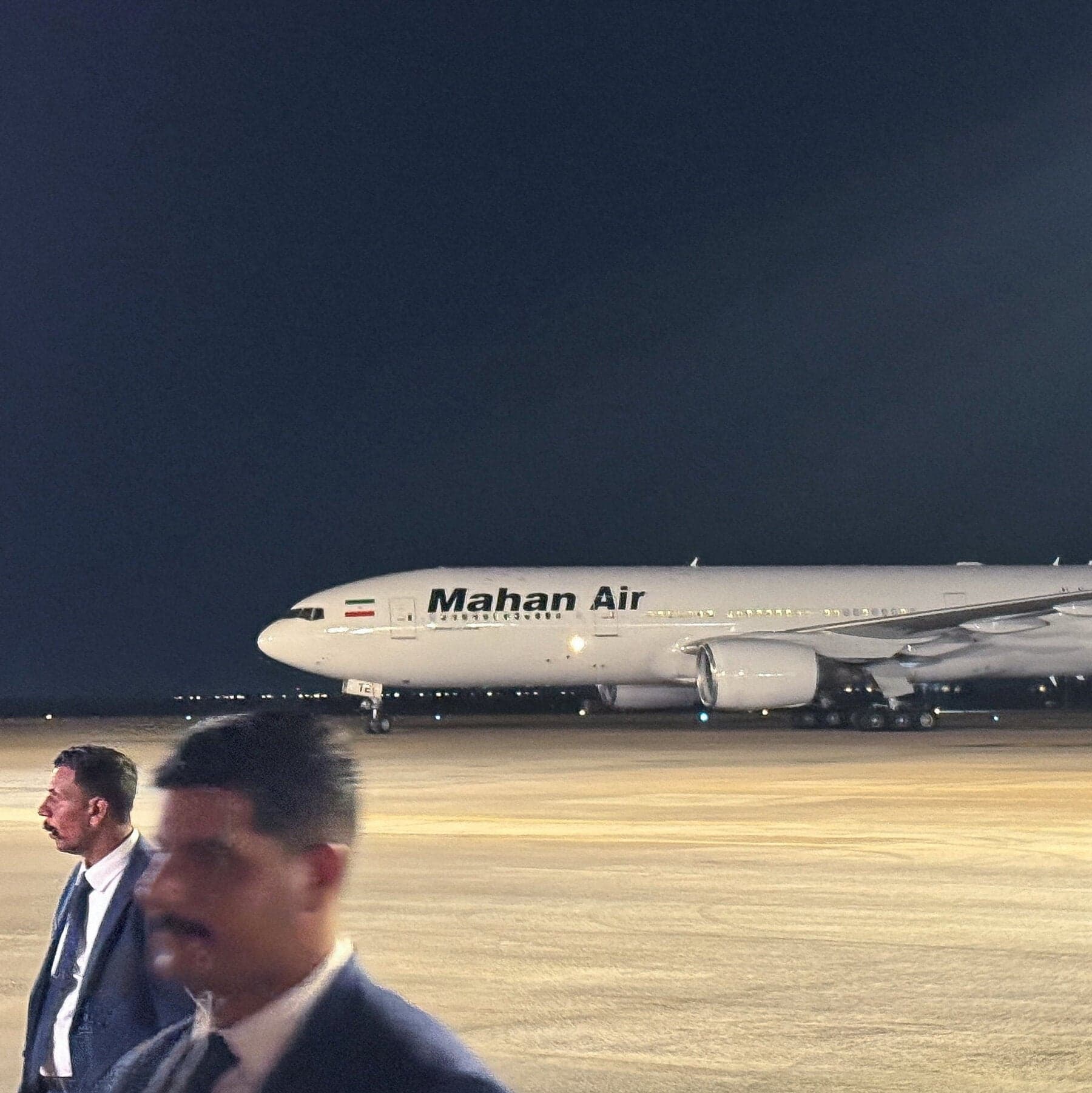
Despite stringent United States sanctions designed to effectively ground Iran's commercial aviation sector, Iranian passenger jets continue operating cross-border routes. Flight-tracking data confirms that an aging Boeing jumbo jet operated by an Iranian carrier regularly flies between Tehran and major destinations in Southeast Asia, revealing the persistent enforcement gaps in Washington’s comprehensive economic blockade against the Islamic Republic.
Trump administration officials previously stated that sanctions would shut down Iranian airlines by blocking access to spare parts, insurance, and international refueling services. However, independent aviation monitoring reveals that Iran’s commercial carriers continue finding maintenance workarounds. Analysts estimate that dozens of Western-built aircraft remain operational through informal procurement networks, utilizing second-hand parts and intermediaries in third-party nations to maintain airworthiness.
The persistence of these long-haul operations underscores the limitations of unilateral American sanctions on specialized, legacy industrial machinery. Washington has systematically blacklisted major Iranian carriers, including Iran Air and Mahan Air, alleging their logistics support for state-backed regional activities. In response, Iranian aviation authorities have relied on reverse-engineering, parts cannibalization, and complex global shell companies to procure aerospace equipment.
Looking ahead, Western regulators are expected to tighten secondary sanctions against international hubs providing maintenance and fuel to Iranian aircraft. Nevertheless, Tehran's ability to maintain routine flights to Asia illustrates a functional degree of operational resilience, posing a persistent challenge for United States enforcement agencies seeking to isolate Iran from global commercial transit networks.
Subscribe to the Global Briefing
Receive our flagship executive dispatch every morning. Essential geopolitical analysis, financial benchmarks, and breaking world events delivered to your inbox.
Related Stories & Follow-ups
Editorial Wire World
WorldZelenskyy Proposes Potential Meeting with Putin Amid Diplomatic Efforts
 World
WorldZelenskyy Claims Starlink Speed Restrictions Hamper Ukraine’s Ability to Intercept Russian Drones
 World
WorldZelenskyy Urges Action After Trump Pauses Sanctions on Russia Amid Escalating War
Reader Discussion
Leave a Comment
0 Comments
Owner
Editorial Oversight & Machine-Assisted Reporting
Human-in-the-Loop VerifiedEditorial Oversight & Machine-Assisted Reporting: This dispatch was synthesized and localized via OPA automated intelligence under continuous human editorial supervision.
Wire Source
This report was synthesized from New York Times under journalistic fair use.