
Far-Right Electoral Gains in Eastern Germany Leave Immigrant Communities Questioning Future
Key Takeaways
- The far-right AfD surged in Saxony-Anhalt, falling just three seats short of a regional majority.
- More than 27% of doctors in Saxony-Anhalt hospitals hold non-German citizenship, underscoring labor dependency.
- AfD plans to curb integration initiatives and restrict recruiting workers it designates as culturally foreign.
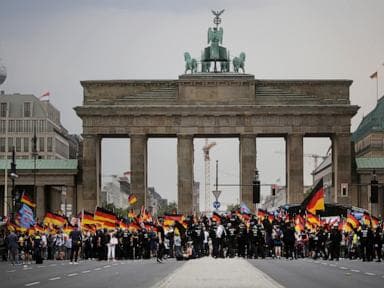
Following recent regional election gains by the far-right Alternative for Germany (AfD) in Saxony-Anhalt, immigrant and refugee communities across eastern Germany are grappling with growing uncertainty and heightened hostility. The anti-immigrant party achieved its strongest electoral result to date, falling just three seats short of an absolute majority in the 83-seat state legislature and sparking fears that it could lead a regional government for the first time since World War II. Migrants who arrived during previous humanitarian waves now report feeling increasingly unwelcome and unsafe in public spaces.
Migrant counseling centers in the region report an unprecedented surge in demand following the vote. "Counseling centers are extremely busy, the phones are ringing off the hook, and people are in great need of counseling and support," said Undra Dressler, executive director of the Saxony-Anhalt State Network of Migrant Organizations. Foreign-born professionals face distinct anxieties despite their essential economic roles. Data from Mediendienst Integration reveals that over 27% of hospital doctors in Saxony-Anhalt lack German citizenship, highlighting the state's reliance on foreign healthcare staff amid widespread demographic aging.
The shifting political climate marks a stark contrast to a decade ago, when Germany welcomed more than one million refugees under former Chancellor Angela Merkel. Persistent economic challenges, including sluggish growth, elevated energy costs, and inflation, have fueled voter frustration, which the 13-year-old AfD has successfully channeled beyond immigration concerns. The party has established itself as the leading opposition force nationally, leading multiple polls as the federal administration struggles to revive the economy.
Looking ahead, the AfD’s policy proposals include ending state-backed integration programs for foreign workers and curtailing the recruitment of candidates deemed culturally distinct, raising critical labor questions for the state. Academic experts warn that restricting international labor could exacerbate acute shortages in essential services. While some skilled migrants remain committed to staying and advocating for their rights, others are actively weighing relocation to other German states or returning to their countries of origin.
Subscribe to the Global Briefing
Receive our flagship executive dispatch every morning. Essential geopolitical analysis, financial benchmarks, and breaking world events delivered to your inbox.
Related Stories & Follow-ups
Editorial Wire World
WorldZelenskyy Claims Starlink Speed Restrictions Hamper Ukraine’s Ability to Intercept Russian Drones
 World
WorldZelenskyy Urges Action After Trump Pauses Sanctions on Russia Amid Escalating War
 World
WorldPalestinians Injured as Settler Attacks Intensify During Olive Harvest in West Bank
Reader Discussion
Leave a Comment
0 Comments
Owner
Editorial Oversight & Machine-Assisted Reporting
Human-in-the-Loop VerifiedEditorial Oversight & Machine-Assisted Reporting: This dispatch was synthesized and localized via OPA automated intelligence under continuous human editorial supervision.
Wire Source
This report was synthesized from ABC under journalistic fair use.