
US Aircraft Carrier and Guided-Missile Destroyer Depart Middle East Following Extended Deployment
Key Takeaways
- A US aircraft carrier and guided-missile destroyer have exited the Middle East theater.
- The repositioning follows extensive operational strains caused by prolonged regional deployment.
- The Pentagon maintains deterrence capabilities via allied forces and prospective rotational replacements.
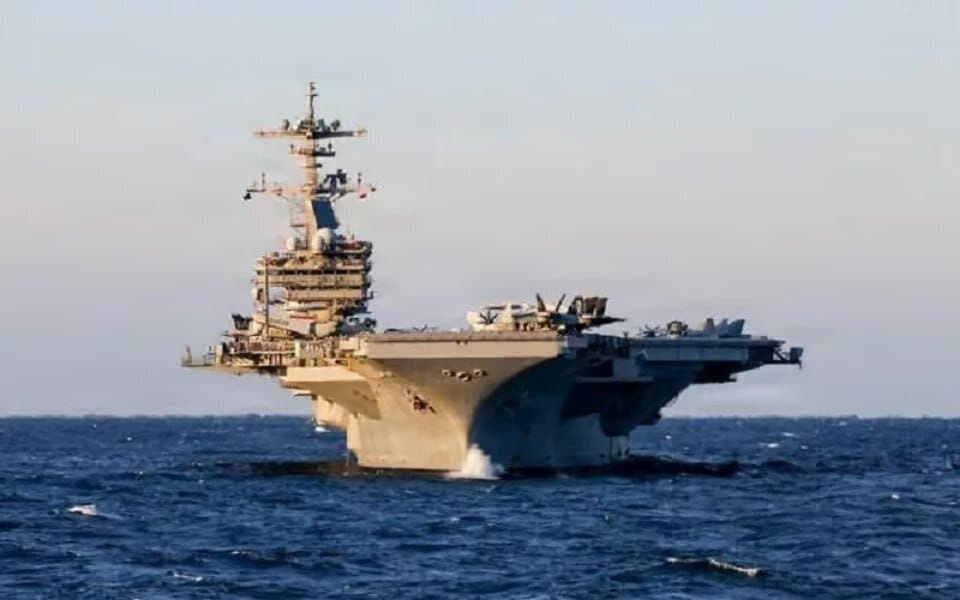
A United States Navy aircraft carrier and an accompanying guided-missile destroyer have officially departed the Middle East region, ending months of continuous operations. The redeployment comes as the Pentagon seeks to recalibrate its naval posture following an extended period of heightened readiness and operational strain. Defense officials confirmed that the strike assets have begun their transit out of the area after fulfilling consecutive operational extensions.
The strike group, which has maintained a vigilant posture across vital waterways such as the Red Sea and the Gulf of Oman, logged hundreds of operational flight hours and defensive engagements during its tour. Military analysts noted that prolonged missions place intense pressure on naval personnel, logistics, and vessel maintenance schedules. "The demands of continuous high-tempo maritime operations necessitate timely rotations to maintain fleet readiness," defense planners noted regarding the withdrawal.
The deployment was originally initiated to protect critical commercial maritime lanes and deter escalating regional hostilities amid broader Middle Eastern conflicts. Throughout their presence, the carrier and destroyer participated in multi-domain deterrence missions and coordinated closely with international coalition partners to secure vital choke points against asymmetric threats.
Looking ahead, the departure creates an operational gap that may be filled by incoming replacement assets or through remote standoff capabilities provided by allied forces. The Pentagon has emphasized that despite the rotation, Washington retains sufficient regional strike platforms and rapid-response units to address emerging security challenges across the theater.
Subscribe to the Global Briefing
Receive our flagship executive dispatch every morning. Essential geopolitical analysis, financial benchmarks, and breaking world events delivered to your inbox.
Related Stories & Follow-ups
Editorial Wire World
WorldZelenskyy Proposes Potential Meeting with Putin Amid Diplomatic Efforts
 World
WorldZelenskyy Claims Starlink Speed Restrictions Hamper Ukraine’s Ability to Intercept Russian Drones
 World
WorldZelenskyy Urges Action After Trump Pauses Sanctions on Russia Amid Escalating War
Reader Discussion
Leave a Comment
0 Comments
Owner
Editorial Oversight & Machine-Assisted Reporting
Human-in-the-Loop VerifiedEditorial Oversight & Machine-Assisted Reporting: This dispatch was synthesized and localized via OPA automated intelligence under continuous human editorial supervision.
Wire Source
This report was synthesized from ISNA under journalistic fair use.