
Iranian Court Sentences Ten Demonstrators to Death in Isfahan Protest Case
Key Takeaways
- Ten defendants received death sentences and six received prison terms of up to 25 years in the Isfahan Shohada Square case.
- None of the 16 defendants were formally charged with murder despite the case centering on the death of an IRGC member.
- Defendants and rights monitors reported severe physical torture and severe restrictions on legal counsel throughout the proceedings.
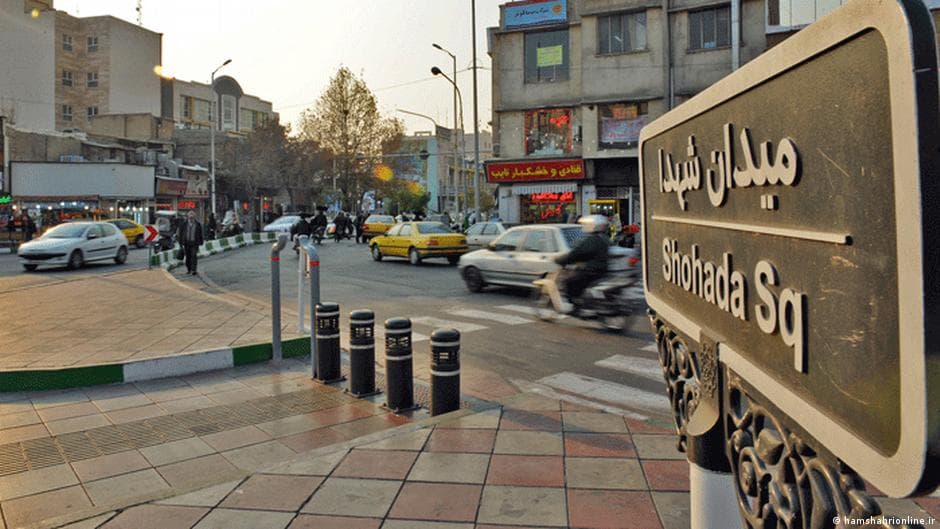
Branch One of the Isfahan Revolutionary Court has handed down preliminary death sentences to ten individuals and long prison terms to six others in connection with the "Shohada Square" protest case. The 16 defendants, predominantly young shopkeepers, retail employees, and their relatives from Isfahan's Shohada Street, were arrested between January and February following demonstrations. They are currently being held in Dastgerd and Dowlatabad prisons under charges of "moharebeh" (enmity against God), inciting war and bloodshed, assembly and collusion, and propaganda against the state.
Despite the case originating from the January 8 deaths of an Islamic Revolutionary Guard Corps (IRGC) member, Abbas Kamrani, and a homeless civilian, none of the defendants were formally indicted on direct murder charges. Rights advocate Mahshid Nazemi told Deutsche Welle that authorities subjected detainees to severe torture to force confessions. "In interrogations, they were severely tortured and told to confess to killing these individuals," Nazemi stated, noting that defendants testified to beatings with hoses, pipes, and electric shocks administered to their necks and genitals by the interrogator.
The accused were not prominent political activists but ordinary young workers, many under the age of 23 at the time of their arrest. Those sentenced to capital punishment include Taraneh Rahimi, Navid Elyasi, Ali Shahnani, Abolfazl Dadgostar Darabi, Ahmadreza Saeedi, Mehrdad Boveiri, Armin Gholami Gharibvand, Parsa Jafari, and Mehdi Jafari. Other defendants, including Milad Boveiri and Romina Rahimi, received prison sentences spanning up to 25 and 15 years, respectively, on allegations that included manufacturing unignited Molotov cocktails inside a local shoe store.
Defense attorneys faced severe procedural restrictions, with reports revealing that lawyers were denied full access to case files prior to preliminary hearings. Several defendants from low-income backgrounds remain entirely without legal representation as the sentences move toward judicial review. While several files have been forwarded for retrial requests following administrative delays, rights monitors warn that the absence of direct video evidence—despite surveillance coverage at the scene—underscores the arbitrary and rushed nature of the capital verdicts.
Subscribe to the Global Briefing
Receive our flagship executive dispatch every morning. Essential geopolitical analysis, financial benchmarks, and breaking world events delivered to your inbox.
Related Stories & Follow-ups
Editorial Wire World
WorldZelenskyy Proposes Potential Meeting with Putin Amid Diplomatic Efforts
 World
WorldZelenskyy Claims Starlink Speed Restrictions Hamper Ukraine’s Ability to Intercept Russian Drones
 World
WorldZelenskyy Urges Action After Trump Pauses Sanctions on Russia Amid Escalating War
Reader Discussion
Leave a Comment
0 Comments
Owner
Editorial Oversight & Machine-Assisted Reporting
Human-in-the-Loop VerifiedEditorial Oversight & Machine-Assisted Reporting: This dispatch was synthesized and localized via OPA automated intelligence under continuous human editorial supervision.
Wire Source
This report was synthesized from DW Persian under journalistic fair use.