
Russia Shifts Strategy to Winter Bombardment Campaign Against Ukrainian Infrastructure
Key Takeaways
- Russia is prioritizing aerial bombardment of energy infrastructure over ground-based territorial gains.
- The campaign aims to force submission by creating an untenable humanitarian crisis during winter.
- Ukraine's ability to withstand the winter depends heavily on Western-supplied air defense systems.
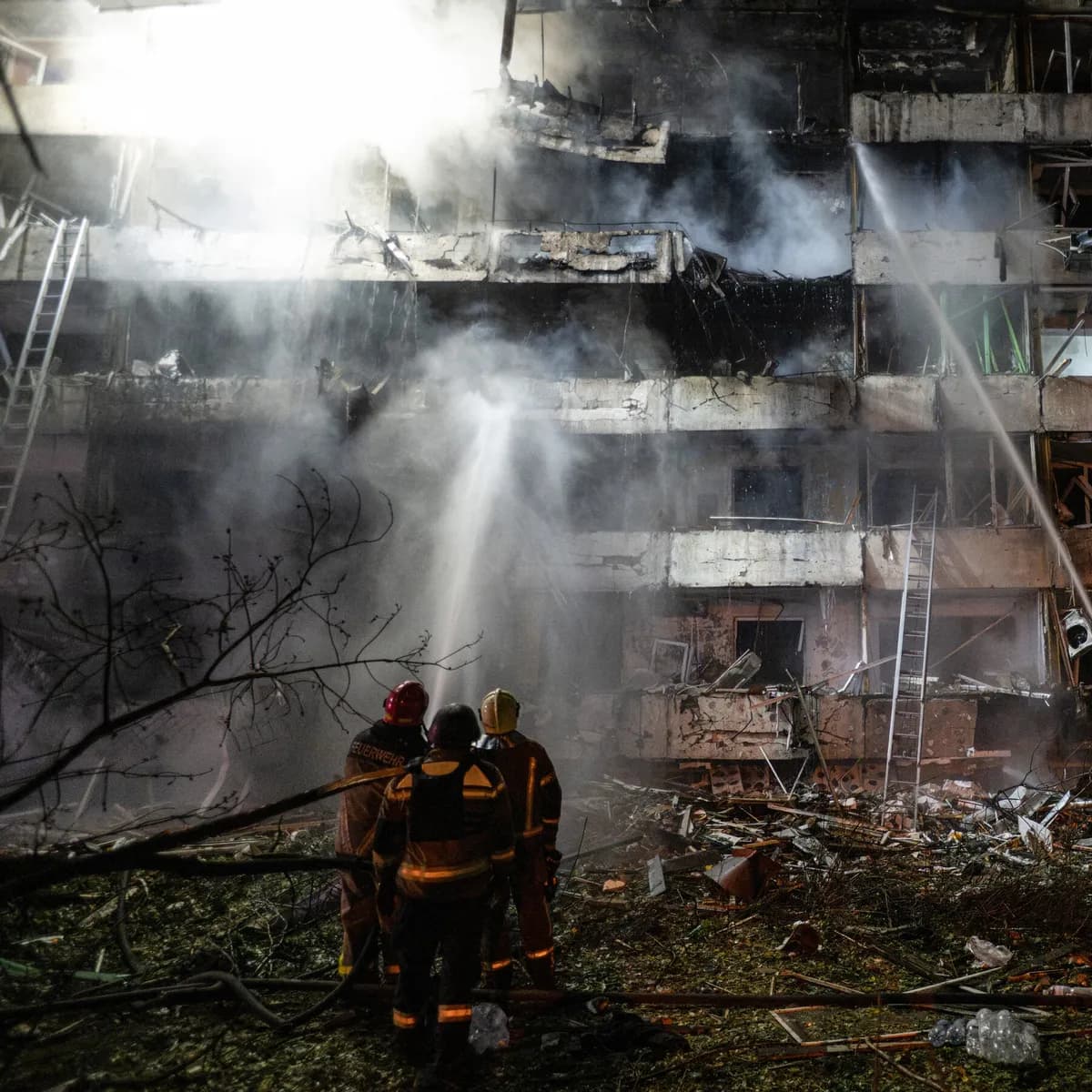
As the conflict in Ukraine enters a grueling winter phase, Moscow has pivoted its military strategy away from conventional battlefield gains toward a systematic campaign of aerial bombardment. Unable to secure decisive territorial breakthroughs on the front lines, Russian forces are increasingly targeting Ukraine’s critical energy infrastructure and urban centers. This shift aims to inflict widespread human suffering and degrade the nation's capacity to sustain itself during the freezing winter months, effectively attempting to bomb the country into submission through attrition.
Military analysts note that the campaign relies heavily on a combination of long-range missiles and Iranian-designed drones, which are deployed to overwhelm Ukrainian air defense systems. While specific casualty figures remain fluid, the impact on the power grid has been profound, with millions of civilians facing intermittent electricity, heating, and water shortages. "The goal is clear: to make life in Ukrainian cities untenable," one defense expert stated, emphasizing that the strategy is designed to break the collective morale of the population rather than engage in traditional military maneuvers.
This tactical evolution follows months of stalled progress for Russian ground forces, who have faced significant logistical challenges and stiff resistance from Ukrainian troops. By focusing on the rear-guard infrastructure, Moscow seeks to force Kyiv into a position of weakness, hoping that the humanitarian crisis will compel political concessions. The strategy mirrors previous winter campaigns, yet the current intensity reflects a desperate attempt to regain strategic initiative in a war that has largely devolved into a stalemate.
Looking ahead, the effectiveness of this bombardment campaign remains contingent on the resilience of Ukraine’s energy grid and the continued supply of Western-provided air defense systems. As temperatures drop, the international community faces mounting pressure to bolster Ukraine’s defensive capabilities to mitigate the humanitarian fallout. The coming months are expected to be a critical test of endurance, as both sides prepare for a winter defined by the brutal realities of energy warfare and the struggle to maintain essential services under constant threat.
Related Stories



Reader Discussion
Leave a Comment
0 Comments
Owner
Editorial Oversight & Machine-Assisted Reporting
Human-in-the-Loop VerifiedEditorial Oversight & Machine-Assisted Reporting: This dispatch was synthesized and localized via OPA automated intelligence under continuous human editorial supervision.
Wire Source
This report was synthesized from New York Times under journalistic fair use.