
Ultra-Orthodox Conscription Dispute Deepens Social Fractures in Israel
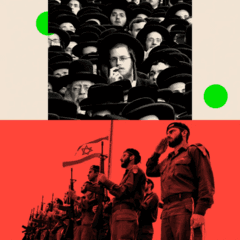
Key Takeaways
- Ultra-Orthodox Jews currently comprise approximately 14% of Israel's population.
- The state provides an estimated 35 billion shekels annually in subsidies for religious study.
- Public support for ending Haredi military exemptions has surged during the ongoing Gaza conflict.
OPA WIRE, Oct 26 (OPA) — Tensions between Israel’s secular majority and the Ultra-Orthodox community have reached a breaking point, manifesting in frequent clashes between Haredi protesters and military police. The conflict centers on the end of a historic exemption that allowed Haredi men to avoid mandatory military service to focus exclusively on religious studies. As the Israel Defense Forces face sustained personnel shortages following the events of October 7, public pressure to end these exemptions has intensified across the political spectrum.
Ultra-Orthodox Jews now account for approximately 14% of Israel's population, a figure projected to reach one-third of the Jewish population by 2050. The state currently provides an estimated 35 billion shekels annually in subsidies to support this community, fueling resentment among secular taxpayers who bear the burden of extended reserve duty. Political analyst Dahlia Scheindlin notes that the issue has become a flashpoint for right-wing voters, who view the exemption as an evasion of national responsibility during a period of existential conflict.
Religious leaders, including Rabbi Dov Landau, maintain that Torah study provides essential spiritual protection for the state. They argue that military service would alienate young men from their traditions and threaten the survival of Jewish identity. This stance remains deeply unpopular with the broader public, as polling shows a significant increase in support for universal conscription since the outbreak of the war in Gaza. The military, meanwhile, continues to struggle with the logistical strain of maintaining a draft-based force while reservists are deployed for hundreds of days.
Prime Minister Benjamin Netanyahu faces a precarious political future as he attempts to balance the demands of his Haredi coalition partners against mounting public anger. Because no single political bloc currently holds a clear majority, the support of small religious parties remains essential for his government's survival. This reliance forces the administration to navigate a volatile domestic landscape where the traditional social contract between the state and the Ultra-Orthodox community is rapidly unraveling.
Subscribe to the Global Briefing
Receive our flagship executive dispatch every morning. Essential geopolitical analysis, financial benchmarks, and breaking world events delivered to your inbox.
Mohammad Karamali
Verified Wire ContributorSenior correspondent covering geopolitics, regional developments, and strategic international affairs for OPA News (Optimum Public Affairs).
Related Stories & Follow-ups
Editorial Wire
Reader Discussion
Leave a Comment
0 Comments
Owner
Editorial Oversight & Machine-Assisted Reporting
Human-in-the-Loop VerifiedEditorial Oversight & Machine-Assisted Reporting: This dispatch was synthesized and localized via OPA automated intelligence under continuous human editorial supervision.
Wire Source
This report was synthesized from BBC Persian under journalistic fair use.