
Pakistan-Iran Border Crossings Partially Reopen Following Week-Long Trade Stoppage
Key Takeaways
- Pakistan suspended trade at Gabd-Rimdan and Taftan-Mirjaveh crossings on October 17, 2026.
- The disruption was caused by the revocation of an electronic import form exemption for Iranian goods.
- LPG prices in Pakistan's Balochistan province rose significantly due to the supply chain interruption.
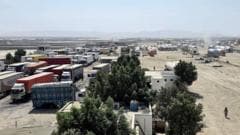
OPA WIRE, Oct 26 (OPA) — Trade at the Gabd-Rimdan border crossing resumed Saturday following a seven-day suspension that left thousands of trucks stranded on both sides of the frontier. The closure, which began on October 17, 2026, followed a decision by the Pakistani Ministry of Commerce to revoke a temporary exemption on electronic import forms for goods entering from Iran. While the Gabd-Rimdan crossing is now operational for specific shipments, the Taftan-Mirjaveh crossing remains subject to significant operational constraints.
Official data indicates that the disruption has created a massive backlog, with the Quetta Chamber of Commerce estimating that nearly 2,000 trucks were stuck at the border. Iranian reports suggest the congestion at the Rimdan crossing was even more severe, with approximately 3,000 vehicles awaiting clearance. Pakistani officials, including representatives from the Balochistan provincial government, characterized the measures as necessary security and anti-smuggling protocols. Conversely, Iranian Foreign Ministry spokesperson Esmaeil Baghaei attributed the delays to technical issues and ongoing administrative negotiations between the two nations.
Economic ties between the neighbors remain well below their $10 billion annual target, with current estimates placing bilateral trade between $1 billion and $1.3 billion. Iran’s exports to Pakistan are heavily concentrated in energy products, including liquefied petroleum gas (LPG), bitumen, and butane, which account for roughly 62% of its shipments. In return, Pakistan supplies Iran with agricultural goods and livestock, such as rice, meat, and seasonal fruits, representing approximately 70% of its exports to the Islamic Republic.
The impact of the border restrictions was immediate, particularly regarding energy security in Pakistan. According to industry reports, the halt in Iranian LPG imports caused the price of a 12-kilogram gas cylinder in Balochistan to surge from 4,500 to 7,000 rupees within days. As diplomatic discussions continue, Iranian Ambassador to Pakistan Reza Amiri-Moghaddam stated that Tehran maintains no restrictions on exports, placing the burden of the current trade bottleneck on Islamabad’s revised import documentation requirements.
Subscribe to the Global Briefing
Receive our flagship executive dispatch every morning. Essential geopolitical analysis, financial benchmarks, and breaking world events delivered to your inbox.
Mohammad Karamali
Verified Wire ContributorSenior correspondent covering geopolitics, regional developments, and strategic international affairs for OPA News (Optimum Public Affairs).
Related Stories & Follow-ups
Editorial Wire


Reader Discussion
Leave a Comment
0 Comments
Owner
Editorial Oversight & Machine-Assisted Reporting
Human-in-the-Loop VerifiedEditorial Oversight & Machine-Assisted Reporting: This dispatch was synthesized and localized via OPA automated intelligence under continuous human editorial supervision.
Wire Source
This report was synthesized from BBC Persian under journalistic fair use.