
Bolivia Declares National Emergency as El Niño Triggers Drought and Flood Risks
Key Takeaways
- President Rodrigo Paz declared a national emergency on October 31, 2026.
- At least 78,200 families are affected by drought across seven departments.
- The emergency decree covers the 2026-2027 period, targeting risks like floods, droughts, and forest fires.
OPA WIRE, Nov 2 (OPA) — Bolivian President Rodrigo Paz issued a state of emergency decree on October 31 to accelerate the deployment of financial and human resources in response to the El Niño climate phenomenon. The government move seeks to streamline coordination between national institutions and international partners to mitigate the impact of anticipated extreme weather events across the country.
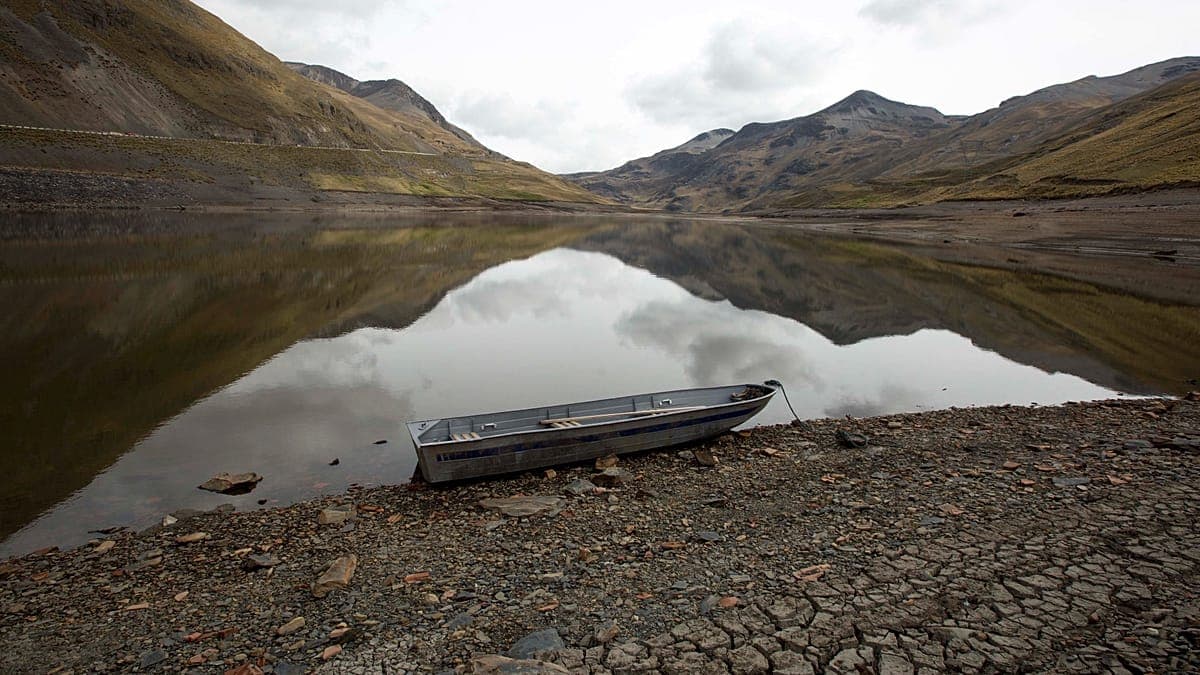
Data from the Vice Ministry of Civil Defence indicates that 78,200 families are currently grappling with severe water shortages. The drought has hit seven departments, including La Paz, Oruro, Potosí, Cochabamba, Chuquisaca, Tarija, and Santa Cruz. Officials confirmed that 63 communities have already formally declared a state of drought, while others are bracing for potential flooding as weather patterns shift.
"Unlike in other years, when we waited for this blow from the environment to arrive, we have taken a decision to pool financial and human resources to deal with this phenomenon," Paz said in a public address. The president warned that the nation faces a volatile period characterized by a combination of extreme rainfall in some regions and prolonged dry spells in others, necessitating a unified response from public administrations and citizens alike.
The emergency decree covers the 2026-2027 period and addresses risks including frosts, hailstorms, forest fires, and river overflows. El Niño, driven by the warming of equatorial Pacific waters, remains a primary concern for the government due to its potential to disrupt agricultural production and livestock stability. The administration intends to use the emergency status to strengthen support for the most vulnerable communities as the climate cycle progresses.
Subscribe to the Global Briefing
Receive our flagship executive dispatch every morning. Essential geopolitical analysis, financial benchmarks, and breaking world events delivered to your inbox.
Mohammad Karamali
Verified Wire ContributorSenior correspondent covering geopolitics, regional developments, and strategic international affairs for OPA News (Optimum Public Affairs).
Related Stories & Follow-ups
Editorial Wire

Reader Discussion
Leave a Comment
0 Comments
Owner
Editorial Oversight & Machine-Assisted Reporting
Human-in-the-Loop VerifiedEditorial Oversight & Machine-Assisted Reporting: This dispatch was synthesized and localized via OPA automated intelligence under continuous human editorial supervision.
Wire Source
This report was synthesized from Euro News under journalistic fair use.