
Early Polar Vortex Disruption Raises Prospect of Severe Winter Cold in Europe
Key Takeaways
- An unusually early weakening of the polar vortex has been observed in November 2026.
- Northern and central Europe, Scandinavia, the British Isles, Germany, and Poland face potential cold spells.
- Professor Andrew Charlton-Perez noted that such early sudden stratospheric warming is unprecedented in modern records.
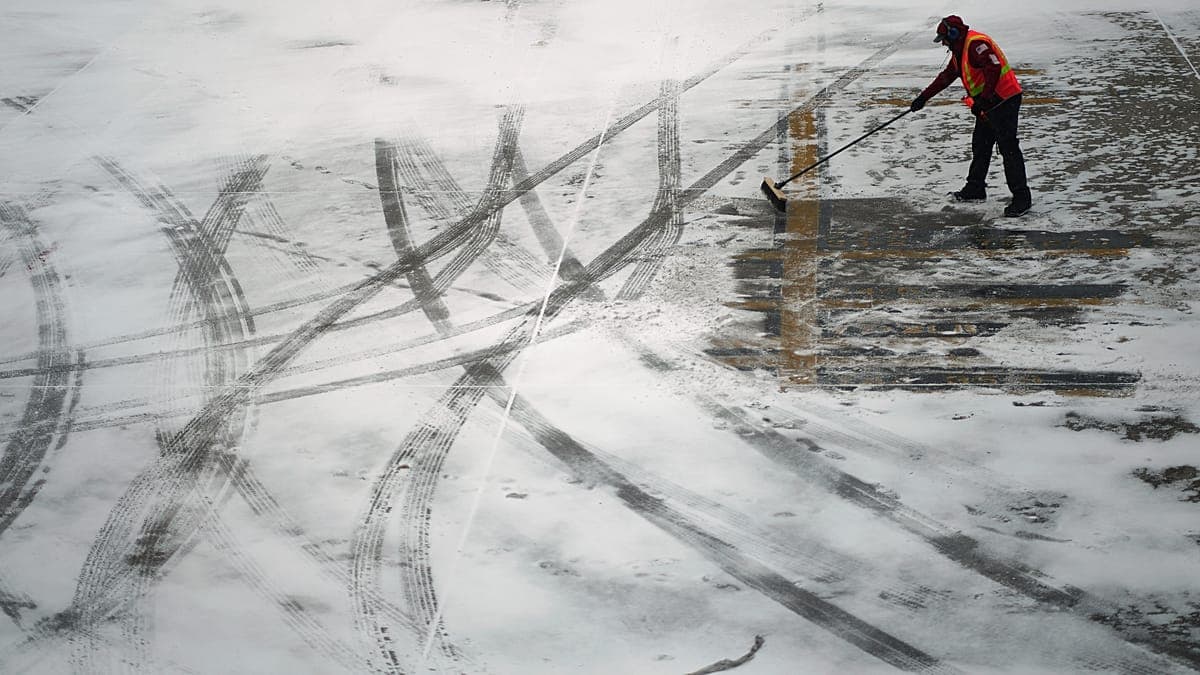
OPA WIRE, Nov 6 (OPA) — Meteorologists are monitoring an unusually early weakening of the polar vortex, a vast circulation of cold air above the Arctic, raising the possibility of colder weather across parts of Europe, North America, and Asia in the weeks ahead. The disruption could increase the likelihood of colder spells across northern and central Europe, including parts of Scandinavia, the British Isles, Germany, and Poland. The phenomenon normally strengthens throughout autumn, reaching its peak around January before gradually weakening towards the end of winter. Major disruptions, which can allow Arctic air to move further south, typically occur between January and March.
This year, however, scientists have observed signs of disruption as early as November, an unprecedented development in modern meteorological records. Professor Andrew Charlton-Perez, a meteorologist at the University of Reading, said in an expert commentary published by the university that scientists had never observed a sudden stratospheric warming so early in the season. The polar vortex is a large area of low pressure and extremely cold air circulating high above the Arctic. When it weakens or becomes displaced, the jet stream can become distorted, potentially allowing cold Arctic air to spill into lower latitudes.
Its effects can take several weeks to reach the lower atmosphere, where weather systems develop, and the eventual impact depends on the position of high- and low-pressure systems. Scientists are also examining the possible influence of the strong El Niño developing in the Pacific, which can affect atmospheric circulation and contribute to disturbances in the polar vortex. Climate change has also been raised as a possible factor influencing some of the atmospheric processes involved, although no direct link to the current exceptionally early disruption has been established.
For now, meteorologists are continuing to monitor developments, with the coming weeks expected to provide a clearer indication of whether the disturbance will translate into significant changes in winter weather across the Northern Hemisphere. The ultimate severity of the weather impact remains contingent upon how atmospheric pressure systems align as the winter season progresses.
Subscribe to the Global Briefing
Receive our flagship executive dispatch every morning. Essential geopolitical analysis, financial benchmarks, and breaking world events delivered to your inbox.
Mohammad Karamali
Verified Wire ContributorSenior correspondent covering geopolitics, regional developments, and strategic international affairs for OPA News (Optimum Public Affairs).
Related Stories & Follow-ups
Editorial Wire
Reader Discussion
Leave a Comment
0 Comments
Owner
Editorial Oversight & Machine-Assisted Reporting
Human-in-the-Loop VerifiedEditorial Oversight & Machine-Assisted Reporting: This dispatch was synthesized and localized via OPA automated intelligence under continuous human editorial supervision.
Wire Source
This report was synthesized from Euro News under journalistic fair use.