
Trump Weighs Iran Strategy Amid Midterm Fallout and Rising Conflict Pressures
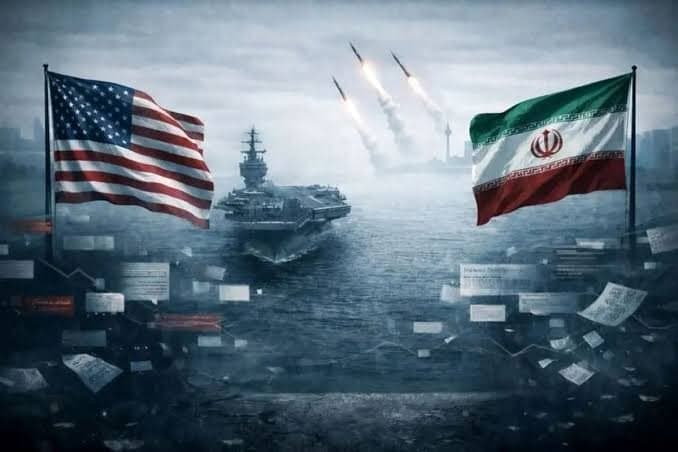
Key Takeaways
- International mediators are pushing to shorten preliminary negotiation timelines from 60 days to two days to secure a diplomatic settlement.
- US advisers remain split, with defense officials supporting renewed military action while diplomats push for negotiations and the reopening of the Strait of Hormuz.
- Iran states its military forces are more resilient and maintains restrictions on the strategic Strait of Hormuz until demands are met.
TEHRAN, Nov 7 (OPA) — International diplomatic efforts intensified on Saturday to prevent a major resumption of hostilities following months of deadlock in the US-Israeli military campaign against Iran that began in late February. Foreign mediators engaged regional leaders, including the Emir of Qatar, to advance a proposal that would condense preliminary negotiation timelines from 60 days to two days. The diplomatic push comes as Trump navigates domestic political fallout from the recent midterm elections, where the ongoing military conflict weighed heavily on voters and shifted congressional dynamics.
Within Washington, advisers remain deeply divided over the path forward. Defense Secretary Pete Hegseth and CENTCOM commander Admiral Brad Cooper have voiced support for returning to large-scale military operations, while Secretary of State Marco Rubio and Treasury Secretary Scott Bessent emphasize tightening sanctions and enforcing trade blockades. Conversely, figures such as Steve Witkoff advocate for diplomatic settlements to reopen the vital Strait of Hormuz, through which roughly one-fifth of the world's oil is consumed. Israeli Prime Minister Benjamin Netanyahu continues pressing for fresh strikes, while Gulf allies urge caution.
Iran maintains that its armed forces have grown stronger and more resolute since the outbreak of the conflict. Iranian military spokesperson Mohammad Akraminia asserted that Tehran controls the strategic waterway and that traffic will remain restricted until US demands are met, warning of immediate and unconstrained responses to further aggression. Iranian President Masoud Pezeshkian reiterated his administration's official stance that the government continues to seek a resolution through dialogue. Meanwhile, analysts warn that prolonged military posturing risks severe regional destabilization and prolonged high energy costs.
The strategic deadlock has also amplified concerns regarding nuclear proliferation and military escalation. Reports indicate that Washington and Israel have examined high-risk options targeting underground facilities, drawing sharp criticism from lawmakers such as Senator Chris Murphy, who described Pentagon proposals as erratic. Regional analysts note that maintaining the status quo risks cementing a permanent state of conflict in the Gulf, leaving international actors racing against a rapidly narrowing window for a diplomatic off-ramp as the USS Theodore Roosevelt carrier strike group approaches the region.
Subscribe to the Global Briefing
Receive our flagship executive dispatch every morning. Essential geopolitical analysis, financial benchmarks, and breaking world events delivered to your inbox.
Mohammad Karamali
Verified Wire ContributorSenior correspondent covering geopolitics, regional developments, and strategic international affairs for OPA News (Optimum Public Affairs).
Related Stories & Follow-ups
Editorial Wire

Reader Discussion
Leave a Comment
0 Comments
Owner
Editorial Oversight & Machine-Assisted Reporting
Human-in-the-Loop VerifiedEditorial Oversight & Machine-Assisted Reporting: This dispatch was synthesized and localized via OPA automated intelligence under continuous human editorial supervision.
Wire Source
This report was synthesized from Mehr News under journalistic fair use.