
Western Media Scrutinizes Strategic Stalemate and Political Fallouts of Iran Conflict
Key Takeaways
- Western media reports indicate the U.S.-Israeli military campaign against Iran has produced a strategic deadlock rather than meeting its stated goals.
- Surveys cited by international outlets show significant voter disapproval of the military action, impacting recent U.S. midterm congressional election outcomes.
- Financial Times reports that regional intermediaries, led by Qatar, are actively pushing for revived diplomatic engagement despite mixed public signals from Washington.
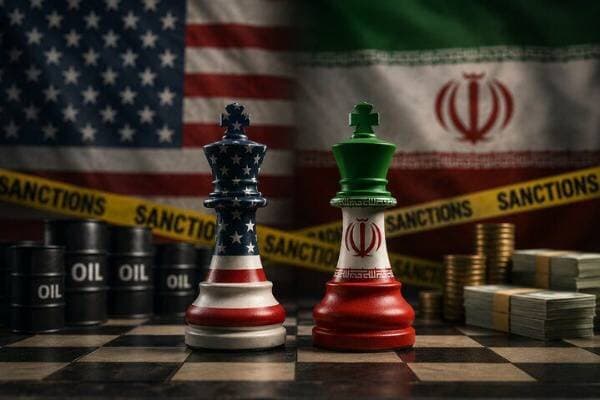
TEHRAN, Nov 13 (OPA) — Major international publications have analyzed the ongoing military confrontation between the United States and Iran, pointing to mounting strategic and political setbacks. According to reports from Western outlets, the military campaign—which began months ago following the abandonment of nuclear negotiations—has failed to secure its intended goals, resulting instead in localized resistance, closed shipping lanes, and rising energy costs worldwide.
In recent assessments, publications including The Guardian highlighted the domestic political toll of the conflict, noting that the intervention contributed to Republican losses in the midterm congressional elections. Citing voter surveys by NBC News and Quinnipiac University, reports indicated that a vast majority of Americans viewed the military action unfavorably, punishing the administration for entering a prolonged conflict.
Simultaneously, Bloomberg's editorial board warned against escalating the military campaign, noting that further force yields diminishing returns given Iran's resilience. The analysis emphasized that continuous naval blockades and nightly munitions expenditures have strained resources, with experts urging a refocus on reviving nuclear diplomacy rather than pursuing endless military pressure.
Financial Times reporters Abigail Hauslohner and Andrew England detailed friction within the U.S. administration, contrasting diplomatic efforts led by Vice President JD Vance with President Donald Trump's public rejection of a new nuclear deal. Regional intermediaries, including Qatar, have intensified diplomatic pushes to de-escalate tensions as military and economic pressures persist across the region.
Subscribe to the Global Briefing
Receive our flagship executive dispatch every morning. Essential geopolitical analysis, financial benchmarks, and breaking world events delivered to your inbox.
Mohammad Karamali
Verified Wire ContributorSenior correspondent covering geopolitics, regional developments, and strategic international affairs for OPA News (Optimum Public Affairs).
Related Stories & Follow-ups
Editorial Wire

Reader Discussion
Leave a Comment
0 Comments
Owner
Editorial Oversight & Machine-Assisted Reporting
Human-in-the-Loop VerifiedEditorial Oversight & Machine-Assisted Reporting: This dispatch was synthesized and localized via OPA automated intelligence under continuous human editorial supervision.
Wire Source
This report was synthesized from Mehr News under journalistic fair use.