
China-Backed Hackers Suspected in Ongoing Cyberattack on European Commission Networks
Key Takeaways
- European Commission IT systems targeted in an ongoing cyberattack detected on October 22.
- Internal sources use the codename Panda, pointing to suspected China-backed actors.
- Attackers utilized ARTEX, an AI-driven tool linked to prior global espionage campaigns.
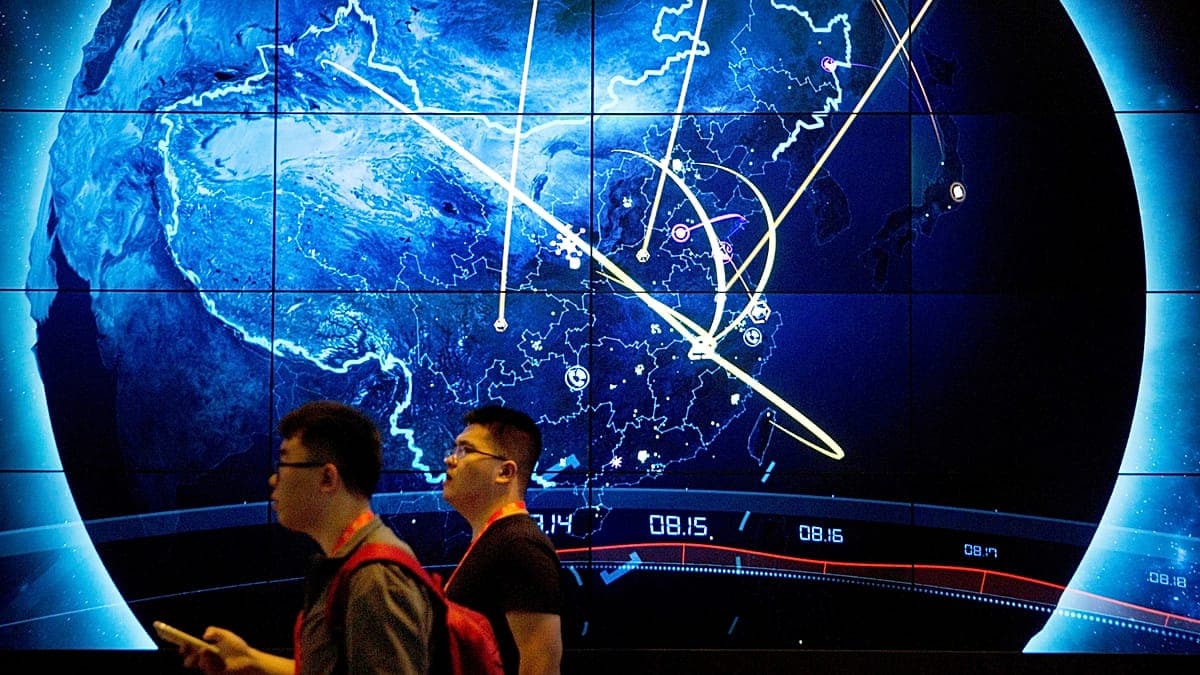
OPA WIRE, Nov 23 (OPA) — The European Commission suspects that a large-scale cyberattack, still spreading through its IT systems, is the work of a China-backed network of threat actors, according to two sources with knowledge of the matter. Internal documents and sources indicate that "Panda" is the codename circulating inside the Commission for the suspected perpetrators. In the cybersecurity community, the animal name is used to loosely tie threat actors to their state sponsors, in this case China.
On October 22, the Commission's IT department detected a malicious actor in its internal networks. A month after the attack began, the EU executive has yet to fully contain the breach and was forced to take the EU Academy website offline on Saturday. The EU Academy is an online platform offering professional development and specialised learning to young people. The Commission has confirmed a leak of names and email addresses and is warning users of possible follow-ups from the attacker, such as phishing campaigns based on their personal data.
Suspicion of a link to Chinese security services rests on the sophistication of the attack and on the use of ARTEX, a Chinese-developed cybersecurity tool that uses AI to detect vulnerabilities that hackers can then exploit. Leading cybersecurity firms like Microsoft and CrowdStrike have attributed to the China-linked groups Storm-0940 and Panda Vapor attacks using ARTEX for AI-driven global espionage campaigns targeting hundreds of organisations globally. According to the current threat assessment, the China-linked actor was not targeting specific systems or individuals, but wanted to test more broadly how far it could compromise the Commission's IT networks.
The Commission has been hit by two other cyberattacks this year: one on the cloud infrastructure hosting its Europa.eu website and one on its mobile infrastructure in January. Both are also deemed to stem from China's cyber threat landscape, but from different groups, and neither was ever formally attributed. The Chinese government has consistently denied sponsoring, directing or supporting hacking groups accused of conducting cyberattacks on foreign governments and institutions. Meanwhile, staff trade unions have criticized management for keeping civil servants uninformed, while officials defended the secrecy as a necessary measure to avoid tipping off the intruders.
Subscribe to the Global Briefing
Receive our flagship executive dispatch every morning. Essential geopolitical analysis, financial benchmarks, and breaking world events delivered to your inbox.
Mohammad Karamali
Verified Wire ContributorSenior correspondent covering geopolitics, regional developments, and strategic international affairs for OPA News (Optimum Public Affairs).
Related Stories & Follow-ups
Editorial Wire


Reader Discussion
Leave a Comment
0 Comments
Owner
Editorial Oversight & Machine-Assisted Reporting
Human-in-the-Loop VerifiedEditorial Oversight & Machine-Assisted Reporting: This dispatch was synthesized and localized via OPA automated intelligence under continuous human editorial supervision.
Wire Source
This report was synthesized from Euro News under journalistic fair use.